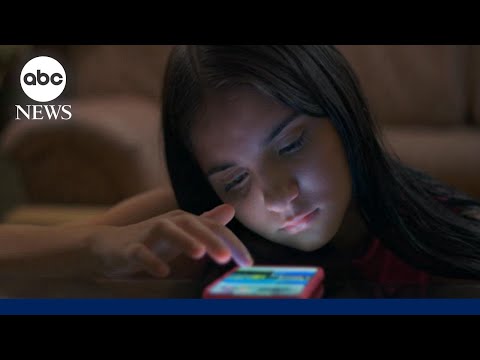
Okay, so let’s chat about something we probably all notice but don’t really talk about: how media shapes how we think about mental health. It’s everywhere, right? Social media, TV shows, news articles.
You scroll through your feed and suddenly you’re hit with a million different messages about what mental health “should” look like. Some are positive, but a lot can be totally confusing or even damaging.
Take a second to think about it. You see influencers sharing their therapy journeys or celebs opening up about anxiety and depression. It feels real, but is it all that simple?
And then there’s the dark side—those unrealistic portrayals that can make you feel like you’re not measuring up at all. It’s wild to think how what we see can really impact our own well-being, isn’t it? Let’s dig into this!
The Impact of Social Media on Mental Health and Wellbeing: What You Need to Know
Social media is like that double-edged sword we all talk about. It’s connecting us in ways that weren’t possible before, but it’s also causing some serious mental health hiccups. Here’s the thing: what you see online can totally mess with how you feel about yourself and your life.
First off, let’s talk about comparison. You scroll through your feed and it’s all perfect selfies, amazing vacations, and fabulous lifestyles. And then there’s you, sitting in your sweatpants with a half-eaten bag of chips. It’s easy to start thinking, “Why don’t I have that?” or “What’s wrong with me?” This constant comparison can lead to feelings of inadequacy and low self-esteem.
Then there’s the issue of validation. Likes and shares can become a sort of currency for self-worth. If you post something and it doesn’t get the attention you expected, it can feel like a punch in the gut. This need for validation can really ramp up anxiety—especially among younger folks who are still figuring themselves out.
- Cyberbullying is another huge concern.
- It happens more than we’d like to admit.
- Being targeted online can lead to depression and anxiety.
Take Sarah’s story, for instance. She was a high schooler who loved art but got bullied online for her drawings. Over time, she started feeling isolated and anxious about expressing herself. Her confidence took a nosedive just because some strangers decided to be mean behind their screens.
Another thing to consider is how social media influences our perception of relationships. Sure, it can help us stay connected with friends and family. But it can also create this illusion that everyone else lives an exciting life while yours feels mundane in comparison.
The fear of missing out (FOMO) hits hard here too! You might see friends hanging out without you or going on cool trips while you’re stuck at home. This fear keeps you glued to your phone and intensifies feelings of loneliness and anxiety—it’s like being trapped in a loop where you can’t escape those thoughts.
But here’s the kicker: social media isn’t all bad! Seriously! It can provide support networks for people struggling with mental health issues or those feeling alone in their experiences. Online communities offer a space where folks share their stories and find encouragement.
To sum up the impact:
- Comparison culture: Leads to low self-esteem.
- Validation seeking: Can increase anxiety when posts don’t get enough likes.
- Cyberbullying: Affects mental well-being significantly.
- FOMO: Heightens feelings of loneliness and isolation.
Finding balance is key here! Taking breaks from social media or curating your feed so it’s positive can work wonders for mental health. Remember: it’s okay not to engage every moment of every day online; real-life connections matter too!
Exploring Media Representation: The Impact of Mental Health and Wellbeing Portrayals on Society
Media plays a huge role in shaping how we think about mental health, for better or worse. When you scroll through social media or binge-watch a series, the way mental health issues are shown can totally influence public perceptions.
Positive portrayals can help normalize conversations around mental health. Think of shows that show characters going to therapy or discussing their struggles openly. This makes it easier for people to realize they’re not alone. It’s like when you hear someone talk about anxiety in a movie, and suddenly you feel more comfortable admitting your own experiences.
On the flip side, negative representations can really do some damage. Sometimes mental illness is linked with violence or portrayed as something that makes people completely “crazy.” Ever seen a character who’s supposedly mentally ill become an antagonist? That kinda stuff sticks with viewers and can lead to misunderstandings about real-life mental health issues.
The media also has this knack for showing only extreme cases, which can lead us to believe all mental health conditions look the same. If a person’s experience doesn’t match what they see on screen, they may think their feelings aren’t valid. Like, when was the last time you saw someone dealing with mild depression in a relatable way? It’s often overshadowed by those dramatic storylines.
Another big part of this is how social media platforms portray wellness trends. Scrolling through Instagram might give you a slew of posts on self-care routines or mindfulness practices, but it also can create unrealistic expectations—like that perfect yoga pose at dawn alongside an aesthetically pleasing smoothie bowl. When reality doesn’t match those images, it can lead to feelings of inadequacy.
Media representation matters because it shapes stigma. If we keep seeing negative stereotypes, that stigma sticks around longer than we’d like it to. People might hesitate to seek help if they worry about being judged based on what they’ve seen in films or online.
There’s also something to be said for the power of celebrities. When public figures share their mental health journeys, it brings visibility to these issues. That openness has led many folks to reach out for help themselves—like when a famous musician talks about battling depression; suddenly those conversations seem less daunting.
In summary, the way mental health is portrayed in media is super influential. It dictates whether folks feel comfortable discussing their challenges or seeking help when they need it most. As audiences become more aware of these portrayals, there’s hope that we’ll move towards more accurate and compassionate depictions of mental health on screen—and maybe influence real-world perceptions for the better!
Understanding Media’s Impact on Health Perceptions: A Deep Dive into Psychology
Understanding how media shapes our views on health and mental well-being is like peeling an onion—you discover layer after layer of influence. Seriously, think about it. The things you see online, on TV, or in magazines can totally shift how you perceive yourself and your mental health. It’s wild!
First off, media plays a massive role in shaping perceptions. Ever come across an article showcasing someone who lost a ton of weight using a trendy diet? You might start questioning your own body, feeling pressured to look a certain way. That’s exactly what happens when media focuses on idealized images—consider that Instagram model with the perfect skin or the latest influencer promoting mental wellness. These portrayals create unrealistic standards that can mess with your self-esteem and overall mental state.
Now let’s talk about the impact of news coverage. When outlets report on mental health issues, they often highlight extreme cases or sensational stories. For instance, if you hear about a tragic incident involving mental illness, it might lead you to feel afraid or suspicious about anyone showing signs of distress. This type of reporting can reinforce stigma instead of promoting understanding. Media could do better by focusing on recovery stories or normalizing therapy—showing that seeking help isn’t a sign of weakness but rather strength.
Then there’s social media’s double-edged sword. On one hand, platforms like Twitter and Facebook can provide valuable support networks for those struggling with their mental health. You might find communities where people share their stories and offer each other encouragement—that’s pretty powerful! But on the flip side, scrolling through endless posts about others’ seemingly perfect lives can seriously distort your view of reality. You follow me? It creates this compare-and-despair mentality that we all need to watch out for.
Also worth mentioning is advertising. Ever noticed how commercials for antidepressants are everywhere? They tend to create this idea that if you’re feeling down, all you need is a pill to fix everything. While medication can be beneficial for some folks, it also oversimplifies complex issues—like anxiety or depression—which are typically not solved by just popping a few pills. It’s crucial we remember the importance of therapy and holistic approaches alongside medication.
And let’s face it—the portrayal of mental illness in films and shows often leans toward dramatization. Characters might be depicted as violent or unpredictable when struggling with conditions like bipolar disorder or schizophrenia. Such representations can deepen misunderstandings and fear around these illnesses instead of fostering empathy.
The big takeaway here is that media has immense power over our perceptions of health and wellness—both positive and negative. It shapes our beliefs about what is normal, what’s acceptable behavior, and even how we view ourselves in relation to others. So next time you’re consuming media—whether it’s through articles or social networking—just take a moment to reflect on how it makes you feel about yourself and others.
In summary:
- Media shapes perceptions: Influences self-image through idealized portrayals.
- News coverage impacts understanding: Often reinforces stigma around mental illness.
- Social media has pros & cons: Can provide support but also invites comparison.
- Advertising oversimplifies issues: Creates unrealistic solutions for complex problems.
- Dramatization in entertainment: May lead to misconceptions about mental illness.
So yeah, awareness is key! By being mindful of what we consume, we can build healthier perspectives both for ourselves and those around us.
You know, the way media portrays mental health can really shape how we see ourselves and others, right? I mean, just think back to those times when you were scrolling through social media and saw someone posting about their struggles. It can feel like a mix of inspiration and pressure. On one hand, it’s great that people are opening up about what they’re going through, but on the other hand, it can make you question your own experiences.
Like, I remember a friend who felt totally alone in her anxiety until she stumbled upon a TikTok video where someone shared their own story. It clicked for her—she wasn’t alone after all! But then there was another part of it; she started comparing herself to others who seemed to be handling their issues so much better. It’s like a double-edged sword; while sharing those stories is important, the comparisons can sometimes lead to feelings of inadequacy.
And then there’s the whole glamorization of mental health struggles that we see in movies or even reality shows. It sometimes paints a picture that makes people think it’s all dramatic highs and lows instead of showing the everyday grind most folks deal with when seeking help or working through stuff. That narrative can be super skewed; I’d say it leaves some people feeling hopeless or even ashamed if they’re not having those intense moments.
But things are shifting slowly! I’ve noticed more conversations around mental wellness in ads and public campaigns, which is refreshing. Media has this wild power to normalize therapy or self-care practices—like when you see influencers chatting about popping into therapy sessions or taking mental health days. It can make a world of difference for someone on the fence about reaching out for help.
So yeah, while media plays a huge role in shaping our perceptions about mental health—sometimes good and sometimes bad—it’s ultimately up to us to sift through those messages and figure out what works best for our own wellbeing.