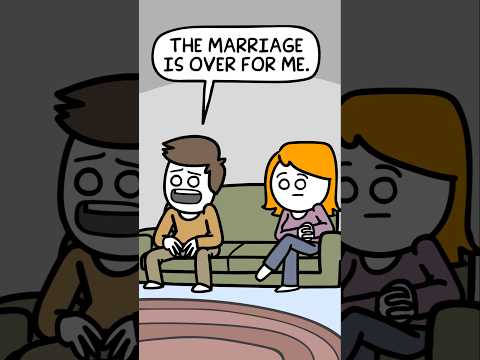
So, let’s chat about something super relatable—couples counseling. You know, that moment when things get a little rocky in a relationship? It happens to the best of us.
If you’re feeling stuck or just want to improve your connection, there’s help out there. And guess what? Medicaid can cover some of it! Pretty cool, huh?
Finding the right counseling services doesn’t have to be a headache. Seriously! There are options in your area tailored to fit your needs and budget.
So, let’s take a closer look at what Medicaid offers for couples counseling. Trust me, it could be just the thing you need to get back on track together.
Understanding Medicaid Coverage for Counseling Sessions: What You Need to Know
So, you’re looking to get the lowdown on Medicaid coverage for counseling sessions? Well, let’s break it down. There’s a lot to cover, but I’ll keep it straightforward.
What is Medicaid?
Medicaid is a state and federal program that provides health coverage for people with limited income. This means it can help cover the costs of various medical services, including mental health care. Basically, if you qualify based on your income and certain other criteria, you might be able to access counseling without awful out-of-pocket costs.
Does Medicaid Cover Counseling?
Yes! Most states offer some level of counseling services under Medicaid. This includes both individual therapy and couples counseling. The catch? Coverage can vary a lot by state, so check what your specific state offers.
Couples Counseling Services
If you’re interested in couples counseling specifically, know that it’s typically covered if it’s deemed medically necessary. You might need a referral from a primary care physician or another mental health professional to get this covered. It’s always good to ask about this upfront.
- Medically Necessary: This means that your counselor needs to determine that therapy will help address specific emotional or psychological problems.
- Provider Requirements: Make sure your therapist or counselor is enrolled with Medicaid in your state. Not all therapists accept Medicaid.
- No Limit on Sessions: There may not be a strict limit on how many sessions you can have, but coverage could depend on how often the therapist thinks it’s needed.
Let me tell you about my friend Sarah. She was going through some tough times with her partner and wanted help from a counselor who accepted Medicaid. She wasn’t sure if they would cover couples therapy since there can be lots of confusion around what’s included. But after talking to her provider and getting guidance from her primary doctor, she found someone great who took her insurance! They were able to work through some tricky issues together thanks to the coverage.
Navigating the Process
To get started with using your Medicaid benefits for counseling:
1. Check Eligibility: Make sure you’re eligible for Medicaid.
2. Find Providers: Look for therapists or counselors who accept Medicaid in your area.
3. Inquire About Coverage: Call ahead and ask about whether they take new patients under Medicaid.
4. Create a Plan: Talk with the therapist about your needs right from the beginning.
The Bottom Line
Accessing couples counseling through Medicaid can definitely be possible if you know what to look for—a good agenda will take some time, but once you’re in the loop, it can make all the difference in navigating relationship hurdles together.
So go ahead; take those steps! It might just unlock better communication and understanding between you and your partner!
Exploring Free Couples Counseling Options: A Guide to Strengthening Your Relationship
Couples counseling can be a game changer when it comes to strengthening your relationship. If you’re looking for ways to improve your connection with your partner, you might be wondering about free options or resources available through Medicaid. Let’s break it down.
First off, pretty much every state offers some form of couples counseling services through Medicaid. These services can help you tackle various issues, from communication problems to emotional distance. The best part? You usually won’t have to pay out of pocket for these sessions, provided you meet certain eligibility requirements.
One thing to keep in mind is that each state has its own rules and providers that accept Medicaid. So, it’s important to do a little digging in your area. Here are a few steps to get started:
- Research local clinics: Many community health centers or nonprofits offer counseling services, often at no cost. Check if they accept Medicaid.
- Contact your Medicaid provider: They can guide you on which specific mental health services are covered and how many sessions you’re entitled to.
- Look for telehealth options: Some providers might offer virtual therapy sessions, which could be more convenient for busy schedules.
- Explore sliding scale fees: Even if you’re not eligible for full coverage through Medicaid, some therapists adjust their fees based on income.
If you or your partner feel hesitant about starting counseling, I get that. It’s common to have doubts—even with the benefit of free resources. For example, Sarah and Mike were really struggling; communication was just off the charts. They felt like they were talking past each other all the time. When they finally decided to give couples counseling a shot through a local clinic accepting Medicaid, they found that having a neutral third party helped clear up those misunderstandings.
Counseling typically involves discussing relationship dynamics, setting goals together, and learning new skills to enhance communication and intimacy—basically arming yourselves with tools you’ll need along the way.
In terms of duration, most couples start seeing improvements after a handful of sessions but often continue as needed. Just remember: there’s no rush! Healing takes time and patience.
So there you go! If finances have been holding you back from seeking help together as a couple—whether it’s communication breakdowns or just wanting to reconnect—remember there’s support out there waiting for you both. Start small; every step counts towards a healthier relationship!
Understanding the 2-Year Rule for Therapists: Key Insights for Mental Health Practitioners
First off, let’s talk about what the “2-Year Rule” actually means in the context of therapy. Basically, this rule refers to a guideline that many therapists follow regarding how long they should work with a couple when providing counseling services. The big idea here is to ensure that both partners in a relationship have time to process their emotions and make meaningful changes.
So, why does this matter? Well, when you think about couples counseling, it’s often about navigating complex feelings and learning how to communicate better. Sticking together for at least two years gives therapists enough time to dig deep into the issues that couples face. Things like trust issues, communication barriers, or even past traumas can take time to untangle. It’s not just about band-aid solutions; it’s about real growth.
Now, let’s get into some key insights:
- Consistency is Key: Regular sessions help build trust between the therapist and the couple. Over two years, relationships can change drastically, and having that consistent support can guide clients through it.
- Monitoring Progress: A longer timeframe allows couples to see improvements over time and recognize patterns in their behavior. You may notice that small adjustments lead to significant changes in how partners interact.
- Addressing Deep Issues: Sometimes, it takes a while for people to feel comfortable sharing their most vulnerable thoughts and feelings. With two years of therapy, clients might be more willing to uncover deeper issues.
- Facilitating Growth: Relationships evolve! Couples can continue developing new techniques for communication or conflict resolution as they progress through therapy together.
Here’s a relatable example: Imagine a couple who comes in due to constant arguments over finances. Initially, they might focus on surface-level solutions—like budgeting or dividing bills more evenly. Over time, though—let’s say after six months—they may start exploring deeper feelings about money tied to childhood experiences or financial security fears.
It’s also important for practitioners to keep in mind that not every couple will need exactly two years—in some cases shorter engagements might suffice depending on individual circumstances. That said, if you’re working with Medicaid couples counseling services in your area, understanding these guidelines helps ensure optimal care.
In practicing this approach, therapists need a good balance of patience and commitment while keeping an eye on progress throughout those two years—or however long it takes! By focusing on both partners’ needs individually and as a unit, mental health practitioners can create lasting change.
The thing is—you gotta pay attention! Check-in regularly with your clients about their feelings toward therapy; it helps refine goals and expectations as you go along.
So there you go—a simple rundown on the 2-Year Rule for therapists working with couples. It’s all about fostering growth through consistent support!
Finding the right support when you’re navigating relationship challenges can feel overwhelming, especially if you’re looking for couples counseling. If you happen to have Medicaid, it turns out you might have some resources available that could give you a hand.
You know, I once had a friend who was really struggling in her relationship. She felt isolated and didn’t know where to turn. After searching around, she found a local counseling service that accepted Medicaid. Honestly, it changed everything for her. They connected her with a therapist who understood the unique dynamics they were facing. It wasn’t an instant fix, but having someone to talk to helped lighten that heavy load.
When it comes to couples therapy covered by Medicaid, it’s essential to know what’s out there in your area. Many people don’t realize that there are therapists specifically trained in relationship issues who accept Medicaid. Some community health centers offer sliding scale fees or even free counseling services too! So if you’re curious about the options available, it doesn’t hurt to do some digging.
But here’s the tricky part: finding the right fit can take time. You might not find your perfect therapist on the first try—and that’s completely okay! Maybe one therapist doesn’t vibe with you or your partner; it happens. Keep looking until you find someone who clicks.
Another thing worth mentioning is communication. If both partners are open about seeking help and willing to be honest during sessions, it can lead to some eye-opening moments—like realizing patterns of behavior or misunderstandings you’ve been repeating for ages without noticing.
So if you’re considering couples counseling and have Medicaid, just remember: there’s help out there, and you’re not alone in this journey. Taking that first step can feel daunting at times, but just like my friend discovered—it could lead to healing and deeper connection than you thought possible!