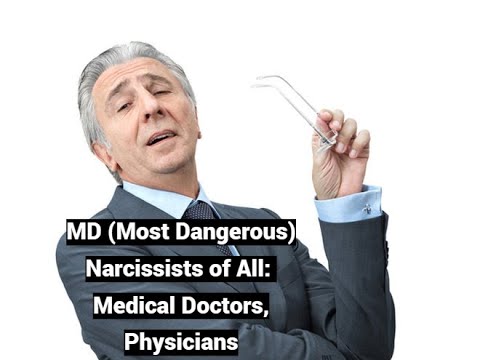
You know that feeling when you’re sitting in a doctor’s office and you just get this vibe? Like, maybe they care, but also maybe they don’t really see you as a person?
Well, that’s what we’re diving into today. It’s called medical narcissism. Sounds heavy, right? But stick with me.
It’s not just about doctors thinking they’re above everyone else. There’s more to it—like where that mindset comes from and how it affects patient care.
Honestly, figuring this out can really change how we look at our healthcare experiences. So grab a coffee or whatever you like, and let’s break this down together!
Understanding Medical Narcissism: Key Traits and Impact on Patient Care
Medical narcissism is a term that gets tossed around a bit, but what does it really mean? Well, basically, it’s when healthcare professionals—like doctors or nurses—exhibit certain narcissistic traits that can really mess with patient care. It’s not just about being self-centered; it impacts how they interact with patients and make decisions about treatment.
Now, some key traits of medical narcissism include:
- Overconfidence: This is classic. They might think their way is the only way. It’s like when a friend insists on putting ketchup on everything without considering your taste.
- Lack of empathy: Imagine being in the exam room and your doctor doesn’t really listen to your concerns. You’re sharing your fears about a diagnosis, and all they can do is talk about their credentials.
- Dismissiveness: Patients’ needs or symptoms might get brushed aside as if they’re not worth considering. It’s like trying to tell someone how much it hurts to stub your toe, but they just shrug and say it’s no big deal.
- Entitlement: Some may feel they’re above everyone else in the system. You know that feeling when you meet someone who thinks they’re too special to follow basic rules? Yeah, it can be like that.
So why does this matter? Well, when healthcare providers prioritize their own egos over patients’ needs, the impact can be serious.
For one, patients may feel invalidated. When you finally muster up the courage to seek help, you expect compassion and understanding. If a doc brushes off your concerns or doesn’t listen, you’re left feeling alone and even questioning your own symptoms.
Also, deteriorating communication becomes an issue. Doctors who stick to their own viewpoint might miss important details from patients. That one piece of info could actually change the entire treatment plan! Seriously—you wouldn’t want to miss something crucial because someone wasn’t paying attention.
Let’s consider an emotional story for a moment: Picture someone named Maria. She’s been battling chronic pain for years. When she finally sees a new doctor hoping for answers, she’s met with arrogance instead of support. The doctor barely glances at her chart before declaring there’s nothing wrong without even listening to her symptoms in detail! Maria leaves feeling defeated and frustrated—like her suffering doesn’t matter at all.
These experiences highlight how medical narcissism can lead to a breakdown in trust. Trust is so essential in healthcare; if patients don’t feel heard or respected by their providers, they’re less likely to return for follow-ups or even disclose important information later on.
There are ties between medical education and these traits too. To become doctors or nurses often requires immense pressure and long hours which can nurture feelings of superiority or entitlement over time. It’s like climbing an exhausting mountain; once you reach the top (aka medical school), some might start acting as if they’re untouchable.
So here’s the thing: We need more awareness around medical narcissism within healthcare systems because it definitely affects patient outcomes! By addressing these behaviors early on—like incorporating empathy training into med school curricula—we can start reshaping what future doctors look like.
Taking it all together: Understanding medical narcissism means recognizing those key traits that put patients at risk while also keeping our eyes open for constructive changes in healthcare education and practice moving forward!
Comprehensive Case Study on Narcissistic Personality Disorder: Insights and Analysis (PDF Download)
Narcissistic Personality Disorder (NPD) can be a tricky topic, especially when you consider its roots, impacts, and how it shows up in various settings like healthcare. So let’s break it down a bit.
First off, **what is NPD?** It’s basically a mental health condition where someone has an inflated sense of their own importance. They often crave admiration and lack empathy for others. You know that friend who always needs to be the center of attention? Well, imagine that on a larger scale, where it interferes with relationships and daily life.
When looking at **the psychological roots of NPD**, it’s important to think about childhood experiences. Many theories suggest that people with narcissistic traits might have had either excessively critical parents or ones who overvalued them. It’s like they receive mixed messages growing up—too much praise can lead to entitlement, but constant criticism can foster insecurity. So, they develop this façade of superiority as protection against feelings of inadequacy.
Now, let’s connect this to **healthcare**, specifically where medical narcissism might come into play. Imagine a doctor who thinks they’re above reproach—this isn’t just about being confident; it’s about lacking the ability to understand how their actions affect patients. This type of mindset can lead to dismissive behavior towards patients’ concerns or even unethical practices because they don’t see others as equals.
Here are some key points related to NPD in healthcare:
- Impact on Patient Care: Individuals with NPD in medical roles often prioritize their needs over those of patients.
- Lack of Empathy: This may result in not listening effectively or minimizing patients’ symptoms.
- Professional Relationships: Their behavior can create tense dynamics with colleagues and staff.
Let me share a quick story that illustrates this point. A nurse I knew once recounted an experience with a physician who would brush off patient complaints without even looking at their charts properly. The doctor believed so fully in their own expertise that they missed critical signs leading to poor outcomes for patients. You feel for the nurse caught up in all this—wanting to advocate for patients but stymied by someone whose inflated view gets in the way.
So yeah, when we look at medical narcissism through the lens of NPD, we see how deeply personal histories shape professional conduct. It’s not just an isolated issue; it affects everything from patient outcomes to workplace morale.
In closing, if you want more detailed insights or analyses around these themes, you might consider checking out comprehensive case studies available online—there are some good PDFs floating around out there that dissect these issues further! It’s all about understanding how personality traits impact not just individuals but entire systems like healthcare too.
Understanding Narcissistic Behavior: Signs, Causes, and Coping Strategies
Understanding narcissistic behavior can be pretty eye-opening, especially when it pops up in unexpected places like healthcare. When we think of narcissism, many of us picture someone who’s super self-absorbed or arrogant. But it’s more complex than that. So, let’s break it down a bit.
Signs of Narcissistic Behavior
Narcissistic behavior isn’t just about wanting attention. Here are some common signs you might notice:
Maybe you’ve met someone who always turns the conversation back to themselves, right? It feels exhausting real quick!
Causes of Narcissism
So what causes this kind of behavior? It’s a mix of factors:
Think about those kids who grew up always being told they were the best at everything. That praise might give them a skewed sense of reality.
Narcissism in Healthcare
Now, let’s talk about where this shows up in healthcare. When we say “medical narcissism,” it often refers to healthcare professionals who exhibit these traits. It can affect their relationships with patients and colleagues alike.
Imagine going to see a doctor who barely listens while you talk about your symptoms because they’re too busy focusing on their own accomplishments. Yeah, not cool!
Coping Strategies
If you find yourself dealing with someone who shows these behaviors—whether in healthcare or elsewhere—here are some strategies you might consider:
It’s tough navigating relationships with these kinds of personalities. You know that feeling when you’re walking on eggshells? Yeah, that’s real.
By understanding the signs and causes behind narcissistic behavior—and having some strategies lined up—you can feel more equipped to handle those tricky situations!
So, medical narcissism, huh? It’s a pretty intense topic. When you think about it, the healthcare system is full of people who are supposed to help us heal—doctors, nurses, therapists. But sometimes, some of these folks seem more focused on their status or how they’re perceived than actually caring for patients. Like, I once had this doctor who barely looked up from his notes while I was explaining my symptoms. You know that feeling when you’re trying to connect with someone and they just brush you off? Yeah, not fun.
But what’s behind all that? Well, a lot of it can be rooted in psychology. For starters, let’s not forget that many medical professionals put in years of schooling. So much pressure! They might develop a sense of superiority because they’ve got all this knowledge and training. It’s like they think they’re untouchable and above everyone else.
Then there’s the whole “hero” complex. Some doctors genuinely want to save the world—seriously! But when that desire is mixed with insecurity, it can lead to self-importance instead of empathy. Instead of seeing patients as individuals with feelings and stories, they might just see them as cases or numbers on a chart.
Also, consider the environment they’re working in. Hospitals and clinics can be super stressful places! Long hours, high stakes—it’s no wonder burnout happens. And when people are stressed out all the time? Well, it might make it easier to default to behaviors like being dismissive or insensitive instead of being warm and compassionate.
What’s tough is how this impacts patients too. When someone feels unheard or disrespected by their healthcare provider, it can make health issues even worse—not just physically but emotionally as well. Feelings of anxiety or frustration can bubble up and complicate what’s already a challenging situation.
So yeah, understanding where medical narcissism comes from opens up an important conversation about patient care and empathy in healthcare settings. It’s about finding that balance between skill and genuine human connection—a reminder for both doctors and patients alike that we’re all just trying to navigate life together.