Alright, so let’s talk about something we all kinda dread: public speaking. You know that rush of panic when you realize you’re about to speak in front of a crowd? It’s like your heart’s doing a double backflip, and your brain’s just… blank.
Seriously, it can be super overwhelming. But here’s the thing—you’re definitely not alone in feeling this way. Lots of people get anxious at the thought of speaking up.
Now, for some folks, anxiety can be so intense that it gets in the way. That’s where medications come into play. They might help calm those nerves, letting you brave that podium without feeling like you’re about to pass out!
So, let’s dive into how these meds work and what options are out there. You might just find something that helps you rock that speech!
Discover the Best Anxiety Reducers to Conquer Public Speaking Fear
Public speaking can be a real nail-biter for a lot of folks. You know that feeling when your heart starts racing, and your palms get all sweaty? Yeah, that’s anxiety kicking in. Lots of people struggle with this fear, and it’s totally okay to seek help. Let’s break down some ways to manage that anxiety, particularly focusing on medications and other techniques you might consider.
First off, **medications** can be one way to help ease those nerves. There are a few types commonly used:
- Benzodiazepines – These can be useful for short-term relief. They work pretty quickly to calm you down. Some examples include Xanax or Ativan. But watch out—they can be addictive if used too often!
- SSRIs (Selective Serotonin Reuptake Inhibitors) – These are typically used for long-term anxiety management. You’ve probably heard of Prozac or Zoloft; they gradually help balance out those anxious feelings over time.
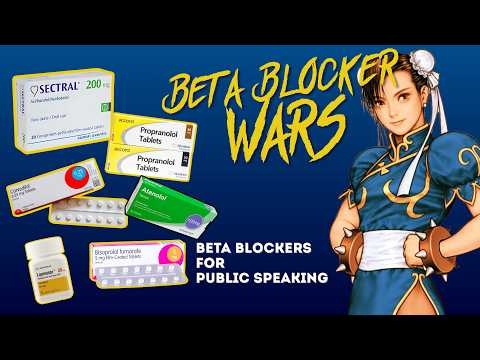
- Beta-blockers – These aren’t exactly «anxiety meds,» but they can help manage the physical symptoms of anxiety like a racing heartbeat or shaky hands. Meds like propranolol might be useful before big speaking events.
Now, let’s sprinkle in some practical tips beyond medication! Seriously, finding what works best for you is key.
Practice is huge! The more you rehearse your speech—like in front of a mirror or with friends—the more comfortable you’ll feel when it really counts. It’s kind of like training for a big game.
Another cool trick is breathing exercises. You know how sometimes when you’re stressed, your breathing gets all shallow? Taking deep breaths can seriously chill you out. Inhale through your nose for four counts, hold it for four counts, then exhale through your mouth for six counts. Rinse and repeat!
Visualization techniques also do wonders! Picture yourself nailing that speech with the audience loving every second—like you’re the star of the show! This positive imagery helps boost confidence.
Lastly, remember that it’s perfectly normal to feel anxious about public speaking; even seasoned pros feel those butterflies sometimes! Just think back to moments when you’ve succeeded despite the jitters—a time when everything fell into place even though you were nervous as heck.
So yeah, whether it’s meds or methods like practicing and breathing exercises, there are lots of ways to tackle the fear of public speaking head-on. The important part is finding what makes YOU feel most comfortable when stepping up to that podium!
Exploring the Benefits of Propranolol for Overcoming Public Speaking Anxiety
Public speaking anxiety can feel like a giant monster waiting to pounce when you step up to the podium. Seriously, it’s wild how that kind of fear can grip you. That’s where propranolol comes in. It’s a medication often used for various heart problems but has some interesting effects on anxiety, especially when you’re about to face a crowd.
So, what exactly does propranolol do? Well, it works by blocking the effects of adrenaline in your body. You know that feeling when your heart races and palms sweat before speaking? That’s adrenaline kicking in. By taking propranolol, some of those physical symptoms—like rapid heartbeat and shaking—can be lessened. Imagine stepping up to speak and feeling noticeably calmer, with less of that fight-or-flight response crashing the party.
Here are a few key points about how propranolol might help with public speaking anxiety:
Alright, so maybe you’re wondering about side effects. Sure, every medication has them! Some people experience fatigue or dizziness—but these effects often vary from person to person. It’s important to chat with a doctor who knows your history if you’re considering this route.
I remember chatting with a friend who had massive stage fright before giving presentations at work. She decided to give propranolol a shot for an important meeting and found herself surprisingly calm while talking through her slides! Instead of focusing on her sweaty palms, she was able to engage with her audience and even cracked a couple of jokes.
But here’s the thing:while propranolol can help ease public speaking anxiety for some folks, it’s not a cure-all solution. It can be part of a larger toolbox for managing anxiety, which might include therapy or other coping strategies aimed at addressing the root causes of fear.
So yeah, propranolol could be an option worth exploring if public speaking feels like climbing Mount Everest every time! Just remember to have that conversation with your healthcare provider first—they’ll help you decide what’s best for your unique situation.
Top 10 Anxiety Medications: Effective Solutions for Managing Anxiety Disorders
Sure, tackling anxiety, especially when it comes to something like public speaking, can feel overwhelming. You may have heard about various medications that can help manage those anxious feelings. Let’s break this down a bit and talk about some common types of medications used to alleviate anxiety.
1. SSRIs (Selective Serotonin Reuptake Inhibitors)
These are often the first line of treatment for anxiety disorders. They work by increasing serotonin levels in the brain, which can help improve mood and lessen anxiety. Common SSRIs include **Escitalopram** (Lexapro) and **Sertraline** (Zoloft). A friend of mine took Lexapro before a big presentation; he felt less nervous and more in control.
2. SNRIs (Serotonin-Norepinephrine Reuptake Inhibitors)
Similar to SSRIs, SNRIs help balance serotonin but also affect norepinephrine. Medications like **Venlafaxine** (Effexor) can be effective for generalized anxiety disorder and social anxiety disorder. They have worked wonders for some people I know.
3. Benzodiazepines
These are fast-acting medications often prescribed for short-term relief from intense anxiety symptoms. Think **Lorazepam** (Ativan) or **Clonazepam** (Klonopin). They can help immediately but aren’t recommended for long-term use because they can be addictive.
4. Beta Blockers
Even though these are primarily used for heart conditions, they’re pretty helpful in managing physical symptoms of anxiety, like rapid heartbeat or sweating during a speech. Medications such as **Propranolol** are popular choices here.
5. Buspirone
This is different from both SSRIs and benzodiazepines because it doesn’t cause dependence or withdrawal symptoms. It’s usually taken regularly rather than just when you feel anxious.
6. Antidepressants
This category includes both SSRIs and SNRIs but also other types like **Bupropion**(Wellbutrin), which might be prescribed if someone has depression alongside their anxiety.
7. Natural Remedies
Some people prefer natural alternatives like herbal supplements such as Kava or Ashwagandha, which have shown some promise in reducing anxiety symptoms without side effects associated with traditional meds.
8. Gabapentin
Originally developed as an anticonvulsant medication, Gabapentin has actually been found useful for treating certain types of anxiety disorders too—especially when other treatments haven’t worked out so well.
9. Pregabalin
Like Gabapentin, this medication is also used mainly for nerve pain but has been shown to reduce generalized anxiety symptoms effectively.
10. Combination Therapy
Sometimes doctors will prescribe a mix of medications depending on your specific needs and how your body reacts to them—this approach allows them to tailor the treatment just right for you!
Managing anxiety with medications isn’t the only option—therapy can play an essential role too! The key is talking with your doctor about what might work best for you because everyone’s experience with anxiety is a bit different, you know?
Just remember—and this is super important—not every medication works perfectly for everyone! Sometimes it takes a little trial and error before finding what really helps ease those jitters with public speaking or any other anxious moments you might face in life!
Okay, so let’s talk about anxiety, especially when it comes to something like public speaking. You know that feeling when your heart’s racing and your palms are sweaty before stepping up to a microphone? Yeah, it can be seriously nerve-wracking.
I remember this one time in college, I had to give a presentation in front of my whole class. I’d practiced for days, but as soon as I stood there, it was like my brain just hit the pause button. All I could think about was how everyone was staring at me. It felt like my insides were tied up in knots! Anyway, for some folks, that kind of anxiety is a big deal and sometimes just practicing won’t do the trick.
That’s where medications come into play. Some people turn to anti-anxiety meds or beta-blockers before a big speech. These can help you feel more relaxed and take the edge off those jitters. Like, if you’ve got an important presentation or a wedding toast coming up, these options might help keep your mind from spiraling into anxious thoughts. It’s kinda like having a safety net.
But here’s the thing: medication isn’t for everyone. Some people don’t like the idea of taking pills or worry about side effects. And honestly, it can get tricky figuring out what works for you without feeling like a lab rat trying different things out.
Then again, therapy can also be super helpful! Working with someone who knows their stuff can give you tools and techniques that last longer than any pill ever could. It’s often about finding what feels right for you—whether that’s medication or some sort of mental exercise.
In short, managing anxiety around public speaking is personal and unique for each person. So if you decide to go the med route or stick with more holistic methods like deep breathing or visualization techniques—just know you’re not alone in this journey! Speaking in front of people doesn’t have to be painfully stressful; there are ways to navigate through it all!