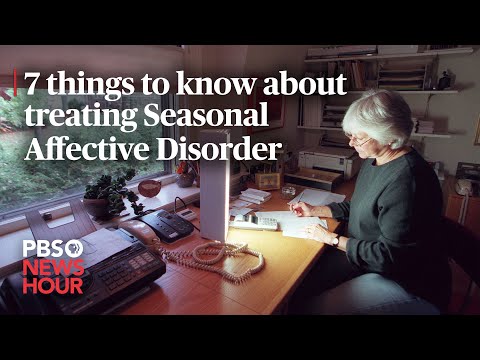
So, let’s chat about something that hits a lot of us when winter rolls around: seasonal depression. You know, that funk you feel when the days get shorter and the sun seems to disappear? Yeah, it can be a real bummer.
You might find yourself feeling more blah than usual—less energy, low motivation, and just not your vibrant self. Seriously, it’s like your favorite playlist went from upbeat jams to sad, slow songs overnight.
But here’s the thing: there are options out there to help you manage those heavy feelings. And I’m not just talking about cozy blankets and hot chocolate—although those do help!
In this chat, we’ll dive into medication options that could make a difference for you. It’s all about finding what works so you can get back to enjoying life—no matter how gray it gets outside. Let’s figure this out together!
Top Antidepressants for Seasonal Depression: Finding the Best Fit for You
Seasonal depression, also known as Seasonal Affective Disorder (SAD), can really knock you off your feet. You know how winter rolls around and suddenly the world seems gloomier? That’s what happens when shorter days and less sunlight mess with your mood. People with SAD may feel more tired, have low energy, or experience difficulty concentrating. Sometimes, people even notice changes in their sleep patterns or appetite. Well, one option to help handle these feelings is medication, like antidepressants.
When it comes to antidepressants for seasonal depression, you’ve got several choices out there. It’s super important to talk with a healthcare provider before deciding on which one might work best for you.
- Selective Serotonin Reuptake Inhibitors (SSRIs): These are pretty common first-line treatments. Options like fluoxetine (Prozac) or sertraline (Zoloft) can help elevate your mood by increasing serotonin levels in the brain. Many folks find them effective.
- Serotonin-Norepinephrine Reuptake Inhibitors (SNRIs): Medications such as venlafaxine (Effexor) and duloxetine (Cymbalta) fall into this category. They boost serotonin but also norepinephrine, which might give you that extra lift in energy during those long winter months.
- Bupropion: This one’s a bit different. It works on dopamine and norepinephrine instead of serotonin. Some people prefer bupropion because it usually has fewer sexual side effects—which can be a win-win situation.
- Psychotherapy combined with medication: Often overlooked but super important! Working with a therapist alongside taking medication can really enhance your overall well-being and tackle underlying issues that might be feeding into that seasonal funk.
You might wonder how fast these medications kick in. Well, they often take a few weeks before you really start to notice a difference—so hang tight! It’s also worth mentioning that while some people find relief quickly from one type of med, others may need to try a few different options until they hit the jackpot.
Here’s something personal: I remember chatting with a friend who felt absolutely miserable every winter without fail. He finally sought help and tried an SSRI after some counseling sessions. Fast forward a few weeks later? He couldn’t believe he was feeling more like himself again just in time for spring!
Understanding what works best for you sometimes involves trial and error, so don’t lose heart if the first medication isn’t perfect right away. Be open about any side effects or concerns with your doctor; they’re there to help find the best fit—whether through changing dosages or trying something different altogether.
While medications can be key players in your treatment plan for seasonal depression, factors like lifestyle changes also matter greatly—think light therapy or regular exercise! But hey, if meds end up being part of your journey back into sunnier moods, it’s good to know there are solid options out there to explore together with your healthcare provider.
To wrap things up gently—seasonal depression is tough but manageable! You’ve got support available; don’t hesitate to reach out for help when you need it.
The Gold Standard Treatment for Seasonal Affective Disorder (SAD): Effective Strategies for Relief
Seasonal Affective Disorder, or SAD, can feel like a heavy blanket that just won’t budge when the days get short and gray. You know that feeling, right? The low energy, the mood dips—it’s not fun. The gold standard treatment for SAD usually centers around light therapy, which can help lift those foggy feelings.
Light Therapy is basically using a special lamp to mimic natural sunlight that you’re missing out on during those darker months. It’s a pretty common go-to. You sit in front of this light for about 20-30 minutes each day. Some folks notice improvements in just a few days! The thing is, you gotta use the right kind of light—look for lamps that have at least 10,000 lux and are designed specifically for seasonal depression.
Cognitive Behavioral Therapy (CBT) also plays a big role in managing SAD. This approach helps you recognize and change negative thought patterns related to your mood swings throughout the season. It’s like having a mental spring cleaning! Therapists usually guide you through ways to cope better when those down moments hit.
Another option people might consider is medication. Antidepressants can be prescribed if symptoms are more severe or don’t improve with light therapy or CBT alone. Selective serotonin reuptake inhibitors (SSRIs) are often the first line of defense here. They help balance out those chemicals in your brain that affect your mood—kind of like turning up the volume on happiness!
And remember about lifestyle changes. Staying active can seriously help combat those winter blues. Regular exercise releases endorphins, which are natural mood lifters. So whether it’s hitting the gym or just going for walks in whatever sunlight you can find, movement matters!
Last but definitely not least, consider building a support network. Talk to friends or family who get what you’re going through. Sometimes just sharing how you’re feeling can lift some of that weight off your shoulders.
So yeah, if you’re feeling trapped by SAD this season, remember there are effective strategies out there to help you find some relief. You’re not alone in this; there’s hope and support to make those winter months brighter!
Exploring Alternative Treatments for Seasonal Affective Disorder: Effective Strategies and Solutions
Seasonal Affective Disorder (SAD) can seriously mess with your mood as the seasons change. You know that feeling when winter drags on, and you just can’t shake off the blues? Well, there are some alternative treatments that might help you manage it better. Let’s go through a few of these options.
Light Therapy is one of the more popular treatments for SAD. You basically sit in front of a special light box that mimics sunlight. It sounds simple, but studies show it’s effective for many people. It can help regulate your sleep cycle and boost your mood. You usually use it for about 20 to 30 minutes each morning.
Another option is exercise. Seriously, moving your body can do wonders for your mental health. A simple walk outside or hitting the gym releases those feel-good endorphins. Plus, if you can get some sunlight while you’re at it? Double win! Regular exercise can increase energy levels and improve overall well-being.
Then we have mindfulness and meditation. Can you recall a time when you felt overwhelmed? Taking a moment to breathe deeply or meditate can shift your perspective. It helps reduce stress and anxiety which often tags along with SAD. There are tons of apps out there that make it easy to get started.
A good diet also plays a role in managing this condition. Foods rich in omega-3 fatty acids—think salmon or walnuts—can improve mood. And don’t forget those bright veggies! They’re full of vitamins that support overall brain health.
Some folks find relief with s herbal supplements, like St. John’s Wort or SAMe, but it’s super important to talk to a healthcare provider first before trying them out, okay? Not every remedy works for everyone, and interactions with other medications could happen.
Lastly, connecting with others is key! Humans are social creatures, right? Engaging in community activities or even just reaching out to friends can help combat feelings of isolation that often come with SAD.
So yeah, managing Seasonal Affective Disorder doesn’t have to hinge solely on medication if you’re looking for alternatives. Everyone’s experience is different though; what works for one person might not work for another. The goal is really about finding what helps you feel lighter during those tough months!
So, seasonal depression, or Seasonal Affective Disorder (SAD), can really knock you down when those shorter days roll around. You know how it is: the sunlight dips, the temperatures drop, and suddenly getting out of bed feels like scaling a mountain. I’ve been there too. There was a winter where I just wanted to hibernate, waking up with this heavy blanket of gloom. It’s not just about feeling sad; it can be pretty relentless.
When it comes to medication options for managing SAD, there are a few paths folks can take. Antidepressants, especially SSRIs (Selective Serotonin Reuptake Inhibitors), are often the go-to choice. They help boost serotonin levels in the brain – that happy chemical we all need, right? But here’s the thing: it might take some time to find the right one for you. Like my friend Sam, who tried a couple before landing on one that really turned things around for him.
Then there’s light therapy, which might sound a bit strange but trust me—it’s worth considering! Using a lightbox that mimics natural sunlight can help lift your mood during those dreary months. It’s like giving your brain a gentle reminder of what sunshine feels like without leaving your living room!
Of course, every person’s experience is different. Some might find relief with medication alone, while others may benefit from combining meds with therapy or lifestyle changes—like exercise or spending time outdoors when the sun decides to peek out.
If you’re thinking about medication for seasonal depression—or if you’re on it already—just keep an open dialogue with your doctor about how you’re feeling. And remember, it’s totally okay to seek help! You’re not alone in this chilly battle against winter blues; there are options out there that could really make a difference in how you feel day-to-day.