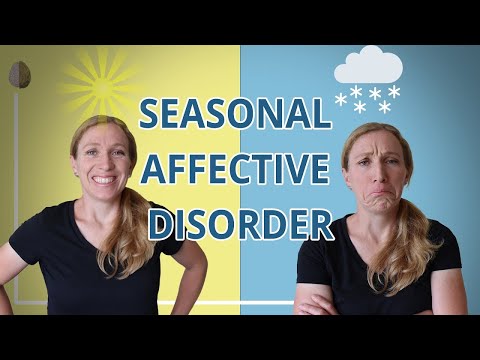
So, let’s talk about something that can really hit hard during those colder months—seasonal depression. You know, that time of year when the days get shorter and the sun seems to disappear? Yeah, it can be a total drag.
You’re not alone if you’ve felt that sense of heaviness creeping in. It’s like waking up and feeling this weight on your chest. Seriously, it’s no fun. But here’s the thing: there are ways to manage it.
Medication and therapy can really help lift that gloom, you know? They’re not magical fixes but they can make a huge difference. I mean, wouldn’t it be great to actually enjoy those cozy winter nights instead of just wishing for spring?
Let’s explore how these options might help you or someone you care about feel a bit more like themselves again.
Effective Treatment Strategies for Seasonal Affective Disorder: Brighten Your Winter Blues
Seasonal Affective Disorder, or SAD for short, can really bring you down when the days get shorter and the weather gets colder. You might feel extra tired, a bit more moody, or just not like your usual self. And it’s totally okay to feel that way! Let’s talk about some effective treatment strategies that can help you brighten up those winter blues.
Light Therapy is one of the most popular options for tackling SAD. Basically, you sit in front of a special light box that mimics natural sunlight. It helps your brain produce more serotonin, which can lift your mood. Using it daily for about 20-30 minutes can make a noticeable difference. Just think of it like getting a dose of sunshine while you sip your morning coffee!
Another effective strategy is talk therapy, especially cognitive behavioral therapy (CBT). This involves working with a therapist who helps you identify negative thought patterns and behaviors that might be keeping you in a funk. It’s kind of like having a personal coach for your mental health! For instance, if you’re thinking «I hate winter,» your therapist might help you reframe that to «Winter is tough, but I can find joy in cozy activities.» Small shifts like this can have a big impact.
Medication is also an option if other treatments aren’t cutting it. Antidepressants are sometimes prescribed and can help regulate mood by affecting brain chemicals. It’s important to chat with a healthcare provider about this because everyone’s situation is different.
You know what else helps? Staying Active! Exercise releases endorphins, which are those little feel-good chemicals in our brains. Even if it’s cold outside, try to find ways to move around indoors: yoga videos at home or even dancing around the living room could give you that boost.
Don’t forget about support groups. Connecting with people who understand what you’re going through can be really comforting. You share experiences and tips on coping with the seasonal changes together, which makes everything feel less lonely.
Finally, keeping up with healthy habits, like eating well and getting enough sleep, plays a crucial role too. Getting good nutrition wasn’t just something your parents made you hear growing up—it’s legit important! Eating plenty of fruits and veggies provides essential vitamins while regular sleep patterns help stabilize your mood.
So during these chilly months, remember there are ways to manage SAD effectively. Don’t hesitate to reach out for support; winter may be here now but brighter days are ahead!
Effective Home Remedies for Managing Seasonal Depression
Seasonal depression, often known as seasonal affective disorder (SAD), can really bring you down when winter rolls around. But there are some home remedies that might help you cope with those low moods. Let’s break it down.
First off, light therapy is a game-changer for many people. Basically, you sit in front of a special light box that mimics sunlight. This exposure can boost your mood by helping your body regulate melatonin and serotonin levels. Just 20 to 30 minutes a day can make a noticeable difference! I remember this friend of mine who got one last year; she said it felt like having sunshine at her desk throughout those dreary winter months.
Another option is exercise. Seriously, moving your body releases endorphins—those feel-good hormones. You don’t have to hit the gym hard; even a brisk walk outside can help clear your mind and lift your spirits. I’ve noticed that after my morning jogs, I feel more energized and less foggy all day long.
Also, consider maintaining a routine. Keeping regular sleep and meal times can help stabilize your mood. It’s like giving yourself a structure to lean on when everything outside feels all gloomy and unpredictable. When I stick to my schedule, those gray days don’t seem so heavy.
On top of that, diet plays a huge role in how we feel mentally and emotionally. Incorporating lots of fruits, veggies, whole grains, and healthy fats into your meals can provide essential nutrients that keep you balanced. Some folks swear by omega-3s found in fish or flaxseed for improving mood too!
Another way to tackle seasonal depression is through social connections. Don’t underestimate the power of chatting with friends or loved ones! Even just video calling someone can create warmth when it feels cold outside. Maybe plan regular meet-ups or join a local group—whatever makes you feel connected!
And let’s not forget about mindfulness and relaxation techniques. Practices like yoga or meditation can really ground you during turbulent emotional times. If you’re new to this stuff, apps or online videos make it super easy to learn the ropes.
Lastly, always remember to reach out if things get too heavy. Sometimes home remedies aren’t enough on their own; talking to a therapist could be really beneficial too. They can guide you through those tougher moments with personalized strategies.
Managing seasonal depression isn’t just about fighting the gloom; it’s also about finding what works for you personally! Everyone’s different, so don’t hesitate to mix and match these ideas until something clicks for you.
Natural Remedies for Seasonal Affective Disorder: Effective Strategies to Boost Your Mood
So, seasonal affective disorder (SAD) can feel like that heavy blanket you can’t quite shake off, especially when the days get shorter and darker. If you’re looking for some natural remedies to help boost your mood during those gloomy months, there are a few strategies that might do the trick. Let’s break it down.
First off, **light therapy** is a biggie. It’s simple: you sit by a special light box that mimics sunlight. The key is to do this for about 20-30 minutes every morning. You’d be surprised how much this can help lift your spirits! It’s like giving your brain a little sunshine boost when the real sun seems to be hiding.
Another one is **getting outside** during daylight hours, even if it’s cloudy. Seriously! Just being outdoors can make a difference in how you feel. So, bundle up and take a walk, or maybe go hiking if you’re feeling adventurous. Fresh air does wonders!
Then there’s **exercise**—good ol’ movement therapy. You don’t have to hit the gym hard; even just a brisk walk or some yoga at home counts. Exercise releases endorphins, which are basically your body’s natural mood lifters. Plus, it gives you that sense of accomplishment.
Also consider **mindfulness and meditation** practices. These techniques help calm your mind and can be super effective at managing stress and anxiety levels that sometimes tag along with SAD. Just five minutes of deep breathing or focusing on the present can work miracles.
Nutrition also plays its part here! Eating foods rich in omega-3 fatty acids—like salmon and walnuts—can improve mood and mental function, too! And don’t forget about colorful fruits and veggies; they provide vital vitamins that keep your body happy.
And hey, connect with loved ones! Social support is very important for mental health during these times. A text or call to a friend can brighten not just their day but yours as well!
But remember: while these strategies are great for lifting your mood naturally, they’re not meant to replace professional help if you need it. If feelings of sadness linger or become overwhelming, talking to someone—a therapist or doctor—might be necessary.
In summary:
- Light therapy: Mimics sunlight for mood boost.
- Get outside: Enjoy daylight whenever possible.
- Exercise: Simple movements lift endorphins.
- Mindfulness: Calm your mind with meditation.
- Nutrition: Omega-3s & fresh produce improve mental health.
- Connect with others: Social support uplifts spirits.
Finding what works best for you could take some experimenting—and that’s totally okay! The aim here is to bring back some joy into those darker months without relying solely on medication or therapy (although those options are super valid!). Just keep reaching out and trying different things; you never know what might click!
Seasonal depression, or Seasonal Affective Disorder (SAD) as it’s often called, is a tough nut to crack. It’s like when the days get shorter and colder, and suddenly you feel like a balloon losing its air. You know what I mean? Everything just feels heavier. Maybe you used to love winter—hot cocoa, cozy sweaters—but this darkness creeps in and turns that joy into a chill that runs deeper than just the weather.
A friend of mine went through this last year. She always loved snow days but found herself feeling lethargic and just… sad. It wasn’t like her at all. She’d scroll through Instagram, looking at everyone having fun in the snow while she sat on her couch under six blankets. Honestly, it was heartbreaking to see someone so vibrant lose their spark.
So, what do you do when that seasonal funk hits? Well, medication can really help some folks. Antidepressants might be on the table if you’re looking for something to ease those heavy feelings. The thing is, finding the right one can be a bit of a trial-and-error process—a bit frustrating sometimes! But when they work, it can be life-changing.
And then there’s therapy, which can feel like having a superpower in your back pocket! Talking to someone who gets it can lighten that load in ways you wouldn’t expect. Cognitive Behavioral Therapy (CBT) is often recommended for SAD because it helps tackle those negative thought patterns that creep in when you’re feeling down.
Combining both medication and therapy can sometimes create this awesome synergy. It’s not always smooth sailing—like navigating through slush instead of a clear path—but so many people find relief by tackling it from both angles.
My friend eventually found a therapist who helped her redefine her relationship with winter—making plans with friends for lunch dates or even starting new hobbies indoors that became exciting distractions from the gloom outside.
It’s kind of like giving yourself permission to seek support when you need it—not just waiting until things feel unbearable or hoping they’ll magically get better with each snowfall. And honestly? If you’ve been feeling stuck in this muck every winter, reaching out isn’t weakness; it’s strength.
So if you’re trudging through these darker months feeling off-kilter, know there’s help out there—and you don’t have to go it alone!