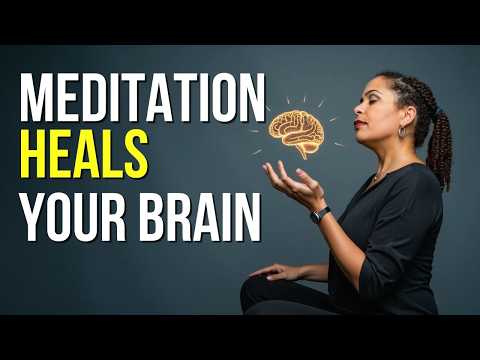
You know that feeling when your mind just won’t shut up? Yeah, me too. That racing heartbeat, those intrusive thoughts—it’s a lot to handle.
But here’s the thing: meditation can actually help with all that chaos. Seriously! It’s not just about sitting in silence and pretending to be a monk.
It’s about finding a little peace amidst the storm, you feel me? A moment to breathe and just be.
So let’s chat about how meditation can kick anxiety to the curb and help you stay present. Sound good?
Discover the Power of Meditation: Effective Techniques to Relieve Stress and Anxiety
Meditation has been around for ages, right? It’s kind of like that old friend who always knows what to say to calm you down. A lot of people turn to meditation these days to help with stress and anxiety. Seriously, it can be a real game changer.
So here’s the thing: when you meditate, you give your mind a break from all that noise. You know, those racing thoughts that just won’t chill out? Basically, meditation helps you focus on the present moment. You’re not worrying about what happened yesterday or stressing over tomorrow. You’re just *here,* right now.
There are a bunch of techniques out there but let’s talk about a few really effective ones.
- Mindfulness Meditation: This is about being fully present. You sit quietly and pay attention to your breath or maybe the sounds around you. When your mind drifts off (and it will!), gently bring it back without judging yourself.
- Guided Meditation: Sometimes having someone lead you through meditation helps a ton. There are plenty of apps or videos where a soothing voice takes you on a mental journey. It’s like having your own personal guide!
- Loving-Kindness Meditation: This one’s really heartwarming! You spend time sending good vibes and wishes to yourself and then expand that to loved ones, acquaintances, and even people who annoy you (it builds compassion). Feels nice, doesn’t it?
Now, let me share a wee anecdote I came across recently while chatting with my friend Mia. She was juggling work stress and personal stuff—totally overwhelmed! She started meditating for just 10 minutes each morning after reading about its benefits online. Over time, she noticed she was way less anxious during her day-to-day activities; plus, she felt more connected to what was happening around her.
Research backs this stuff up too! Studies suggest regular meditation can actually change your brain over time, making it more resilient against stress and anxiety.
But look, don’t expect miracles overnight—just like building muscle takes time at the gym, meditation requires practice too! Start small if you’re new; even five minutes can make a difference.
And here’s an interesting little nugget: consistently practicing mindfulness doesn’t just reduce anxiety; it also improves your *overall* well-being. People often report feeling more grounded and content with their lives as they become more aware of their thoughts and feelings without getting swept away by them.
So really think about giving meditation a shot if anxiety is something you’re dealing with regularly. Just find that little pocket of peace in your day where you can sit quietly for some deep breaths or listen to some calming sounds—it might do wonders for you!
Discover How Meditation Can Effectively Reduce Stress and Anxiety
Meditation, huh? It’s been getting a lot of buzz lately, and for good reason. There’s this thing about meditation that helps reduce stress and anxiety. When you think about it, it makes sense. Life can be pretty overwhelming sometimes! One moment you’re juggling work deadlines, social commitments, and family responsibilities, and the next—bam! Stress hits you like a ton of bricks.
One of the cool things about meditation is that it invites you to step back and breathe. Imagine you’re in a chaotic room filled with noise and distractions. Then someone tells you to close your eyes for just a minute. Sounds too simple to work, right? But what happens is that those few seconds of focused breathing can literally change your brain activity.
The science behind meditation isn’t just some fluff; it actually alters how we respond to stress. Studies have shown that people who meditate regularly report lower levels of anxiety and stress. Like, how awesome is that? Here’s what happens: through meditation, you start training your brain to respond differently. Instead of freaking out when life throws curveballs at you, you develop a sense of calmness.
When we meditate, we’re not only relaxing our minds but also becoming more aware—in other words, practicing mindfulness. This means focusing on the present moment without judgment or fussing over the past or future. Imagine sitting in a park with your eyes closed: you’re just there with your thoughts—no rushing or stressing out!
Here are some key points on how meditation can help with stress and anxiety:
- Reduces The Fight-or-Flight Response: Meditation lowers the body’s production of stress hormones like cortisol.
- Enhances Self-Awareness: When you’re meditating regularly, it’s easier to recognize your thought patterns.
- Promotes Emotional Health: Some studies suggest that meditation can improve symptoms of anxiety disorders.
- Aids Your Attention Span: Many types of meditation focus on improving concentration and focus.
Imagine Sarah—she’s always felt anxious before public speaking gigs. Ever since she started meditating for just ten minutes each morning, she noticed she feels less “butterflies” in her stomach before presentations. It’s mind-blowing how such a small habit can create such a huge difference in someone’s life!
You might wonder how to get started with this whole meditation thing. Honestly? It doesn’t need to be complicated! You don’t need any fancy equipment or expertise—just find a quiet spot where you can sit comfortably (or even lie down if that’s what floats your boat). Close your eyes and focus on your breath or maybe even repeat a calming word or phrase.
Don’t sweat it if your mind wanders; that’s totally normal! Just gently guide yourself back to your breath or mantra without getting frustrated.
With practice—and I mean consistent practice—you’ll likely notice shifts in how you handle stressors in daily life over time. Trust me; it’s kind of liberating.
So yeah, embracing meditation could really help kick anxiety to the curb while making space for mindfulness—a little peace amidst all the chaos of life! Wouldn’t it be nice if we all had a little more calm in our crazy worlds? Just something to think about!
Top Meditation Techniques to Relieve Stress and Anxiety Effectively
Meditation can be a game changer when it comes to handling stress and anxiety. Seriously, just think about when life gets overwhelming, and you feel that weight on your chest. A few minutes of meditation can help lighten that load. It’s all about finding the right technique that clicks with you.
Mindfulness Meditation is probably the most popular type. It’s about being present in the moment and observing your thoughts without judging them. Picture yourself sitting quietly, focusing on your breath while acknowledging any distractions that pop up, like a dog barking or random thoughts buzzing around. You just let them float by like clouds passing overhead. Over time, this practice helps you develop a more relaxed outlook on life.
Another technique is Body Scan Meditation. This one’s really cool for releasing tension throughout your body. You basically lie down comfortably and focus on different parts of your body, starting from your toes to the crown of your head. As you mentally check in with each area, notice where you’re holding tension and breathe into it—releasing it as you exhale. It’s like giving yourself a mini massage from the inside out!
Then there’s Loving-Kindness Meditation, which encourages feelings of compassion towards yourself and others. You sit quietly and repeat phrases that express goodwill—stuff like “May I be happy” or “May I be healthy.” After focusing on yourself, you gradually extend those wishes to friends, family, and even people you might not like very much (yeah, it sounds tough). But cultivating kindness can seriously shift how you see the world around you.
For those who enjoy a bit of structure in their practice, Guided Meditation might be up your alley. These are led by teachers or through apps that provide step-by-step instructions. Whether it’s focusing on breathing techniques or visualizing peaceful scenes—like walking through a serene forest—these sessions can deepen relaxation and help clear mental clutter.
Don’t underestimate the power of Breath Awareness. This basic technique often gets overlooked but is super effective for grounding yourself instantly when anxiety creeps in. Simply close your eyes for a moment; take deep breaths—inhaling through your nose and out through your mouth while counting to four each time; this slows everything down! Practicing this regularly can make it easier to tap into calmness even during hectic moments.
Finally, there’s Transcendental Meditation (TM), which involves repeating a specific mantra for 15-20 minutes twice daily. The idea is to transcend ordinary thought patterns to achieve deeper states of relaxation and awareness—kind of floating above the chaos instead of getting tangled up in it.
All these techniques aim to create calm amidst chaos; they’re tools in your toolkit for managing stress effectively! Imagine this: after practicing regularly for just a few weeks—you might start noticing an ability to step back from stressful situations without getting overwhelmed so easily.
So go ahead—give one or two of these methods a shot! Everyone’s different when it comes to what works best for them, but even just dipping your toes into meditation could lead to some positive changes in how you handle life’s ups and downs!
Meditation, huh? It’s one of those things that people talk about a lot these days. You know, it sounds kind of mystical and Zen-like, but honestly, it can be pretty straightforward. I remember chatting with a friend who was drowning in anxiety—like, she felt like she was constantly treading water. One day, she decided to give meditation a shot after hearing about its benefits from everywhere.
At first, she was skeptical. Sitting still for even five minutes sounded like torture! But she started small, just focusing on her breath. It’s funny how something so simple can feel so complicated at first. But slowly, she began noticing changes. Less racing thoughts and more moments where she could just… be present.
The thing is, meditation isn’t just about calming your mind. It’s about building mindfulness too. That awareness helps you catch those anxious thoughts before they spiral out of control. Instead of letting anxiety pull her down into that deep end of worry, my friend learned to acknowledge those feelings without judgment. She’d recognize them like old friends showing up uninvited and say, “Alright, I see you there.”
The more consistent she got with it—like daily practice—the more tools she had to deal with whatever life threw at her. And I’m talking everything from stress at work to just feeling overwhelmed by everyday stuff.
Meditation is sort of like working out for your brain; it strengthens your mind’s ability to deal with chaos and improves focus too! Over time, my friend found herself not only less anxious but also more engaged in life. She’d savor those small moments—a warm cup of coffee or a sunny afternoon—with an openness that wasn’t there before.
And yeah, maybe it sounds a bit cliché or something—but who cares? It worked for her! So maybe if you’re struggling with anxiety or feeling out of touch with life sometimes, giving meditation a try couldn’t hurt. Just remember: it’s not about perfection; it’s really all about finding some peace amid the noise and discovering how to enjoy the moment more often than not.