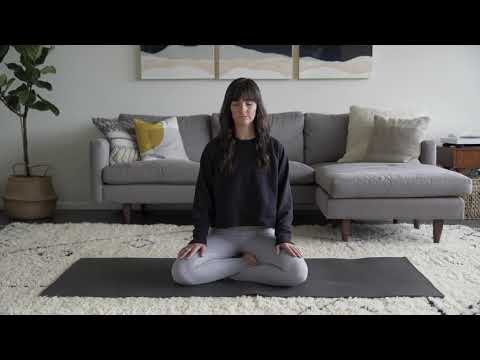
You know those days when anxiety just crashes your vibe? You’re not alone. Seriously, it can feel like a heavy backpack you can’t put down.
But hey, there’s something pretty cool you can try to lighten that load: meditation breathing techniques. They’re simple, effective, and totally doable anywhere.
Just picture this: you’re stuck in a busy place, feeling that familiar tightness in your chest. Instead of spiraling, you take a moment to breathe—just breathe. Sounds easy, right?
It’s like hitting a reset button on your brain. We all need that sometimes! Let’s chat about some breathing tricks that can help kick anxiety to the curb.
Top Breathwork Techniques to Alleviate Anxiety: Find What Works for You
Breathwork can seriously be a game changer for anxiety. It’s like giving your brain a reset button when things feel overwhelming. The cool thing? There are different techniques you can try, and it’s all about finding what clicks for you. Let me break down some popular ones.
1. Diaphragmatic Breathing
This technique is all about using your diaphragm, not just your chest, when you breathe. You start by lying down or sitting comfortably. Place one hand on your chest and the other on your belly. Now, take a deep breath in through your nose—feel that belly rise? That’s what you want! Then exhale slowly through your mouth. Try to count to four as you breathe in and then slowly count to six or eight while breathing out. Seriously, it can help calm those racing thoughts.
2. 4-7-8 Breathing
Okay, here’s where it gets interesting! This technique was developed by Dr. Andrew Weil and can really help with anxiety and sleep issues too. You’ll inhale for four seconds, hold that breath for seven seconds, and then exhale for eight seconds. It sounds simple but gives your body time to relax between breaths, kinda like hitting pause on everything around you.
3. Box Breathing
Think about this like creating a box with your breath! Inhale for four seconds, hold for four seconds, exhale for four seconds, and hold again for four seconds before starting over. This is great because the structured rhythm can distract your mind from anxious thoughts.
4. Alternate Nostril Breathing
This one’s kinda neat! You use your fingers to close off one nostril at a time while inhaling and exhaling through the other nostril alternately. It sounds trickier than it is—just remember to keep things slow and steady! It’s said to balance the energy in your body and calm any jittery feelings.
5. Visualized Breathing
You’re gonna want to get cozy for this one! Picture yourself inhaling light or positive energy (you pick what feels good) while exhaling dark clouds or negativity (goodbye stress!). Imagining something peaceful—like waves rolling onto shore—can help ground you during this process.
To be honest, experimenting with these techniques might mean a bit of trial and error at first—but that’s totally normal! Maybe one will click better than the others or suit different situations depending on how you’re feeling.
Remember though: deep breathing isn’t going to fix everything overnight; it’s more like adding another tool to your toolbox against anxiety—you know? So give them a shot when you’re stressed out, overwhelmed with work deadlines, or just feeling off-kilter after too much screen time.
Overall, finding breathwork that resonates is about being patient with yourself as well. Just start small—a few minutes each day—and see where it leads you!
Mastering 3 3 3 Breathing: A Simple Technique to Reduce Anxiety
Mastering 3 3 3 Breathing is one of those techniques that can really help when anxiety hits you like a wave out of nowhere. It’s super simple and, honestly, you can do it anywhere. But let’s break it down so you know exactly how to use it.
First off, what’s the idea behind 3 3 3 Breathing? The concept is straightforward: you take slow, deep breaths while focusing on a simple count. Here’s how it works:
- Breathe in for three seconds. Imagine you’re filling up your lungs with fresh air, like you’re inhaling all the good vibes.
- Hold that breath for three seconds. This part can feel weird at first, but just chill and let your body enjoy the pause. It’s like giving yourself a little hug inside.
- Breathe out for three seconds. Release all that tension with every exhale. Feel the stress leaving your body as if it’s floating away on a cloud.
Now, here comes the fun part — repetition! You want to repeat this cycle until your heart rate calms down and your mind feels clearer. Like, maybe do it five times or so? But hey, if you’re in a tough spot and need more time, go ahead and continue until you feel better.
You might be wondering why this works at all. Well, deep breathing activates your body’s natural relaxation response. It helps decrease cortisol (that pesky stress hormone) and boosts oxygen flow to your brain. So yeah, it’s kind of like giving your brain a mini-vacation!
And here’s a little story to illustrate how effective it can be: One of my friends struggled with anxiety before big meetings at work. She’d get all sweaty palms and shaky thoughts swirling around in her head. Then she tried the 3 3 3 technique just before one meeting – she took her time breathing in peace and holding before releasing… Like magic! By the time she stepped into that room, her nerves were way more chill.
If you’re feeling overwhelmed at any moment—whether it’s during a presentation or just hanging out—you can bust out this technique! Just remember to find a quiet space if possible or even try it while sitting at your desk.
In short, mastering 3 3 3 Breathing is about finding calm amidst chaos. It’s an easy way to regain control over your thoughts and feelings when anxiety tries to take over. Just give it some practice; soon you’ll have this little tool ready for whenever life gets too real!
Top Meditation Breathing Techniques on YouTube to Calm Anxiety and Enhance Well-Being
Meditation is kinda like pressing the reset button on your mind, especially when anxiety starts to creep in. Breathing techniques are a big part of that. They can help you chill out and feel more grounded. If you’re looking for some good ones on YouTube, there are plenty out there that can really assist with calming anxiety and boosting your overall well-being.
First off, let’s talk about diaphragmatic breathing. This is all about breathing deeply into your belly rather than shallowly into your chest. It encourages relaxation and helps lower stress levels. Just search for “diaphragmatic breathing” on YouTube, and you’ll find guided sessions that walk you through it step by step. It might feel a bit weird at first, ‘cause we’re so used to the quick breaths we take during the day. But once you get the hang of it, it’s super helpful.
Another popular method is 4-7-8 breathing. Basically, you inhale for 4 seconds, hold that breath for 7 seconds, then exhale slowly for 8 seconds. This technique helps slow down your heart rate and calms your mind. There are plenty of videos showing how to do this while explaining the science behind it too—definitely worth checking out if you’re curious.
Then there’s box breathing—it’s like a little mental refocus class! You inhale for 4 seconds, hold for 4 seconds, exhale for 4 seconds, and hold again for 4 seconds before repeating the cycle. This can be really grounding when anxiety starts to spike. Just type in “box breathing” on YouTube and look for those guided practices; they often have calming music in the background which makes it even nicer.
Alternate nostril breathing is another technique you’ll come across. It helps balance energy in your body and calm your nervous system down at the same time—two birds with one stone! The idea here is to breathe through one nostril while closing the other and then switch after each inhalation and exhalation cycle. There’s usually an instructor guiding you through this on video which makes it easier to follow along.
You might also want to check out some deep meditation practices that incorporate mindful breathing. These sessions often encourage you to focus on your breath as a way of centering yourself during stressful moments. A lot of channels offer this approach mixed with gentle background sounds or nature sounds which can be incredibly soothing when anxiety hits.
Try them out! Seriously; just set aside a few minutes each day to give these techniques a shot instead of scrolling endlessly through social media feeds—you know? You could feel a significant difference over time!
Remember: if you’re having an especially tough time dealing with anxiety or mental health issues overall, it’s always good to reach out to someone who can help professionally too. That said, these techniques are great tools in your wellness toolkit!
Breathing techniques can be a real game-changer when it comes to calming anxiety. You know those moments when your chest feels tight, and everything around you is just too much? I’ve been there, trust me. It’s like you’re stuck in this mental loop, and the louder the noise gets in your head, the harder it is to catch your breath.
So, meditation breathing offers this kind of reset button for your mind and body. Think about it—when you’re stressed out, your breath tends to get all shallow and fast, right? But by focusing on how you’re breathing, you can actually bring that back to a nice, steady rhythm. It’s like telling your body, “Hey! Chill out for a second!”
One technique that’s super simple is the 4-7-8 method. You inhale through your nose for four counts, hold for seven (which feels like an eternity at first but totally works), and then blow it all out through your mouth for eight counts. It sounds almost too easy but give it a shot—the pressure just seems to melt away with each cycle.
I remember this one time I was about to give a big presentation at work—my heart was racing faster than my thoughts! Seriously, I could feel the sweat drip down my back just thinking about standing up there in front of everyone. I took five minutes backstage just breathing deep and slow with that 4-7-8 technique. It made such a difference! When I finally walked out there, I felt more centered—not perfect but definitely calmer.
The beautiful thing about these techniques is that anyone can do them anywhere. Whether you’re at home curled up on the couch or sitting in your car before heading into a stressful meeting, just taking a few moments to breathe can reconnect you with that calmer part of yourself.
And look, it’s not like it’ll fix everything overnight; anxiety isn’t something that’s going away with one deep breath session. But making these breathing exercises a habit? That’s where you’ll start noticing changes over time. You’ll find yourself handling tough situations with more grace instead of feeling like you’re drowning in stress.
Next time you’re feeling anxious or overwhelmed, try taking those few minutes to breathe intentionally. Who knows? You might surprise yourself with how much better you feel afterwards!