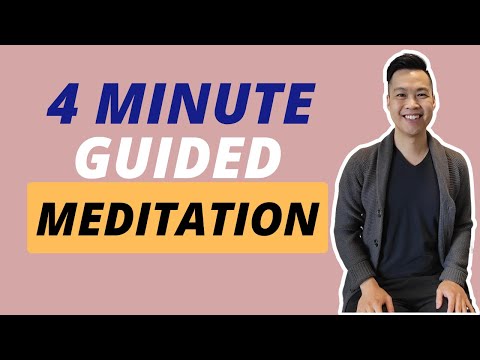
So, let’s chat about anxiety for a sec. You know that feeling like your brain’s on overdrive? Yeah, it can really mess with your day.
But here’s the thing: meditation can be a game-changer. Seriously. It’s like hitting the pause button on all that noise in your head.
You might be thinking, “Isn’t meditation just sitting quietly?” Well, it’s way more than that. There are tons of cool techniques out there that can help calm those racing thoughts.
I remember when I first tried meditating during a stressful time. I was so skeptical at first, but wow, did it help! My swirling thoughts started to settle—like calm water after a storm.
So let’s dig into some simple techniques together. You ready? Let’s see how meditation can be your buddy in managing anxiety!
Top Meditation Techniques for Reducing Anxiety: Find the Best Method for You
You know, meditation can feel like a lifeline when anxiety starts creeping in. It’s like an anchor that helps you stay grounded in the chaos of your thoughts. There are a ton of different techniques to explore, and the best method is really about what vibes with you. So, let’s break down some solid meditation techniques that can help you manage anxiety symptoms.
Mindfulness Meditation is probably one of the most popular kinds. It’s all about being present in the moment, right here, right now. You focus on your breath and observe your thoughts without judgment. Imagine sitting quietly and noticing how your mind wanders off—like when you’re trying to pay attention but then start thinking about lunch! That’s totally normal. When you notice this happening, just gently bring your focus back to your breathing.
Guided Meditation might be what you need if you’re looking for a little more direction. With this approach, you listen to someone guiding you through a visualization or relaxation exercise. It could be a voice on an app or even a YouTube video—whatever works for you! This type can really help ease anxiety by taking your mind on an imaginative journey away from stressors.
Then there’s Zazen, which is the traditional Zen practice. It involves sitting in silence and focusing on your posture and breathing for long periods. The idea is to observe your thoughts as they come and go like clouds drifting across the sky—just let them float by without holding onto any of them too tightly.
Loving-Kindness Meditation, or Metta, is super powerful for cultivating compassion—not just for others but also for yourself! You repeat phrases that express goodwill toward yourself and others (“May I be happy, may I be healthy…”). It’s like giving yourself a big warm hug from within while also sending good vibes out into the world.
If you’re more into something physical, Kundalini Yoga combines movement with breath work and chanting to release pent-up energy. This technique helps shake loose some of that anxious tension through dynamic postures and energetic breath patterns—it’ll get both your body and mind moving.
And hey, there’s also Tai Chi. This ancient martial art feels like moving meditation; it’s slow-paced and emphasizes gracefulness in each motion. It can help ground you while relieving stress through rhythmic movements and breathing exercises.
The thing is—you might have to try out a few different styles before finding one that clicks with you. One friend of mine swears by guided meditations early in the morning because it sets an optimistic tone for her day! Another friend loves Zazen because it grounds him after long work hours filled with chaotic meetings.
Your environment matters too! Finding a comfy spot free from distractions will enhance whatever technique you’re trying out. Maybe light a candle or listen to soft music if it helps create that calming vibe you’re after!
Create little rituals around these practices so they feel special; maybe brew some tea while you meditate or play calming nature sounds in the background. Just remember: it’s not about doing it perfectly—it’s about giving yourself space to breathe during those anxious moments.
Sooner or later you’ll discover what resonates best with you! Don’t be shy about experimenting until you’ve figured out how meditation fits into managing anxiety specifically for YOU!
Understanding the 3-3-3 Rule for Managing Anxiety: A Simple Guide
Anxiety can feel pretty overwhelming, right? One tool that some folks find helpful is the **3-3-3 Rule**. It’s a simple technique designed to help you ground yourself when anxiety starts creeping in. Basically, you’re using your senses to pull yourself back into the moment, and it’s easy to remember.
First off, what does the 3-3-3 mean? Well, it’s all about focusing on your surroundings. Here’s how it goes:
Step 1: Identify 3 things you can see. Look around you and really take in your environment. Maybe it’s a picture on the wall, a tree outside your window, or even a coffee cup on your desk. Just notice them without judgment—like appreciating how that tree moves gently in the wind.
Step 2: Notice 3 things you can touch. This could be something as simple as feeling the texture of your clothes or running your fingers over something smooth nearby. It reminds you that you are present and connected to the here and now.
Step 3: Listen for 3 sounds. These sounds might be soft—the ticking of a clock, birds chirping outside, or even distant chatter in a café. Focusing on sounds helps to distract from anxious thoughts swirling in your head.
When I first tried this out during an anxiety-filled moment, I was really surprised by how much it helped! I sat in my car waiting for an appointment and started looking at my surroundings. I noticed leaves rustling and could feel my seat warm against my back. It pulled me out of that spiral—it was like a little reset button for my mind.
Now, why does this work? Well, anxiety often pulls us into our thoughts—thoughts about what might happen next or what could go wrong. The 3-3-3 Rule shifts that focus away from those worries and helps bring you back to reality, grounding yourself in what’s actually happening around you.
Also remember that while this rule is super handy, it’s just one piece of managing anxiety. There are plenty of other techniques out there too! And if you ever feel like you’re drowning in those anxious feelings—don’t hesitate to reach out for support from friends or professionals who get it.
So next time you’re feeling anxious—and let’s face it; we all have those days—give the 3-3-3 Rule a shot! You might just find it’s exactly what you need to regain some calm amidst the chaos.
Effective Meditation Techniques to Manage Anxiety Symptoms: A YouTube Guide
Meditation can be a game changer for managing anxiety. You know, it’s like finding a little calm in the storm swirling around you. Seriously, when you’re feeling anxious, taking a few moments to meditate can help ground you and clear your mind.
So, let’s break down some effective meditation techniques you might find in a YouTube guide or elsewhere:
Mindfulness Meditation is super popular. It involves paying attention to the here and now. You’d focus on your breath and just notice how it feels—like the air coming in and out of your lungs. If thoughts start bubbling up, that’s totally normal! Just acknowledge them and guide your focus back to your breath.
Guided Meditation is another fantastic option. In this type of meditation, someone leads you through imagery or specific phrases. Think of it as having someone else steer the boat while you relax on the ocean waves (metaphorically speaking!). There are plenty of free videos online where instructors take you step by step through relaxing scenarios.
Next up is Body Scan Meditation. It’s like doing a mental check-in with yourself from head to toe. You’d start by focusing on your head, then slowly move down to your toes, noticing any tension or stress areas along the way. Picture this: if you’ve had a rough day and feel tightness in your shoulders, this technique can help release that built-up tension.
Then there’s Zazen, also known as sitting meditation. This one is big in Buddhist practice but totally accessible for anyone looking to chill out! You sit quietly, observing your thoughts without judgment. It might sound challenging at first—like keeping an eye on a wobbly stack of blocks—but with practice, it can become easier.
Remember Loving-Kindness Meditation? This one’s all about generating good vibes—not just for yourself but also for others! While breathing deeply, you repeat positive phrases about yourself and then extend those feelings toward others. It’s a lovely way to ease self-criticism which often tags along with anxiety.
And hey, don’t forget about Walking Meditation. Seriously! Instead of just sitting still, find a quiet spot outdoors or even indoors where you won’t be disturbed. Focus on how each foot feels hitting the ground while you walk slowly at your own pace—it connects movement with mindfulness!
Keeping things simple is key here; use whichever method resonates most with you. The great thing about meditation is that there are no strict rules—you do what works best for YOU.
If you’re anxious about trying meditation at first—hey, it’s okay! Just remember that every little bit helps build up resilience against anxiety over time. Each session doesn’t need to be long; even five minutes can make a difference!
Lastly, let’s not forget consistency matters too! Try setting aside dedicated time daily—even if it’s just five minutes—to build up an easy routine around these techniques.
In short? There are loads of options out there when it comes to meditation practices for managing anxiety symptoms—just find what feels good for you and roll with it!
You know, I’ve always been a bit skeptical about meditation. I mean, sitting still and just… breathing? It seemed kinda boring, to be honest. But then my friend Sarah tried it to deal with her anxiety. She’d been dealing with those heavy feelings for a while and decided it was time for a change.
She told me about this thing called mindfulness meditation. The way she described it, it sounded almost magical. You just sit quietly, focus on your breath, and bring your mind back whenever it wanders (which, spoiler alert: it will). It’s like training your brain to hang out in the present instead of constantly worrying about tomorrow or fixating on yesterday.
I remember the first time I gave it a shot myself. I was nervous—like those anxious butterflies were practically doing gymnastics in my stomach. So I found a quiet spot, closed my eyes, and tried to breathe deeply. At first, my thoughts were racing: “Am I doing this right?” “What’s for dinner?” “Did I leave the oven on?” But hey, that’s normal! The trick is gently bringing your thoughts back to your breath each time they wander off.
There are other techniques too! You could try guided meditations where someone talks you through the process. They often have soothing voices, which can really help with calming those jittery feelings. Visualization is another cool approach; like picturing yourself in a calm beach or forest while focusing on how relaxed you feel there.
Honestly? Sometimes just taking five minutes to hit pause can make all the difference in my day. It’s not about clearing your mind completely; it’s more like creating a little pocket of peace amidst all the chaos.
And look, every person is different! What works wonders for you might not click with someone else—and that’s totally fine! The most important thing is giving yourself that space to breathe and find what resonates with you.
So next time anxiety hits hard, consider giving one of these meditation techniques a try. Who knows? You might just discover a new way to find calm—even if you’re still figuring out how not to let those gymnastics-loving butterflies take over!