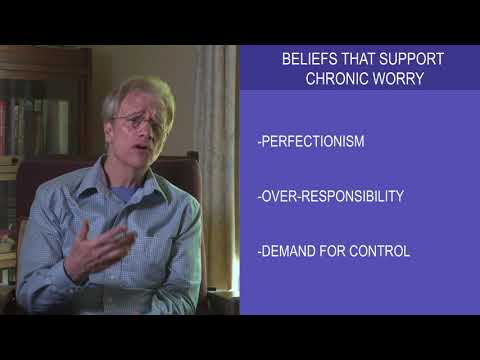
You know, anxiety can feel like this heavy weight you just can’t shake off. It’s the kind of thing that pops up when you least expect it, right? Like when you’re trying to sleep or even just chilling with friends.
Medications for Generalized Anxiety Disorder, or GAD for short, might seem like a deep dive into some complicated stuff. But really, it’s all about finding relief and getting back to your life.
So, what’s the deal with meds? How do they work? Do they actually help? These are questions we all have when we’re navigating that anxiety maze. You’re not alone in this!
Let’s chat about what options are out there and how they could possibly fit into your journey toward feeling a bit more at ease. Sound good?
The Best Medications for Managing Generalized Anxiety Disorder: A Comprehensive Guide
Generalized Anxiety Disorder, or GAD, can feel like you’re carrying a heavy backpack filled with bricks. It’s that constant worry that never really goes away, making daily life feel like a marathon you just can’t finish. Medications can play an important role in easing those burdens.
First off, there are antidepressants, which are often the go-to meds for GAD. They help balance chemicals in your brain that affect mood and anxiety levels. Within this category, you’ll find:
- Selective Serotonin Reuptake Inhibitors (SSRIs): These include medications like escitalopram and sertraline. They work by increasing serotonin in your brain, which can help reduce anxiety over time. Think of serotonin as a mood booster—more of it usually means you feel better.
- SNRIs (Serotonin-Norepinephrine Reuptake Inhibitors): This group includes drugs like venlafaxine. They target two neurotransmitters—serotonin and norepinephrine—and can be effective for both anxiety and depression.
Then we have Benzodiazepines, which include familiar names like diazepam and lorazepam. These meds work quickly to relieve symptoms, often bringing immediate comfort during particularly anxious moments. But you should tread lightly here; they’re typically recommended for short-term use because they can be addictive.
Another interesting option is the medication called buspirone. This one’s unique since it doesn’t fit neatly into the other categories mentioned. It’s often used for chronic anxiety without the sedative effects of benzodiazepines. Not everyone finds it effective, but some people swear by it!
And let’s not forget about lifestyle changes or augmenting these meds with therapy. Seriously! Things like practice mindfulness or finding healthy coping mechanisms can totally complement medication.
When considering medications for GAD, talk openly to your healthcare provider about what works best for you personally. Everyone’s body is different—you could say it’s kinda like choosing a favorite pizza topping! What works wonders for one person might not do much for another.
Feeling overwhelmed? That’s totally normal when dealing with anxiety or starting something new—especially with medications involved. Just take it one step at a time; hopefully this breakdown makes things clearer without overloading you.
In the end, finding the right medication may take some time, but hang in there! With patience and support from professionals, life can feel lighter again.
Top Medications for Treating Generalized Anxiety Disorder and Depression: A Comprehensive Guide
Let’s chat about medications for treating Generalized Anxiety Disorder (GAD) and depression. It’s a heavy topic but super important. You, or someone close to you, might be dealing with these issues, and understanding how medications can help is a big deal.
Generalized Anxiety Disorder can feel like you’re carrying a weight around all day long—like your brain’s constantly in overdrive. Worrying about everything from work to personal life can make even the simplest tasks feel overwhelming. Depression, on the other hand, hits in a different way. It can drain your energy and make it hard to enjoy things you once did.
When it comes to medications, there are basically two main categories often used: antidepressants and anti-anxiety medications.
- Selective Serotonin Reuptake Inhibitors (SSRIs): These are typically the first go-to for both GAD and depression. They work by increasing serotonin levels in your brain. Imagine serotonin as your brain’s cheerleader; the more of it you have, the better you feel! Common SSRIs include fluoxetine (Prozac) and sertraline (Zoloft).
- SNRIs (Serotonin-Norepinephrine Reuptake Inhibitors): Similar to SSRIs but they boost not just serotonin but also norepinephrine. These might help if SSRIs don’t quite do the trick for you. Venlafaxine (Effexor XR) is a well-known SNRI.
- Benzodiazepines: These are often prescribed for short-term relief of anxiety symptoms. They work quickly, which is great when you’re feeling super anxious. But they can also lead to dependency if used long-term—so they’re usually not the first choice for ongoing treatment. Think of them like a safety net that catches you when you’re falling but shouldn’t be your only way of staying grounded.
- Buspirone: This is another option specifically for anxiety that doesn’t carry the same risk as benzodiazepines. It can take longer to kick in but tends to have fewer side effects.
- Atypical Antipsychotics: Sometimes these are prescribed off-label for anxiety or depression when other meds aren’t effective enough. Medications like quetiapine (Seroquel) may be used here.
Remember that everyone reacts differently to meds—you know? What works wonders for one person might cause more trouble than good for another.
A friend of mine once shared how he felt like he was living in grayscale; everything seemed dull and uninteresting due to his depression. After starting on an SSRI, he said it was like color had been added back into his life—the world became brighter again! But getting there took some time; finding the right medication isn’t always smooth sailing.
Now, it’s super important that anyone considering medication does so under professional guidance because side effects can happen—and we need to be careful about interactions with other drugs or health conditions.
So yeah, that’s kind of a straightforward look at medications for GAD and depression! They’re not magic pills; they don’t fix everything overnight. But with time, support from mental health professionals, and maybe therapy alongside them, many people find relief from their symptoms and start living more fully again!
Understanding First-Line Treatments for Generalized Anxiety Disorder: A Comprehensive Guide
Generalized Anxiety Disorder, or GAD, can feel like a heavy backpack you just can’t put down. If you or someone you know is dealing with this, knowing what help is out there can be super important. Let’s unpack this a bit.
First off, the most common first-line treatments for GAD are **medications** and **therapy**. Each has its own role in easing that overwhelming sense of dread and worry.
Medications play a major part in managing symptoms. Here’s what you might encounter:
- Selective Serotonin Reuptake Inhibitors (SSRIs): These are often the go-to meds for GAD. They help increase serotonin levels in the brain, which can boost your mood and reduce anxiety. Common examples include escitalopram and sertraline.
- Serotonin-Norepinephrine Reuptake Inhibitors (SNRIs): These work similarly to SSRIs but also target norepinephrine, which can help with physical anxiety symptoms. Duloxetine is a well-known SNRI used for GAD.
- Benzodiazepines: These can provide quick relief from severe anxiety but are usually prescribed for short-term use due to their potential for dependence. Think of them as an emergency tool rather than a long-term solution.
- Buspirone: This one’s different from typical antidepressants; it specifically targets anxiety without the sedative effects some other meds have. It might take a few weeks to kick in though.
Now let’s not forget about therapy! A lot of people find it really helpful alongside medications.
Cognitive Behavioral Therapy (CBT) is the most researched type for GAD. It focuses on identifying and changing negative thought patterns that fuel anxiety. Imagine sitting down with someone who helps you untangle those anxious thoughts like they’re balling up strings—slowly but surely making sense of it all.
Another approach is mindfulness-based therapy. This teaches you how to live in the present moment instead of getting sucked into worries about tomorrow or next week. It’s like learning how to ride waves instead of drowning in an ocean of anxious thoughts.
Now sometimes people wonder if they should stick with just one approach or combine them. Well, often it depends on what works best for you personally! Some folks find meds help take the edge off enough so they can get more out of therapy.
Importantly, if you’re considering any medication or treatment plan, connecting with a healthcare provider who understands your unique situation is key—you don’t have to do this alone!
And seriously, reaching out for help when dealing with anxiety isn’t a weakness; it’s actually pretty brave.
So there you have it: medications and therapies are essential tools in managing Generalized Anxiety Disorder—what works best will vary from person to person!
Alright, let’s chat about medication for Generalized Anxiety Disorder (GAD). So, imagine you’re feeling this heavy weight on your chest all the time. Like, you wake up in the morning and boom—anxiety hits before you even get out of bed. It’s tiring, right? That constant worry about everything from work deadlines to what to make for dinner can feel overwhelming.
For some folks dealing with GAD, medication can be a real game-changer. Medications like SSRIs or SNRIs are often prescribed to help ease those relentless anxious thoughts and feelings. They work on balancing out chemicals in your brain, which sounds fancy but really just helps you feel… well, more like yourself again.
I remember a friend who struggled with anxiety for years. She would literally avoid social events just because her mind was running wild with “What ifs?” One day, she opened up about it and decided to give medication a shot after chatting with her doctor. It took some time—like weeks—to really kick in, but eventually, she started feeling lighter. It was like she could finally see a clear path through the fog that had been clouding her mind.
Of course, this doesn’t mean meds are the only solution or that they work for everyone. Therapy is another powerful tool in managing anxiety—many people find a combination of both works best. Plus, there are lifestyle changes that can help too; things like exercise or mindfulness which can really reduce anxiety levels.
But let’s be real: the stigma around mental health and taking medication still exists. Some people think it means you’re “broken” or something’s fundamentally wrong with you if you need meds. That’s just not true! Everyone processes things differently; sometimes your brain needs a little extra support to get back on track.
Anyway, if you’re considering medications for anxiety—or know someone who is—it’s super important to chat openly with healthcare professionals. We’re all figuring this mental health thing out as we go along, and being informed is key to making the best choices for yourself.
So yeah—medications can play a role in managing GAD and lifting that heavy weight off your shoulders! Just remember it’s all part of a bigger picture when it comes to mental health care.