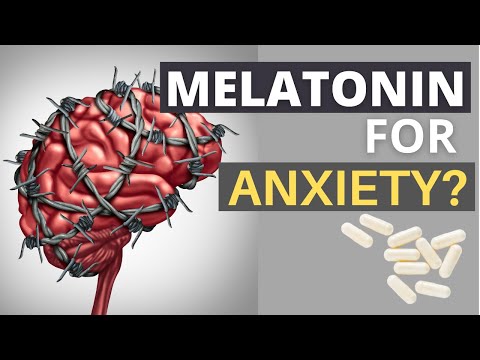
So, you know those nights when you can’t fall asleep? Or worse, when you wake up and your body just won’t move? Yeah, sleep paralysis is a wild ride. It’s like your brain is awake but your body is still in dreamland. Super creepy, right?
Now, mix in a healthy dose of anxiety. Ugh! It’s like the universe thought it’d be funny to throw in some extra stress while you’re trying to catch some Z’s.
But here’s where melatonin comes into play. This little hormone could be your new best friend in managing sleep issues and that annoying anxiety monster. Curious? Let’s chat about what melatonin can really do for you!
Can Melatonin Alleviate Sleep Anxiety? Exploring the Connection Between Sleep Aids and Mental Wellness
So, you’re probably wondering about melatonin and its connection to sleep anxiety. It’s a pretty intriguing topic! Sleep anxiety can be a real drag. Like, it’s that feeling where you just can’t relax enough to catch those Zs, and your mind starts racing with worries. You feel me?
Melatonin is a hormone that your body naturally produces when the sun sets. It helps regulate your sleep-wake cycle. Basically, when it gets dark outside, your brain says, “Hey! Time to wind down!” But when you’re dealing with sleep anxiety, this natural process can get all jumbled up.
Now let’s talk about how melatonin might help ease that anxiety. Some studies suggest that taking melatonin supplements can help you fall asleep faster and stay asleep longer. You know how when you’re anxious about sleep, it becomes this cycle? The more you worry, the harder it is to snooze. So, if melatonin can help you drift off more easily, then maybe it breaks this cycle a bit.
Here are some key points about melatonin and its effects:
- Natural vs. Supplement: Your body makes melatonin on its own at night, but sometimes stress or irregular schedules mess with production. Supplements can help restore balance.
- Dosage: A little goes a long way! Most people find that 0.5 to 5 mg of melatonin is effective without causing grogginess the next day.
- Anxiety Connection: Melatonin may not directly target anxiety levels like therapy or medication would but improving sleep quality often leads to less daytime anxiety.
- Sleep Paralysis: If you’re prone to sleep paralysis—where you’re awake but can’t move—getting better sleep could reduce those episodes over time.
But hold on a sec—melatonin isn’t some magic bullet for everyone. It might not work for all types of anxiety or insomnia, and there could be side effects like vivid dreams or morning grogginess in some folks.
And let’s be real: addressing the root cause of your sleep anxiety is crucial too. If something specific stresses you out at bedtime—like work worries or personal issues—then tackling those issues head-on along with using melatonin could really make a difference.
So here’s what I’m thinking: if you’ve got that nagging feeling of dread about falling asleep and are considering melatonin, go ahead but take it as part of a bigger picture for managing your mental wellness. Remembering to practice relaxation techniques or mindfulness before bed could help amplify the benefits of whatever approach you choose.
In wrapping this up, give yourself some grace during this process; sleep challenges are super common and getting support from friends or professionals can make all the difference too! Finding what works best for *you* takes time and patience—and that’s totally okay!
Exploring the Connection Between Melatonin and Sleep Paralysis: Myths and Facts
Sleep can be a bit of a mystery, right? One night you’re out like a light, and the next, you find yourself frozen in bed, unable to move—yikes! That’s sleep paralysis for you. It can feel super scary. But there’s this interesting connection between melatonin and sleep paralysis that we should dive into.
Melatonin is a hormone our bodies naturally produce, mostly at night. It helps regulate our sleep-wake cycle. When it gets dark, your brain releases melatonin to signal it’s time to snooze. But here’s where things get kinda tricky: while melatonin is crucial for healthy sleep patterns, it doesn’t directly prevent or cause sleep paralysis.
So, what’s the deal with sleep paralysis anyway? Basically, it’s when you wake up during REM sleep but your body hasn’t «turned off» the muscle atonia that keeps us from acting out our dreams. You might feel awake and aware but unable to move or speak for a few seconds—or even minutes! Some folks report feeling a weight on their chest or seeing shadowy figures in the room. Spooky stuff!
Now let’s get into how **melatonin** comes in here. Some people use melatonin supplements to help with sleep issues or anxiety that could contribute to sleep paralysis. It’s not like melatonin will *magically* stop you from experiencing those paralyzed moments, but it may help improve overall sleep quality.
But let me tell you something…there are tons of myths swirling around about melatonin and sleep paralysis! Some folks think that taking higher doses of melatonin will prevent those creepy episodes. That’s just not true! It’s important to find the right amount for your body because more isn’t always better.
Stress also plays a big role here. If your mind is racing due to anxiety or other stressors before bed, it can lead to disrupted REM cycles—hello again, sleep paralysis! So managing stress through relaxation techniques might be pretty helpful too.
So when we boil it down: while melatonin has its perks in regulating your sleep cycle and possibly helping reduce anxiety-related triggers, it won’t necessarily keep you free from those spine-chilling moments of being stuck in your own body. Focusing on good sleep habits and managing stress are just as crucial.
It’s like this—you know how if you’re hungry and cranky, everything feels worse? Well same goes for being well-rested versus being all over the place with your schedule or stress; they directly influence how often you’d face such episodes!
Keep an open mind about these connections between anxiety, melatonin, and sleep quality. Talk with a healthcare professional if you’re really struggling—you don’t have to go through this alone!
Effective Strategies for Overcoming Sleep Paralysis: What to Do When It Happens
Sleep paralysis can be seriously freaky. You wake up but can’t move or speak. It’s like your body forgot how to be awake, you know? And sometimes, it even comes with weird hallucinations that make the whole thing scarier.
So, what can you do when it happens? Here are a few strategies to help you deal with sleep paralysis when it strikes, and we’ve gotta mention the role of melatonin here too.
Stay Calm
First off, when you realize what’s happening, try not to panic. I know, easier said than done! But remember: it’s temporary. Focusing on your breathing can help ground you. Breathe in slowly through your nose and out through your mouth. This might help ease the fear a bit.
Change Your Sleep Position
Some folks find that sleeping on their back increases the chances of sleep paralysis. If you’re someone who tends to wake up in that position and then experiences this phenomenon, try sleeping on your side instead. It could make a difference over time.
Regulate Your Sleep Schedule
Keeping a consistent sleeping pattern is crucial. Think of it as telling your body when it’s time to wind down for the night consistently. Going to bed and getting up at the same time every day can help regulate your internal clock, which may reduce episodes of sleep paralysis.
Reduce Anxiety Before Bedtime
Anxiety often likes to tag along with sleep paralysis. To tackle this, establish a calming bedtime routine. This could include things like reading a book (not too thrilling though!), taking a warm bath or listening to some chill music.
The Role of Melatonin
Now let’s talk about melatonin – this is a hormone that helps regulate sleep-wake cycles. It’s produced naturally by our bodies in response to darkness but can also come in supplement form if needed (always check with a doc before starting any supplement). By helping to promote healthier sleep patterns and potentially reducing anxiety levels, *melatonin might lessen episodes of sleep paralysis*. Just keep in mind that everyone’s different; what works for one person might not do much for another.
Practice Good Sleep Hygiene
This term sounds fancy but really means creating an environment conducive to good rest. Make sure your bedroom is cool, dark, and quiet – think blackout curtains and maybe some earplugs if noise is an issue for you.
In summary:
- Stay calm
- Change positions while sleeping
- Create a consistent sleep schedule
- Add relaxing activities before bed
- If considering melatonin, check with a professional first.
- Create good sleep hygiene practices.
Remember that each person’s experience is unique! Finding what helps you may take some trial and error—but it’s totally worth figuring out how to handle those tricky moments when they come up!
Sleep paralysis can be one of those experiences that leaves you feeling really freaked out. Like, imagine waking up and not being able to move, your mind is racing, and sometimes you see or hear things that aren’t really there. It’s no wonder that anxiety often tags along with this condition. Both can keep you tossing and turning at night, right? Cue melatonin—the hormone our bodies produce to help regulate sleep.
Melatonin is like your body’s natural sleep aid. You know, it kicks in when it gets dark outside, making you feel sleepy. Some people think about taking melatonin supplements to help reset their sleep cycles or combat insomnia. But the thing is, there’s a bit of chatter about its potential role in tackling sleep paralysis and related anxiety.
So here’s the deal: Melatonin might help promote a more stable sleep pattern. When your body gets into a healthier rhythm, you may find yourself waking up less frequently during those vulnerable REM stages of sleep when paralysis often strikes. That could mean fewer episodes for some folks! Imagine finally getting a deep night’s sleep without those terrifying interruptions.
A friend of mine once shared how he dealt with sleep paralysis for years—waking up scared and shaky almost every other night. After trying melatonin on his doctor’s suggestion, he felt a change after a few weeks. He snuggled under his blanket without all the dread creeping into his mind as he drifted off to sleep. Of course, everyone reacts differently; what works for him might not work for everyone else.
But it’s important to remember that while melatonin can help regulate your sleep cycle, it doesn’t just wipe away anxiety or solve the deeper issues behind it all—like stress or unresolved trauma. You could still have anxious thoughts bubbling up even if you’re sleeping better at night.
At the end of the day, if you’re considering melatonin for anything related to your sleep or anxiety issues, definitely have a chat with your healthcare provider first. They can give you personalized advice based on your situation—because what works wonders for one person might not work at all for another.
It’s all about finding what fits best for you and understanding that managing anxiety—along with pesky occurrences like sleep paralysis—is typically a mix of strategies rather than just one magic solution.