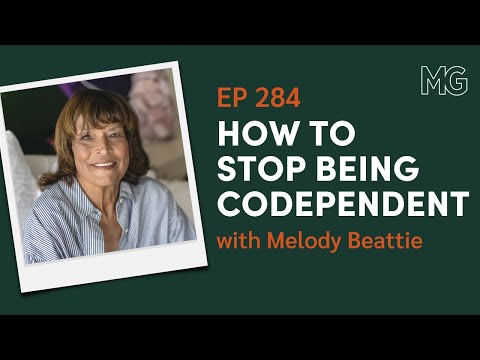
You know how sometimes you just feel tangled up in someone else’s emotions? Yep, that’s codependency for you. It’s like being on a rollercoaster where your happiness depends on someone else’s ride.
Melody Beattie gets it. She really does. Her insights are like a warm hug when the world feels heavy. If you’re wondering how to untangle yourself, you’re not alone. There’s hope and healing across this journey.
Let’s chat about what codependency looks like and how we can break those old patterns together, okay? Because trust me, stepping into your own light feels pretty amazing!
Understanding Codependency: Melody Beattie’s Definition and Insights
Codependency is one of those terms we hear a lot, especially in conversations about relationships. But what does it really mean? Well, Melody Beattie, an expert in this field, has some pretty solid insights on the topic. She defines codependency as a kind of relationship where someone overly relies on others for their self-esteem and identity. You might find yourself feeling like you can’t be happy or fulfilled unless you’re taking care of someone else.
So, what does this look like in real life? Imagine someone who feels responsible for solving all their partner’s problems. You know that friend who always puts their partner’s needs first, even when it’s draining them? Yeah, that’s a classic codependent.
Beattie highlights several key traits of codependency:
- Low self-esteem: Codependents often struggle with feelings of worthlessness and think they need to earn love.
- People-pleasing: If you constantly put others’ needs before your own just to keep the peace or avoid conflict, that’s a red flag.
- Difficulties setting boundaries: Saying no feels impossible; you’re always worried about how others will react.
- An unhealthy focus on relationships: Your happiness is tied to someone else’s behavior or emotional state.
And here’s the kicker: many people don’t even realize they’re codependent until they hit rock bottom. I’ve seen friends go through this—like Sarah, who was always there for her boyfriend, but when he left for another girl, she felt completely lost. Her whole identity was wrapped up in being his support system.
Beattie emphasizes the importance of breaking these patterns. Healing from codependency means learning to value yourself outside of your relationships. This isn’t easy! It involves recognizing your own needs and understanding that it’s okay to put yourself first sometimes.
You might struggle with guilt or anxiety at first when trying to set boundaries. That’s totally normal! Healing isn’t linear; it’s more like two steps forward and one step back sometimes.
In her work, Beattie encourages people to focus on personal growth. She suggests journaling or talking through feelings with a therapist can be really helpful too. Changing how you relate to others takes time and patience but leads to healthier connections.
In summary, understanding codependency through Melody Beattie’s lens can shine a light on some tricky relationship dynamics. It encourages you to reflect on your own behaviors and consider if they’re serving you well—or if they’re just weighing you down. So take a moment and think about it: Are your relationships giving you life or draining it away?
Unlocking Freedom: A Comprehensive Summary of ‘Codependent No More’ by Melody Beattie
Codependency can be a tricky web to untangle. You know, it’s that feeling when your happiness is super tied up in someone else’s well-being. Melody Beattie’s book, *Codependent No More*, digs deep into this issue, offering insights and tools for those who find themselves caught in these patterns.
One key idea Beattie talks about is recognizing codependent behaviors. This might look like prioritizing someone else’s needs over your own. For instance, maybe you find yourself always checking in on a friend who’s been struggling, even when it takes a toll on your own mental health. It’s like you feel responsible for their happiness, right? But that can lead to exhaustion and resentment.
Another important part of the book is the concept of setting boundaries. Beattie emphasizes how crucial it is to establish what is acceptable for you in relationships. You gotta protect your space! Think about this: if someone consistently asks for favors that make you uncomfortable, being clear about your limits can help both of you. It’s a way to express love without losing yourself.
Beattie dives into the emotional impact too. She shares how codependency often comes from a need to feel validated or loved through caring for others. This can stem from childhood experiences where love was conditional. For example, perhaps you grew up in an environment where family dynamics required you to take care of others’ feelings first. These patterns can follow us into adulthood and shape our relationships.
The book also highlights the importance of self-care. Taking time for yourself isn’t selfish; it’s necessary! This doesn’t just mean bubble baths (although, hey, those are nice). It involves doing things that recharge your spirit—hobbies or even just hanging out with friends who lift you up instead of drag you down.
One strong message Beattie conveys is the idea of personal growth. Recovery from codependency isn’t instantaneous; it takes time and effort. She encourages readers not to rush the process but rather embrace each step toward understanding themselves better and becoming healthier versions of themselves.
Lastly, she emphasizes that seeking help—like therapy or support groups—can be vital in breaking free from these cycles. Sometimes having an outsider’s perspective helps clarify things that seem murky when you’re too close to them.
In summary, *Codependent No More* serves as not just a resource but also a lifeline for many people looking to reclaim their freedom from unhealthy attachments. By recognizing behaviors, setting boundaries, practicing self-care, and embracing personal growth with support along the way—you’re paving the path toward healthier relationships and ultimately a healthier self!
Codependency can feel like being stuck in a never-ending cycle, right? You care so much about someone else’s happiness that you start to lose yourself. I remember a friend of mine who was in this situation—always bending over backward for her partner. She’d drop everything for him, even when he didn’t treat her right. The look on her face when she realized it wasn’t healthy was heartbreaking but also kind of eye-opening.
Melody Beattie, she’s been a real game changer with her insights on codependency. Her book *Codependent No More* is like a lifeline for many people. What I found striking was how she emphasizes the importance of self-love and setting healthy boundaries. It’s so simple yet profound, you know? You start to realize that caring for yourself isn’t selfish; it’s necessary.
Beattie talks a lot about letting go of the need to fix others. That really hit home for me. There’s this urge we often feel—to save someone, to make their problems our problems—but that just keeps us wrapped up in their chaos. It makes sense now; when you’re busy trying to help everyone else, you forget about your own needs and feelings.
I think one of the hardest parts of healing from codependency is facing the uncomfortable truth about your own role in it. It doesn’t mean you’re a bad person; it’s just part of the journey toward understanding yourself better. It takes time and lots of soul-searching to untangle those knots.
And then there are those moments when Beattie encourages you to embrace your own feelings and desires as valid—that’s powerful stuff! Learning to say “no” without feeling guilty is like stepping out into sunlight after being stuck in a dark room forever.
It’s not easy, though. Healing takes work and reflection. But with insights like Beattie’s, there’s hope and guidance along the way. So yeah, if you’re in that boat or know someone who is, remember: it’s okay to prioritize yourself, and definitely okay to ask for help along the way!