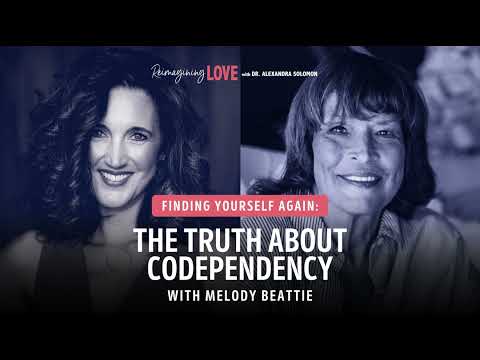
You know that feeling when you stumble upon something that just clicks? Well, that’s how I felt the first time I read Melody Beattie.
Her insights on family and mental wellness are like a warm hug. Seriously, they touch on stuff we all go through but don’t really talk about.
I mean, families can be complicated, right? Sometimes they lift us up and other times, they pull us down. That’s where Beattie comes in—she gets it.
So if you’re curious about how family dynamics play into mental health, stick around! You might just find a little inspiration or maybe even a new perspective.
Exploring the Journey of Melody Beattie: Insights into Her Life and Contributions to Mental Health
Melody Beattie is quite a name in the realm of mental health. When you think about her, you’re likely to associate her with the concept of codependency. She has this ability to put complex feelings into words that really resonate with people. You know? It’s like she gets it—how tangled relationships can be and how they affect your mental wellness.
Born in 1948, Beattie faced her share of challenges early on. She grew up in a pretty difficult environment, battling issues like addiction and loss. This background probably shaped her perspective on emotional struggles and connection. And let’s face it—who wouldn’t be impacted by that kind of life?
One of her biggest contributions has been the book «Codependent No More.» Seriously, if you haven’t read it, it’s a game-changer for folks dealing with codependency or anyone who feels like they’re always putting others first at their own expense. In this book, she outlines what codependency looks like and how to break free from those patterns.
But it’s not just about the struggle; there’s also hope there! She emphasizes self-care and setting boundaries as essential steps toward healing. That idea can be super freeing! Imagine being able to say “no” without feeling guilty? That’s big!
Another important aspect of her work is the focus on family dynamics. Beattie dives deep into how our families shape us—both positively and negatively. You see situations where family members enable unhealthy behaviors or create stress within the family unit itself. She encourages readers to explore these dynamics honestly without judgment.
Another interesting takeaway from her work is the emphasis on personal responsibility. Look, nobody’s perfect—everyone makes mistakes—but learning to own up to them can be so liberating! It opens up paths for growth and better relationships.
Beattie’s work goes beyond just books; she also gives talks and workshops that focus on awareness and recovery from addiction/codependency issues. She speaks from experience, which often makes her insights feel even more relatable.
In a world where mental health issues are unfortunately common, Beattie’s approach offers tools for navigating personal challenges while also addressing broader family dynamics. Her voice really emphasizes that while battles might feel isolating, you’re not alone—and there are ways out.
So yeah, Melody Beattie’s journey illustrates how personal history intertwines with professional insights into mental health. Her writing encourages healing through self-awareness while placing significant importance on healthy relationships—not just with others but also with yourself! It’s all connected in ways that matter deeply for anyone looking to find balance in their lives.
Exploring the Personal Life of Melody Beattie: Who is Her Husband?
Melody Beattie is definitely a well-known figure when it comes to self-help and recovery, especially in the realm of addiction and family dynamics. Her work on codependency has helped countless people find their way. But you know what? When talking about her personal life, especially her husband, it might not be as widely discussed.
Her husband, James Beattie, has been a significant part of her life. They’ve been through a lot together, which surely adds another layer to her insights on mental wellness and family relationships. Having someone who supports you while you’re navigating such intense emotional topics is beyond important.
Now, here’s something interesting about their relationship. James has always stood by Melody during her journey through recovery. It’s like, they are two people who faced challenges together and learned from each other in the process. Talk about partnership!
Melody often emphasizes the importance of having supportive relationships in one’s life—she feels that it’s vital for mental health. With that being said, James seems to embody that concept perfectly.
In some interviews or writings, she has mentioned how crucial it was for her to have someone who understood her struggles with codependency. You can imagine the layers of complexity when you’re both working through personal growth while also being a couple.
However, they also value their individual identities within their marriage. That’s super important too! It keeps things balanced and healthy.
In summary, Melody Beattie isn’t just an author; she’s a person with real-life experiences shaped by love and support from James Beattie. This dynamic really illustrates what she teaches: healthy relationships can play a huge role in our overall wellness and growth as individuals.
So next time you’re diving into one of her books or teachings on family dynamics and mental wellness, consider how much those insights may have been influenced by her own journey alongside James!
Understanding Co-dependency: Insights from Melody Beattie’s Perspective
Co-dependency is one of those terms that gets thrown around a lot, but it’s deeper than just someone being too clingy or needy. When you look at Melody Beattie’s insights, you find a powerful perspective on how co-dependency impacts relationships and personal wellness. She’s written extensively about this stuff, especially in her book “Codependent No More,” which has helped so many people understand their patterns and break free from unhealthy dynamics.
So, what is co-dependency, really? Basically, it happens when you focus so much on other people that you lose sight of your own needs. You might end up trying to fix or control others to feel good about yourself. It’s like you’re putting their happiness above your own, often at the cost of your emotional well-being.
Beattie emphasizes several key points about co-dependency:
What happens when you’re in a co-dependent relationship? You might end up feeling exhausted and unfulfilled. Picture this: Sarah always takes care of her friend who struggles with addiction. While she believes she’s being supportive, she ends up feeling drained and resentful because all of her energy goes into helping him instead of living her life.
Beattie also talks about the importance of assertiveness. Learning to say «no» is crucial for breaking free from these patterns. It’s tough at first—trust me! But when you start asserting your needs, it feels liberating. It’s not selfish; it’s necessary for mental health.
Admitting that you’re being co-dependent can be uncomfortable too. It’s like a slap in the face sometimes when you realize you’ve lost yourself while trying to be there for someone else. But acknowledging this is a big step towards recovery.
In therapy—or even just through self-help—people learn to recognize their patterns, take control of their lives again, and develop healthier relationships without losing themselves in the process.
Beattie’s work sheds light on how important it is to prioritize your emotional health while still caring for others. It’s an ongoing journey towards balance; knowing when to step back can be just as vital as knowing when to step in.
So yeah, understanding co-dependency isn’t just about labeling someone as clingy; it’s about recognizing those patterns within ourselves that might be holding us back from living our best lives!
Melody Beattie has this incredible way of weaving together the threads of family dynamics and mental wellness. You know, it’s like she gets that, in our families, the ups and downs don’t just affect us individually—they ripple out and touch everyone involved. I remember reading her book «Codependent No More,» and it hit home. It made me think about how my own family struggles shaped my understanding of love and support.
She talks about codependency a lot, which is basically when you get so wrapped up in someone else’s life that you lose sight of your own. There was this moment when I realized I’d been doing that with my sister for years—always prioritizing her needs over mine. That kind of love can feel noble at first but eventually leaves you drained and resentful. Beattie sheds light on how we can break those chains while still caring for our loved ones.
What’s really refreshing is her emphasis on boundaries. Establishing them isn’t about shutting people out; it’s more like making room to breathe. You don’t have to give every last drop of yourself to be a good family member or friend. Learning from Beattie feels like an invitation to embrace your own well-being alongside those you love.
Another aspect she dives into is the importance of self-care—it sounds cliché but stick with me here! When we’re overwhelmed by family issues, we can lose ourselves in wanting to fix things or hold everything together. But Beattie reminds us that taking time for ourselves isn’t selfish; it’s essential for long-term mental health.
Honestly, some lessons might sting a bit at first, but they’re super important for growth—like realizing it’s okay to say no sometimes or admitting you need help too. Her insights push us to reflect on our relationships deeply instead of just skating over the surface.
In a world where family ties can sometimes feel like both safety nets and shackles, Beattie gives us hope that healing is possible—not just for ourselves but also for those we care about. It’s all about finding balance, right? And as tough as it may be sometimes, embracing that journey makes us stronger individuals and better family members in the long run.