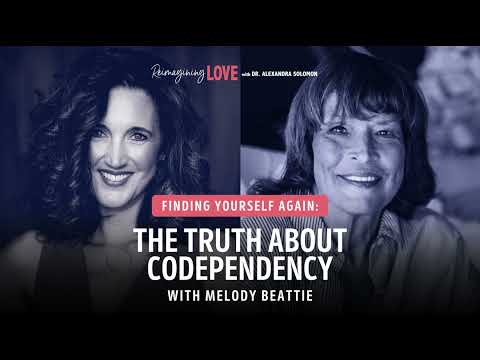
You know, it’s funny how we all have that one friend who just can’t say no. They’re always putting everyone else first, right? Well, that’s a big piece of what Melody Beattie talks about when it comes to codependency.
So, here’s the thing: codependency isn’t just a buzzword. It’s like a tangled web of emotions, behaviors, and relationships. And Beattie? She totally helped bring this topic into the light.
In her books, she dives deep into the struggles people face when they prioritize others over themselves. It’s raw, real stuff that many can relate to. You’ve probably seen it in your own life or maybe even felt it yourself.
Let’s take a closer look at what she’s done for therapy and why her work still resonates today!
Understanding Codependency: Melody Beattie’s Insights and Definitions
So, let’s talk about codependency. You might have heard the term thrown around in conversations about relationships, but what does it actually mean? Well, Melody Beattie has been a huge voice in defining this concept and shaping how we understand it. Her work has really paved the way for how codependency is viewed in therapy today.
Codependency typically refers to a relationship pattern where one person feels responsible for another’s emotions or behaviors. It’s like having that friend who can’t seem to make a decision without checking with you first. In her writing, Beattie describes codependents as often sacrificing their own needs to meet the needs of someone else. This can lead to unhealthy dynamics and a sense of loss about your own identity.
Beattie identifies some key characteristics of codependent behavior:
- People-pleasing: This is when you go out of your way to make others happy, sometimes at the expense of your own happiness.
- Low self-esteem: You might not feel good enough unless you’re helping someone else or being needed.
- Difficulties setting boundaries: It’s tough for you to say “no,” even when saying “yes” could hurt you.
- Anxiety: The worry about how others react can drive you into overthinking and feeling stressed.
Let me share a quick story with you. I once knew someone who would jump into action every time their partner had a bad day. They’d drop everything—work, plans with friends—just to be there for them. At first, it seemed loving and supportive. But soon enough, this person’s own needs were totally sidelined, leaving them feeling drained and resentful.
Beattie’s work emphasizes that understanding codependency isn’t just about pointing fingers or blaming anyone; it’s about recognizing these patterns so we can start changing them. She encourages people to focus on self-care and building healthy relationships where both parties thrive individually.
Another aspect that Beattie highlights is the recovery journey from codependency. It’s not an overnight fix; it takes time and effort. Learning to put yourself first can feel weird at first—but eventually liberating! Think of it like dusting off an old bookshelf; once you remove what no longer serves you, there’s space for something fresh.
Also worth noting is that although codependency is often discussed in romantic relationships, it can pop up in friendships or family ties too. The bottom line is—it’s all about balance! If one person is always giving while the other takes without consideration, that’s when issues arise.
So yeah, understanding codependency through Beattie’s insights helps illuminate those shadowy corners of our relationships—but more importantly, it provides pathways toward healthier interactions where everyone feels valued and respected!
The Journey of Melody Beattie: A Look at Her Impact on Mental Health and Recovery
Melody Beattie is a name that pops up a lot when you start digging into mental health and recovery, particularly around the idea of codependency. Seriously, her work has shaped how many people see and understand this concept. So let’s take a closer look at her journey and the impact she’s had on therapy and recovery.
Beattie’s story began during some tough times in her life. After struggling with her own codependent behaviors—like feeling responsible for others’ emotions and their happiness—she found herself drawn to writing. That’s when everything started to change for her. In 1986, she published “Codependent No More”, which would go on to be a game changer in the field of mental health.
This book was kinda like handing people a flashlight in a dark room. It helped them see just how codependency affects relationships. You know, it’s not just about being overly dependent on someone else; it also involves losing yourself in an attempt to help others. Beattie opened the door for many folks to recognize their patterns of behavior, giving them permission to prioritize their own needs too.
In “Codependent No More”, she offers real-life examples that hit home for many readers. This wasn’t just theory; it was relatable stuff that resonated deeply with people who felt trapped in unhealthy relationships or familial dynamics. You could say she gave voice to what so many were feeling but couldn’t articulate.
Another significant impact of Beattie’s work is how it has influenced therapy approaches over the years. Therapists have picked up on her ideas and woven them into their practices, focusing on helping clients develop healthier boundaries and self-esteem. Her concepts have permeated support groups like Al-Anon and other recovery frameworks as well.
But that’s not all! Beattie didn’t stop at codependency; she expanded her focus over time to include wider themes around self-care and emotional healing. Books like The Language of Letting Go stress the importance of letting go of toxic relationships which can really drain your energy over time.
As we talk about mental health today, you might notice more discussions about these ideas she championed. From social media posts sharing quotes from her books to workshops dedicated specifically to “codependency recovery,” Melody Beattie has left a huge mark on the landscape of mental health awareness.
So here’s what makes Beattie stand out: She made complex emotions easier for everyday people to grasp, turning psychological jargon into something relatable speach. Her focus on healing isn’t just about fixing yourself but learning how to nurture who you are while being compassionate toward your struggles.
In summary, Melody Beattie has played an instrumental role in shifting our understanding of codependency and fostering an environment where healing is possible—not just for individuals but also within families and friendships too! The transformation started with her own experiences turned into powerful words that continue guiding countless individuals toward healthier lives today.
Understanding Co-Dependency: Insights from Melody Beattie’s Perspective
Co-dependency can be a pretty tricky concept, right? It’s that dysfunctional relationship dynamic where one person relies on another for their emotional needs. Melody Beattie really put this idea on the map back in the ’80s with her book «Codependent No More.» She helped a lot of folks understand how these patterns work.
When we talk about co-dependency, we’re not just looking at a person who feels responsible for someone else’s life choices. It’s deeper than that. It’s like a pattern where you lose sight of your own needs because you’re so focused on fixing or helping someone else.
You know that feeling when you’re constantly worried about a friend? Like, they can’t make decisions without you stepping in? That’s classic co-dependent behavior. You might find yourself sacrificing your happiness for their comfort, which just isn’t healthy.
Beattie emphasizes that awareness is the first step in breaking these patterns. She encourages people to recognize their own feelings and understand that it’s okay to prioritize themselves. Imagine trying to fill your cup from an empty pitcher; it just won’t work out well for anyone involved.
On top of awareness, there’s the importance of boundaries. Setting boundaries means knowing where your feelings end and someone else’s begins. If you’re always bending over backward to support someone who doesn’t want help, it can drain you fast. Beattie talks about learning to say «no» without guilt—a game-changer for reclaiming your life.
Another big thing she highlights is the need to develop self-esteem. Many co-dependent individuals struggle with self-worth because they tie it directly to how they’re perceived by others. Finding value in who you are, independent from others’ opinions or feelings, is super vital.
And here’s an emotional nugget: think about a person whose whole identity hinges on taking care of their partner battling addiction or mental health issues. They might feel proud from being “the rock” but inside, they’re crumbling because their own needs are ignored. It’s heartbreaking but alarmingly common.
In therapy settings influenced by Beattie’s ideas, co-dependency is addressed as part of a larger conversation around healthy relationships and self-care practices. The goal isn’t just to fix the other person but also to guide individuals toward finding balance and fulfillment within themselves.
To sum up: understanding co-dependency involves recognizing patterns, establishing boundaries, cultivating self-worth, and prioritizing personal needs alongside those of loved ones. So yeah, Beattie’s work sheds light on this complex yet relatable human experience—she really got us thinking about how our connections with others affect our mental health in profound ways!
So, let me tell you about Melody Beattie. If you’re into the whole self-help and therapy scene, you’ve probably heard her name pop up a lot. She’s basically this powerhouse in understanding codependency and how it ties into our relationships, especially in the context of addiction and emotional struggles.
Back in the day, Beattie released this game-changing book called “Codependent No More.” Seriously, it was like a light bulb for so many people. She opened up this whole conversation about how some of us kinda lose ourselves in trying to help others—putting their needs way ahead of our own. You know? It’s like being a human doormat because you think that’s what love looks like.
I remember chatting with a friend who was all wrapped up in a relationship with someone who had addiction issues. She was just constantly running herself ragged, trying to make everything better for him, ignoring her own feelings. Then she read Beattie’s book and it hit her hard. She started realizing that her constant caretaking wasn’t really helping either of them; it was suffocating her and enabling his problems. It made me think about how sometimes we can get stuck in these cycles without even realizing it.
Beattie emphasizes that recognizing codependency is step one—it’s not all about blaming your partner or your upbringing or whatever else we like to point fingers at. It’s about owning your part too! I mean, once my friend got that insight, things shifted for her. She began setting boundaries—like actual lines in the sand—where she could assert herself without guilt.
And here’s where things get pretty interesting: therapy has evolved so much since Beattie first wrote about this stuff. Therapists now use many different approaches to help clients untangle from those codependent patterns while also addressing other issues like self-worth or anxiety—kinda blending old-school talk therapy with newer techniques like cognitive-behavioral stuff or even mindfulness practices.
Honestly, though? It makes sense why this topic resonates so deeply with folks today. We live in a world where relationships can feel super complicated, and wanting to help those we love seems noble but can spiral into something heavy if we’re not careful. Plus, as more people open up about mental health issues and their experiences, recognizing codependency feels more relevant than ever.
So yeah, kudos to Beattie for shedding light on all of this! I think it’s really cool how she’s sparked conversations and awareness around codependency over the years—and how much we’ve grown since then as we keep digging deeper into what healthy relationships actually look like.