Hey there! So, let’s chat about memory. You know, that thing we all kinda take for granted until we can’t find our keys or forget why we walked into a room?
Memory is a big deal in psychology and mental health. It shapes our lives in ways we don’t even realize. Seriously, think about it: your favorite childhood memories, those awkward moments you wish you could erase—everything’s tied to your memory.
But sometimes, our memory isn’t so reliable. That’s where memory assessment tests come in. They can help figure out what’s going on up there in your noggin. Ever heard of them? Well, let’s break it down together!
Understanding Memory Assessment: Key Tests in Psychology for Evaluating Memory Function
Memory is a fascinating part of our mental landscape. It helps you remember everything from where you left your keys to your best friend’s birthday. But sometimes, memory can get tricky, like when you forget what you walked into a room for. In psychology, there are some neat tests to help figure out how well your memory is working and what might be going on if it’s not.
One of the key players in memory assessment is the **Wechsler Memory Scale (WMS)**. This test checks different types of memory—like short-term memory, long-term memory, and working memory. It’s sort of like a big exam for your brain. The thing is, it’s not just about recalling random facts; it also looks at how you use that information in real-life scenarios.
Another test to pay attention to is the **California Verbal Learning Test (CVLT)**. This one really dives into verbal learning and recall—so basically how well you can learn words and then remember them later. Imagine trying to remember a list of grocery items without looking; if that gives you stress, this test approaches it systematically! You would try to learn some words over a few trials, and then recall them later.
Moving on, we have the **Rey-Osterrieth Complex Figure Test**. Sounds fancy, right? What actually happens here is that you’re asked to copy a complex figure first and then reproduce it from memory after some time has passed. It tests visual-spatial skills and both immediate and delayed recall. You can think of it as drawing a picture from memory—but with way more pressure!
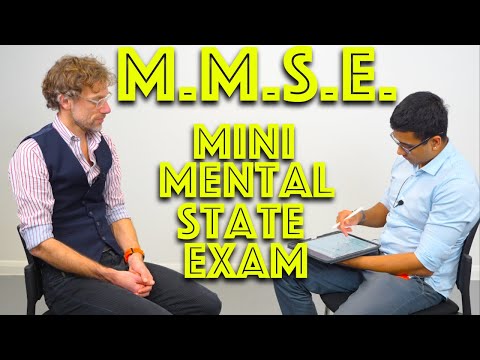
Then there’s the **Mini-Mental State Examination (MMSE)** which checks cognitive function overall but includes some aspects of memory too. Patients might be asked things like: «What day is it?» or «Please repeat these three words.» If this feels basic, that’s because it’s designed to be quick yet effective for screening cognitive issues.
Memory assessments are particularly important when there’s concern about conditions like dementia or other cognitive impairments. When someone forgets recent events or struggles with daily tasks they used to handle easily, these tests help professionals figure out what’s happening under the hood.
Remember that getting assessed isn’t just about passing or failing—it’s more about understanding yourself better and figuring out what can help improve your memory if needed. So if you’re worried about your own memory or know someone who might be struggling with theirs? These tests could provide some valuable insights into their cognitive health!
Unlocking Cognitive Insights: Understanding the 5 Things Memory Test
Memory is such a fascinating thing, right? You know, it’s like our brain’s little filing cabinet where we store all those moments and bits of information. But sometimes, it gets a bit cluttered, and that’s where memory assessment tests come into play. These tests help professionals figure out how well your memory is working and if there might be any underlying issues.
One of the popular tools used in this area is called the **5 Things Memory Test**. So, what is it exactly? Well, this test typically involves asking you to remember a short list of five unrelated words after hearing them once. After some time passes—maybe 5 or 10 minutes—you’re asked to recall those words. Sounds simple? Yeah, but it can reveal a lot about how your memory functions.
The **5 Things Memory Test** isn’t just about recalling words; it actually taps into different types of memory functions:
- Immediate recall: That’s when you try to remember the words right after they’re presented.
- Delayed recall: This checks your ability to remember the same words after a short break.
- Recognition: This is about identifying the correct words from a list that includes distractors.
- Working memory: It looks at how well you can hold onto new information while juggling other tasks.
- Long-term storage: This assesses what sticks with you over time.
When psychologists use this test, they’re looking for signs of everything from normal age-related changes to more serious conditions like Alzheimer’s disease or other forms of dementia. It’s kind of like checking the engine light on your car; if something’s off, it’s wise to take a closer look.
Now let me tell you—a friend of mine recently took this test during her health check-up after feeling forgetful lately. She was nervous but discovered she was okay overall! Just stress had been messing with her focus more than anything else. Feeling relieved can change your outlook for sure!
So if you’re wondering why someone would go through this whole testing process—it’s all about understanding how things are working inside that amazing brain of yours. And knowing where memory issues might crop up can really help in figuring out next steps for improvement or coping strategies.
Memory tests like these are also used in various settings: schools for learning disabilities, hospitals for cognitive assessments after an injury—just so many ways they can be applied! In any case, understanding how memory works and getting insights from tests can open doors for better mental wellness practices down the road.
So next time someone mentions cognitive assessments or talks about their memories getting a little fuzzy, maybe you’ll have some more clarity on what they mean—and why it matters!
Top Psychological Tests for Assessing Memory and Mental Status
When it comes to figuring out how well someone’s memory and mental status are working, psychologists use a bunch of different tests. These tests can give insight into things like attention span, recall ability, and overall cognitive function. Let’s break down some of the most commonly used ones.
Mini-Mental State Examination (MMSE) is probably one of the most famous tests out there. It’s quick and effective. You’ll find questions about orientation (like what day it is), short-term memory (like repeating back a list of words), and even some simple math or language tasks. It helps gauge if there are any red flags in someone’s cognitive abilities.
Another popular tool is the Montreal Cognitive Assessment (MoCA). This one goes a bit deeper than the MMSE. It assesses various cognitive domains including memory, attention, language, and visuospatial skills. People often take this test if they’re worried about early signs of dementia or other cognitive disorders.
Then you’ve got the Wechsler Memory Scale. This bad boy dives into more detail by looking specifically at memory capabilities. It breaks down areas like immediate recall, delayed recall, and recognition memory. So if someone struggles with remembering bits of info after a few minutes, you’ll see that here pretty clearly.
Another interesting one is the Rey Auditory Verbal Learning Test. The idea behind this test is simple: you’re given a list of words to learn and recall after several trials—so it’s all about seeing how much info sticks in your brain over time.
And let’s not forget about the Boston Naming Test. This one’s all about language skills; it requires you to name pictures of objects presented to you. It can be really useful for spotting aphasia or other language issues that might indicate broader cognitive problems.
Every person’s journey through mental health can be so different, you know? Sometimes folks take these tests because they’ve been having trouble remembering things lately or maybe their family has noticed changes that concern them. A client once shared that they felt like their brain was ‘fuzzy.’ After going through some assessments like these, they realized it wasn’t just stress—it was time to see what was happening upstairs!
So yeah, these tests are crucial tools in understanding someone’s mental status and memory capabilities. They help therapists figure out what’s going on in someone’s mind so that they can tailor treatment plans accordingly—no cookie-cutter solutions here!
You know, memory can be such a tricky thing. It’s like, one minute you’re recalling that embarrassing thing you did in high school, and the next, you totally forget what you walked into the room for. Memory assessment tests in psychology try to take a closer look at how we remember things and why sometimes it just goes haywire.
I remember a friend of mine went through some serious stress and started having trouble remembering dates and names. It really messed with her confidence. So she decided to go see a therapist. That’s when she learned about these assessments. They’re designed to evaluate different types of memory—like short-term versus long-term—and they can help identify any specific issues.
These tests might seem intense, but they usually aren’t scary or anything like that. You might find yourself doing some puzzles or even repeating back words or lists. It’s kind of like being tested for school but way less pressure! The great part is that understanding your memory better can help guide treatment or strategies to improve it if there are issues.
But here’s the thing: it’s not just about finding weaknesses; these assessments can also highlight strengths! If someone is great at remembering faces but struggles with names, knowing this can lead to practical strategies—like using associations—to help bridge those gaps.
Memory is so tied to our identity and experiences, right? When parts of it start faltering, it can feel like we’re losing pieces of ourselves. That’s why getting assessed isn’t just a clinical check-up; it can be really validating too.
In a world that’s often buzzing with distractions, understanding memory feels more important than ever. These tests give us clarity amidst the chaos of mental health challenges. So yeah, if you’re ever feeling off with your memory, don’t hesitate to talk to someone about it—it could end up being a game-changer for how you see yourself and navigate life each day!