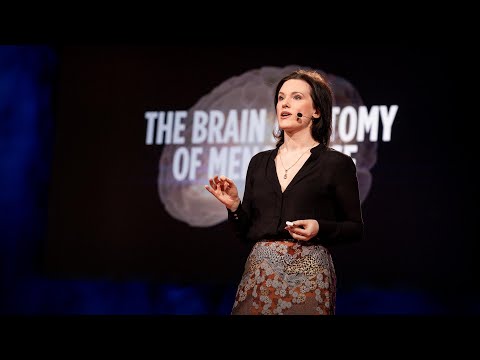
Hey there! You know that feeling when your brain just feels… cloudy? Like, one minute you’re totally focused, and the next, it’s like someone hit the pause button? Yeah, that’s what some folks experience during menopause.
It’s a tricky time, isn’t it? Hormones are doing their thing, and suddenly you might feel a little lost in your own thoughts. Brain fog isn’t just annoying; it can really mess with your day-to-day life.
But don’t worry! You’re not alone in this. Let’s chat about what menopause and brain fog mean for mental health. It’s all about figuring out how to navigate these changes together. Sound good?
Top Supplements to Combat Menopause Brain Fog: Enhance Mental Clarity Naturally
Menopause can feel like an emotional rollercoaster, right? Along with the hot flashes and mood swings, many women experience something called **brain fog**. This is basically when your mind feels fuzzy, and you can’t focus the way you used to. It’s like trying to remember a joke but only coming up with the punchline. Frustrating!
So, let’s chat about some natural supplements that might help clear that fog away and boost your mental clarity without relying on medications.
1. Omega-3 Fatty Acids
These are found in fish oil and flaxseed. They’re known for supporting brain health. Some research suggests they can help improve memory and cognitive function during menopause. If you’re not a fan of fish, you could try flaxseed oil or take a supplement.
2. Vitamin D
Vitamin D isn’t just for bones; it plays a role in brain health too. Many women find themselves low in this vitamin during menopause. Getting enough vitamin D might help support mood and cognitive function—definitely something to keep an eye on.
3. B Vitamins
These little powerhouses are super important for brain health! Vitamins B6, B12, and folate can help with energy levels and cognitive function. You could get these from foods like leafy greens or even take a B-complex supplement if you’re feeling particularly drained.
4. Ginkgo Biloba
This herb has been used for ages to boost brain circulation and support memory functions. Some people swear by it for reducing brain fog during menopause since it may enhance overall mental clarity.
5. Rhodiola Rosea
This adaptogen might help reduce fatigue and improve mood during stressful times—like navigating life changes during menopause! A little more energy can go a long way in helping clear up that mental haze.
Now, it’s worth mentioning—you should really chat with your healthcare provider before diving into any new supplements. Everyone’s body is different; what works wonders for someone else might not be what you need.
I remember chatting with my friend who went through menopause last year; she felt lost sometimes due to the brain fog creeping in regularly—like when she forgot her own phone number! After trying some of these supplements under her doctor’s advice, she noticed sharp improvements in her focus and memory. It was amazing to see her regain that spark!
In short, tackling menopausal brain fog naturally is all about finding what works for you personally while also maintaining communication with your healthcare team. Supplements like omega-3s, Vitamin D, B vitamins, Ginkgo Biloba, and Rhodiola Rosea could potentially make a difference as you navigate through this phase of life with all its ups and downs!
Effective Treatments for Post-Menopause Brain Fog: Tips to Clear Your Mind and Boost Cognitive Function
Post-menopause brain fog can be a frustrating experience. It’s like you’re living in a foggy haze where thoughts slip away just when you need them. This cognitive cloudiness often occurs after menopause due to hormonal changes that affect brain function. But there are effective treatments and strategies to help clear your mind.
Hormone Replacement Therapy (HRT) is one option that some people consider. It aims to balance hormone levels and can sometimes alleviate those pesky cognitive symptoms. However, it’s important to have an honest chat with your healthcare provider about the pros and cons since HRT isn’t for everyone.
You might also want to try cognitive exercises. Activities that challenge your brain, like puzzles or learning a new language, can be surprisingly helpful. Engaging your mind in different ways keeps those neurons firing and might just bring clarity back into the picture.
Lifestyle changes play a huge role too! Regular exercise can boost blood flow to the brain, enhancing cognitive function. Even something as simple as taking walks—seriously, just walking regularly—can help sharpen your focus and improve your mood.
Don’t forget about nutrition either. A well-balanced diet rich in omega-3 fatty acids, antioxidants, and vitamins can support brain health. Think about adding walnuts, berries, or fatty fish like salmon into your meals. They’re good for more than just taste; they help keep your mind sharp!
And here’s something often overlooked: hydration. Dehydration can lead to feelings of fatigue and lack of focus. So make sure you’re drinking enough water throughout the day; it sounds simple but trust me, it helps!
If symptoms persist and really impact your daily life, consulting a mental health professional is important too. They can offer therapy options—like cognitive behavioral therapy (CBT)—which has been shown to help people manage symptoms related to cognitive decline.
Wellness practices such as mindfulness meditation are also gaining popularity for improving focus and reducing stress levels. Just taking even a few minutes each day to meditate or practice deep breathing can create more mental clarity in the long run.
Lastly, remember you’re not alone in this journey! Sharing experiences with friends who understand can provide immense emotional support. You never know—just talking things out might lighten that mental load.
In summary: Navigating post-menopause brain fog doesn’t have to feel overwhelming. By considering hormone therapy if appropriate, engaging in cognitive exercises, making lifestyle changes like diet and exercise, staying hydrated, seeking professional guidance when needed, practicing mindfulness techniques, and connecting with others for support—you’ve got options! Moving through this stage of life doesn’t have to mean losing your mental edge; you’ve got what it takes to clear that fog away!
Understanding Menopause Brain Fog: Duration and Strategies for Clarity
Menopause can be a real rollercoaster, you know? You might be dealing with hot flashes and mood swings, but something that often flies under the radar is **brain fog**. You know how it feels when you’ve walked into a room and forgot why? Well, that’s kinda what menopause brain fog is all about.
So, what’s happening here? When you’re going through menopause, your hormone levels—especially estrogen—are shifting dramatically. This can affect your brain’s chemistry and how it processes information. It might feel like you’re losing your sharpness or struggling to focus. Seriously, I had a friend who couldn’t remember where she left her keys half the time! Frustrating, right?
Now, about the **duration** of this brain fog—it varies from person to person. For some folks, it can last just a few months during the transition into menopause. Others might experience it for several years. The thing is that each woman’s journey is unique. Just because your friend went through it for six months doesn’t mean you’ll be done in the same amount of time.
Here are some *strategies* that could help clear up that cloudiness:
And while these tips are helpful, talking to a healthcare professional can give you even more tailored strategies! Sometimes they may recommend things like hormone replacement therapy if it’s necessary for you.
Let’s be real: dealing with menopause brain fog isn’t easy. It can drive you nuts when you’re trying to juggle everything on your plate—work, family life—you name it. Just remember that you’re not alone in this and there are ways to support yourself through it! Focusing on self-care and community support (like chatting with friends who get what you’re going through) might make things feel a tad better.
So take care of yourself as best as you can during this transition—it really does get better when you find what works for you!
Menopause can be a wild ride, right? One minute you’re cruising through life, and the next, you feel like your brain’s been replaced with a foggy sponge. Seriously, brain fog is one of those sneaky little challenges that can pop up during menopause, and it can really mess with your day-to-day.
You might be thinking about how you used to multitask like a pro—juggling work deadlines, keeping track of family schedules, or remembering that one friend’s birthday. But now? Well, it’s kind of like trying to remember a dream you had last night. The details are hazy and just slip right out of your mind.
I remember chatting with my aunt about this while we were baking cookies—her famous chocolate chip ones. She was struggling to recall where she’d put her measuring cup. It wasn’t just the cup; she was forgetting names and words too! At first, we laughed about it; I mean, who doesn’t lose stuff in the kitchen? But then she got serious. She felt overwhelmed by this constant sense of forgetfulness, like she was losing chunks of herself along with her estrogen levels.
What’s happening here is pretty complex. During menopause, hormone fluctuations can impact neurotransmitters—the chemicals in our brains that help with mood and cognition. It’s not just physical changes; it’s emotional too. You may feel more irritable or anxious on top of the cloudiness in your head.
But here’s the thing: you’re not alone in this! Many people go through similar experiences. It’s okay to talk about what you’re feeling instead of brushing it under the rug. Maybe chat with a friend or reach out for professional support if it’s getting heavy on your chest.
Also, consider some self-care strategies that could help clear up that fog a bit—like regular exercise (I know it can be tough), getting enough sleep (easier said than done), or even mindfulness practices like meditation or yoga. These can help ground you amidst hormonal chaos.
At the end of the day, navigating menopause isn’t just about dealing with physical symptoms; it’s also about acknowledging our mental health challenges too. So when you’re feeling lost in a haze? Just know there are ways to find clarity again—kind of like waiting for that moment when you finally remember where you put those darn cookies!