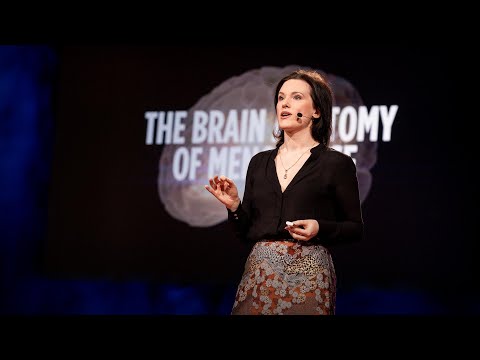
Hey, have you ever noticed those little brain farts that seem to pop up outta nowhere? You know, like forgetting where you left your keys or that word that’s right on the tip of your tongue?
Well, if you’re going through menopause, you might be experiencing this more than usual. Seriously, it can feel like your brain is playing hide and seek with your memory.
Let’s talk about this whole menopause and memory fog thing—not just the physical changes, but how it can mess with your mind and mood too. Because it’s not just a giggle about forgetting stuff, it goes deeper than that.
So grab a cup of coffee or tea (or whatever floats your boat), and let’s unpack what’s happening up there in your head during this time. You might find some stuff really resonates!
Understanding Menopause: Will Brain Fog Ever Fade Away?
Menopause can be like that unexpected guest who overstays their welcome. You know, when everything feels a bit off, especially in your head? One of the common complaints during this time is “brain fog.” So let’s talk about what’s going on up there and whether you can expect things to clear up.
First off, what is brain fog? It’s not an official medical term, but it describes feelings of confusion, forgetfulness, or lack of focus. Think about those moments when you walk into a room and forget why you’re there, or have trouble finding the right words in conversation. Annoying, right?
During menopause, hormone levels—especially estrogen—take a dive. This drop can mess with brain chemistry. Research suggests that estrogen influences neurotransmitters like serotonin. And since serotonin helps regulate mood and cognition, it makes sense that hormonal swings could contribute to these fuzzy feelings.
So, when does this brain fog happen? You might notice it during perimenopause—the phase leading up to menopause—when hormone levels are fluctuating wildly. Or even after menopause kicks in full gear as your body adjusts to the new normal.
Now let’s get real for a second. Ever had one of those days where your brain felt like molasses? It might’ve been frustrating enough to make you question if you’re losing it! Well, many women report cognitive changes during this time. In fact:
- Memory issues: You might forget appointments or names more often.
- Distractibility: Finding it hard to concentrate on tasks? Totally normal.
- Mood swings: Stress and anxiety can make everything feel harder.
It’s not just about remembering things; it’s about how menopause impacts your mental health overall. It can be tough because when you’re feeling down about your memory, it can lead to a cycle of stress that makes things worse. Talk about a double whammy!
Now for the big question: will brain fog ever fade away? Most women find that these symptoms improve once they’ve fully transitioned through menopause—usually within 1-2 years after the last period hits! However, some may still experience lingering effects longer than that.
Don’t lose hope! There are ways to manage this foggy feeling too:
- Lifestyle changes: Regular exercise and good nutrition can help boost cognitive function.
- Meditation: Mindfulness practices may improve focus and reduce stress.
- Sufficient sleep: Prioritizing rest is crucial; sleep deprivation just adds fuel to the fire!
If you find these strategies don’t help much or if your symptoms feel overwhelming, consider chatting with a healthcare professional. They can provide options tailored just for you—whether that’s lifestyle advice or discussing potential treatments.
Ultimately, remember: you’re not alone in this journey through menopause and its quirks. Brain fog doesn’t define you; it’s just one piece of the puzzle while navigating some big life changes. Hang in there! Things usually get better with time and care.
Understanding the Connection: Can Menopause Symptoms Mimic Dementia?
Menopause is a natural phase in a woman’s life, but it can come with some pretty tricky symptoms. One of those symptoms you might not expect is something called «memory fog.» It’s like your brain goes into a bit of a haze, making it hard to think clearly or remember things. This can sometimes feel a lot like the early signs of dementia, which is super concerning for many women.
So, what’s really going on? Well, during menopause, your body experiences major hormonal shifts—especially with estrogen. Estrogen plays a key role in brain function and memory. When levels dip, which is totally normal as you approach menopause, you might notice some cognitive changes. You know how sometimes you walk into a room and forget why? That can happen more often during this time.
There are some common symptoms that can mimic dementia pretty closely:
- Memory Problems: Forgetting names or where you placed your keys.
- Difficulty Concentrating: Struggling to focus on tasks or conversations.
- Mood Changes: Increased anxiety or irritability that can cloud your thinking.
- Sleeplessness: Hot flashes and night sweats disturb sleep, leading to fatigue and confusion.
Experiencing these symptoms doesn’t mean dementia is lurking around the corner. It’s easy to freak out at first because society often links memory issues strongly with dementia. But remember, menopause is temporary; these cognitive hiccups usually improve as hormone levels stabilize post-menopause.
And get this—research shows that women who undergo hormone replacement therapy (HRT) may experience fewer memory-related issues during menopause. But HRT isn’t for everyone and has its own risks to consider—it’s best to chat with your doctor about what works for you.
Sometimes just understanding what’s happening in your body helps ease the worry. If you’re finding yourself extra forgetful or distracted lately, don’t hesitate to talk to someone about it. A mental health professional can help rule out depression or anxiety that might be adding to the fog.
In short, while menopause can bring on memory fuzziness that feels like something serious, it usually isn’t the same as dementia. Just know that these changes are part of the journey through this stage of life—and there are ways to manage them!
Understanding Memory Problems During Menopause: Causes and Insights
Memory problems during menopause can feel pretty frustrating, right? You might notice that you’re forgetting things more often or feeling a bit foggy. This is sometimes called “menopause brain” or “memory fog.” So, what’s going on? Well, let’s break it down.
One of the big players here is **hormonal changes**. As you go through menopause, your body produces less estrogen. This hormone isn’t just about reproductive health; it also plays a role in how your brain functions—especially memory and cognition. Seriously! When estrogen levels drop, some people experience those memory lapses or a general sense of fuzziness.
Another thing to consider is **stress and emotional changes**. Menopause can bring up a lot of feelings—mood swings, anxiety, even depression. If you’re feeling overwhelmed by all this, it can definitely impact your memory. For instance, if you’re constantly worried or stressed out about hot flashes or night sweats, your brain might be too busy processing those feelings to focus on other stuff.
Also, let’s not overlook **sleep disturbances**. Many women face sleep issues during menopause because of hormonal fluctuations. If you’re not getting enough sleep (or quality sleep), it can lead to forgetfulness and difficulty concentrating. It’s like trying to function after pulling an all-nighter—your brain just doesn’t work as well!
Here are some common causes behind memory problems during menopause:
- Hormonal Changes: Decreased estrogen impacts cognitive function.
- Stress: Emotional upheaval can lead to forgetfulness.
- Poor Sleep: Night sweats and insomnia affect overall brain performance.
So what can you do about it? First off, don’t panic! Many women experience these issues. It’s helpful to talk with someone who gets it—like a therapist or even friends who’ve been through similar experiences. Keeping your mind sharp also helps: simple things like puzzles or learning new skills can make a difference.
In the end, every body reacts differently to menopause. You might find that some strategies work better for you than others. Just remember: there’s light at the end of this tunnel! You’re not alone in this experience.
Menopause can be quite the journey for many women, and it’s not just about hot flashes and mood swings. Seriously, one of the less talked about symptoms is this pesky thing called memory fog. Have you ever found yourself in a conversation, struggling to remember a name or where you put your keys? Yeah, I’ve been there too.
So, what’s going on? When you hit menopause, your body goes through some major hormonal changes. Estrogen levels drop, which can affect brain function and memory. It’s kind of like trying to watch your favorite show with a fuzzy signal—everything’s there, but it just feels… off. You know?
I remember chatting with my friend Karen, who went through menopause last year. She told me she’d forget simple things like why she walked into a room or what she was supposed to buy at the grocery store. She was worried. Like seriously anxious about it! And it made her feel frustrated and powerless sometimes. I totally get that—feeling like your brain’s playing tricks on you must be so annoying!
But here’s the thing: memory fog during menopause isn’t just about memory loss; it’s also tied to stress and anxiety levels, which can ramp up during this time too! If you’re feeling overwhelmed or stressed out about all those changes, it’s no wonder your brain is a bit scrambled.
The good news is that you’re not alone in this strange foggy land. Many women experience similar feelings during this transition. Talking about it with friends or even seeing a therapist can help clear the air—or at least help make sense of what’s happening.
And there are ways to manage these symptoms as well! Keeping a journal can help capture those wandering thoughts that seem to vanish into thin air when you need them most. There are also lifestyle changes worth considering: regular exercise, mindfulness practices like yoga or meditation, and even incorporating brain-healthy foods into your diet.
Being aware of what’s going on in your body can empower you. So if you’re in this stage of life and feeling like you’ve lost a bit of that sharpness—don’t sweat it too much! Remember that this phase is just part of the larger picture—a new chapter with its own set of challenges and triumphs.
In the end, navigating menopause doesn’t have to be done alone; sharing experiences can make such a difference! Allowing yourself grace during this time might even lead to some unexpected clarity amidst all that foggy mess.