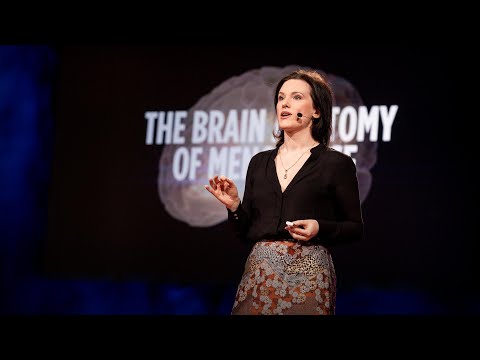
So, have you ever noticed how life gets a little… more complicated as we age? Like, one minute you’re cruising through, and the next, boom—menopause hits.
It’s not just about hot flashes and mood swings. Seriously! Your brain can feel like it’s on a wild rollercoaster ride too.
You might feel forgetful or anxious. It’s totally normal, but that doesn’t make it any less frustrating.
The thing is, understanding what’s happening up there can help a ton. Let’s chat about menopause and mental health—because you deserve to know what’s going on with your mind!
Understanding the Impact of Menopause on Mental Health: A Comprehensive PDF Guide
Menopause can be a tough transition. Alongside the physical changes, mental health often takes a backseat—though it really shouldn’t. It’s crucial to understand how menopause affects your mind just like it does your body.
First off, let’s talk about those **brain changes**. When estrogen levels dip, which happens during menopause, it can mess with neurotransmitters that regulate mood. This means you might feel more anxious or down than usual. And trust me, you’re definitely not alone if you’re experiencing this.
- Mood Swings: Many women report feeling irritable or emotionally volatile. One minute you’re fine, and the next, you’re crying over a cute cat video.
- Anxiety: With everything changing—sleep cycles, hormones—it’s not surprising that anxiety kicks in. You might find yourself worrying over little things more than before.
- Depression: For some, menopause can trigger symptoms of depression or make existing feelings worse. It’s easy to feel overwhelmed as life shifts gears.
- Cognitive Changes: Ever walked into a room and forgotten why? Memory issues and trouble focusing can spike during menopause due to hormonal changes.
So, what do you do with all this info? Recognizing these changes is key. Let’s say Sarah, who always felt confident at work, suddenly starts doubting herself even on simple tasks. That could be linked to her menopausal changes.
It’s tempting to brush it off as “just aging,” but these feelings deserve attention! Therapy could be super helpful here—talking things out might help clear the fog. Cognitive Behavioral Therapy (CBT), for example, is known to effectively tackle anxiety and depression.
And don’t forget about lifestyle shifts! Exercise can work wonders for mood stability and memory sharpness too. Something as simple as taking daily walks can help uplift your spirit and ease that mental haze.
In addition to therapy and exercise, consider staying connected with other women going through similar experiences; support groups are amazing! Hearing others’ stories can validate your feelings and remind you that you’re not in this alone.
Lastly, don’t hesitate to talk with your healthcare provider about symptoms affecting your mental health during menopause. They may suggest natural supplements or medications if needed because every woman’s experience is unique.
Navigating this phase of life doesn’t have to mean battling loneliness or confusion in your mind. Understanding the impact of menopause on mental health is an empowering step toward feeling better both mentally and physically!
Exploring Menopause and Mental Health: Key Statistics Everyone Should Know
Menopause is a natural phase in life, but it can really mess with your mental health. You know how sometimes you feel like you’re on a rollercoaster, all those ups and downs? Well, hormonal changes during menopause can turn that ride into a wild one. Let’s break it down.
First off, what’s happening? During menopause, estrogen levels drop significantly. This isn’t just about physical changes; it affects your brain too. Changes in hormones can lead to mood swings, anxiety, and even depression. Seriously, women going through this phase often report feeling more emotional than usual.
- Around 20-30% of women experience mood disorders during menopause.
- Anxiety becomes more common; studies show over 60% of menopausal women report increased anxiety symptoms.
- Depression rates can climb too—some research suggests they go up to 2-4 times compared to pre-menopausal levels.
You might be curious about what triggers these changes. Well, stressors like work pressures or family responsibilities can pile on top of hormonal fluctuations. It’s like adding fuel to the fire. It’s not uncommon to feel overwhelmed or out of control.
Sleep problems also play a major role during menopause. Many women struggle with insomnia or restless nights due to hot flashes or night sweats. When you don’t sleep well, everything feels harder—like dealing with anxiety and mood swings.
But here’s the thing: not every woman will have the same experience with menopause. Some glide through it pretty smoothly while others feel like they’re battling an emotional storm. Genetics and lifestyle factors play huge roles here.
- Mental wellness practices, like mindfulness and yoga, can ease anxiety.
- A good support system—friends or family—makes a difference.
- Nutritional choices, such as Omega-3 fatty acids found in fish, might help improve mood.
And let’s chat about therapy options because they’re super helpful! Cognitive Behavioral Therapy (CBT) specifically targets negative thought patterns which many women face during this time. That means you can learn ways to cope better and regain some control over your feelings.
So yeah, navigating menopause isn’t just about hot flashes or weight gain—it deeply impacts your mental health too. If you find yourself feeling off-balance during this time, remember you’re not alone in this journey! It’s totally okay to reach out for help when things get tough; it makes such a difference in feeling supported and understood as you go through these changes together with others who care!
Understanding the Connection Between Menopause and Mental Health: Key Insights and Strategies
Menopause is a natural phase in a woman’s life, but it can bring about some pretty intense changes, both physical and emotional. You might have heard about the hot flashes and night sweats, but there’s also a significant tie between menopause and mental health. Let’s break this down a bit.
First up, **hormonal shifts**. During menopause, estrogen and progesterone levels drop. This isn’t just about your physical health; it can have profound effects on your mood. Seriously, hormonal fluctuations can lead to anxiety, depression, or even mood swings that feel like riding a roller coaster. It’s like your brain is adjusting to a whole new operating system.
Another aspect is **sleep disturbances**. You know how important sleep is for mental clarity? Well, menopause often messes with sleep patterns due to those pesky hot flashes or night sweats. When you’re not getting enough Zzzs, everything feels harder—like focusing on tasks or handling daily stressors becomes way more difficult.
Also worth mentioning: **cognitive changes**. Some women report “brain fog” during menopause—it’s like suddenly forgetting where you put your keys or struggling to find the right words in conversation. This feeling of mental cloudiness can be frustrating and sometimes alarming.
Let’s not forget about **social factors** either. The societal views on aging can add pressure during this time. If society constantly pushes youth as the ideal, dealing with menopause can lead to feelings of inadequacy or self-doubt that mess with your mental well-being.
So what strategies are out there to help manage these issues? Here are a few:
- Talk it out: Find someone you trust—a friend or therapist—to share what you’re experiencing.
- Stay active: Regular exercise can lift your mood and help with those cognitive issues.
- Mindfulness practices: Techniques like yoga or meditation may help ground you and reduce anxiety.
- Nutritional support: Eating well balances hormones; consider keeping an eye on sugar intake and focusing on whole foods.
- Stay informed: Understanding what’s happening in your body reduces fear of the unknown.
You might find it helpful to connect with others going through similar experiences—a local support group or online community could be great for sharing tips and support.
Navigating this phase doesn’t have to be isolating; remember that many women face these challenges together! Understanding how menopause affects mental health helps you approach it more effectively. Embracing these changes while taking care of your mental wellness is truly important for finding balance in this transitional period of life.
You know, menopause is one of those things that gets talked about a lot in hushed tones. It seems like everyone knows it involves hot flashes and night sweats, but not much gets said about how it messes with your head, too. Seriously, the brain changes can be a wild ride.
I remember talking to my aunt a while back. She was always the life of the party—bubbly, funny, and just full of energy. Then all of a sudden, she seemed different. There were these days when she’d feel super down or anxious for no clear reason. And honestly? It freaked her out! Understanding that this phase could cause such swings in mood really opened my eyes.
So what’s going on in your brain during menopause? Well, estrogen levels are dropping like they’re training for a diving competition! This hormone isn’t just about reproduction; it plays a big role in mood regulation, too. When those levels dip, you might start feeling foggy or overwhelmed with emotions that came out of nowhere. It’s kind of like riding an emotional rollercoaster without any safety bar.
What I’ve learned is that it’s essential to talk about these changes openly—like seriously! If you’re feeling off-kilter mentally or emotionally during this time, know that you’re not alone. Some people find relief through therapy or support groups because connecting with others who get what you’re going through can be so helpful.
And let’s not forget self-care! Engaging in activities you love can help stabilize your mood and reduce anxiety. Whether it’s yoga, painting, or just chilling with friends over coffee—finding those little joys is key.
Navigating this phase isn’t easy; the emotions can feel relentless at times. But even amidst the chaos your brain may be throwing at you, there are ways to find yourself again and embrace this new chapter with grace (and maybe even some humor). So if you see someone struggling with their mental health during menopause—or if that’s you—just remember: It’s totally okay to seek support and share your story. You deserve to feel good during this transition!