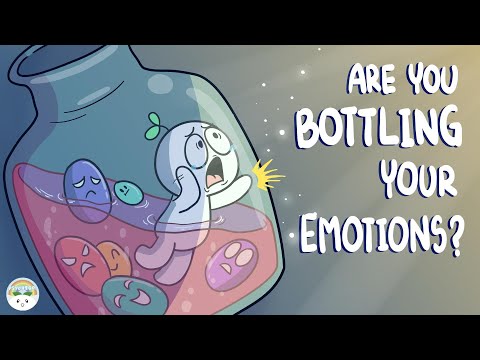
Hey there! So, you ever find yourself wondering how you’re really doing mentally? Like, is your mind in a good spot or kinda all over the place?
We all go through ups and downs. Sometimes, it’s tough to tell where we really stand. You know what I mean? That’s why I thought it’d be cool to share a little quiz with you.
Nothing too fancy or complicated, just some simple questions to help you check in with yourself. It’s like a friendly nudge to see how things are going up there.
So, are you ready to dig in? Let’s figure this out together!
Discover Your Mental Health: Take Our ‘What Disorder Do I Have’ Quiz
You know, figuring out your mental health can be like searching for a needle in a haystack. It’s complicated! When you stumble upon something like a «What Disorder Do I Have» quiz, you might think it’ll give you some kind of clear answer. But hold on just a second.
First off, quizzes are fun, right? They add a little excitement to the day. But let’s be real; they’re not always accurate. Many of these quizzes are just simple questionnaires that ask about your feelings or behaviors. You check off boxes, and boom! You get some sort of result. It can feel validating but also risky.
The thing is, mental health conditions are complex and unique to each person. You might get labeled with something from one quiz that doesn’t even resonate with you at all. For example, if you’re feeling anxious sometimes but you also have days where you’re perfectly fine, does that mean you have an anxiety disorder? Maybe not.
Also consider context matters. When taking these quizzes, what mood were you in? How did you feel that day? It’s super easy to let one bad day skew the results. Just because a quiz says “you might have depression» doesn’t mean it’s for sure true.
You should also keep in mind that mental health changes over time. What if the answers today wouldn’t be the same next week? Life events can shake things up—a breakup, job loss, or even pandemic stress can affect how we feel.
But hey! If you’re feeling lost or confused about your mental well-being, it might help to talk to someone who gets it—like a therapist or counselor. They can dig deeper than any quiz ever could and help you explore your thoughts and feelings more thoroughly.
So if you’re thinking about taking one of those quizzes:
- Use it as a starting point. If something catches your eye in the results, jot it down.
- Don’t take it too seriously. It’s just one perspective among many.
- Think about seeking professional guidance. A pro can help clarify things way better than any quiz.
In short, while those quizzes may spark curiosity about your mental health, they’re really just pieces of a larger puzzle. You’re multifaceted—you’ve got layers! And sometimes peeling back those layers takes time and conversation rather than just answering multiple-choice questions online.
Free Online Psychological Evaluation Test: Discover Your Mental Health Insights
Sure thing! So, let’s talk about those free online psychological evaluation tests you might see floating around. You’ve probably come across a few quizzes asking you to rate your mood or answer some questions about your daily life. Sounds interesting, right? Well, let’s dig into what these tests actually do and how they can be both helpful and a bit tricky.
What are these tests?
These assessments are usually designed to give you some insight into your mental health. They often cover stuff like anxiety, depression, stress levels, and even personality traits. The idea is to help you reflect on how you’re feeling overall. And that’s important! Sometimes just seeing things in writing can make it clearer for us.
How do they work?
You typically answer a series of questions—maybe 10 or 50—about your feelings and behaviors over the past few weeks or months. Afterwards, you get some kind of scoring or results that can suggest areas where you might want to focus more attention. It’s kind of like holding up a mirror to yourself. But here’s the thing: it’s not a professional diagnosis. Just think of it as a starting point.
Why should you try one?
Well, we all have our ups and downs, right? Taking one of these tests can help identify patterns that maybe you’re not even aware of. For example:
- You might realize that you’ve been feeling more down than usual.
- The results could indicate high levels of stress that you’d been brushing off.
- You may discover traits about yourself that can lead to personal growth.
That little “aha!” moment can be super valuable.
Caution ahead!
These tests aren’t foolproof! Not every online quiz is created equal. Some can oversimplify complex feelings or use outdated methods that don’t really capture what you’re going through now. Plus, they shouldn’t replace professional help. If something feels off after taking one of these quizzes—like if the results shock you or make you feel worse—it’s probably a good idea to chat with someone who gets mental health stuff better than an online quiz does.
A little anecdote for perspective:
A friend of mine took one of those mood assessments during a tough time at work. The results suggested he had high anxiety levels which he kinda knew but hadn’t put into words yet. He decided to look at it as a signal to reach out for help instead of dismissing it as just another random quiz result.
So yeah, in short: free online psychological evaluation tests can provide helpful insights but take them with a grain of salt! They’re more like conversation starters with yourself rather than definitive answers about who you are mentally or emotionally. Just remember—your mental health is personal and unique, so don’t hesitate to seek professional guidance if needed!
Discover Your Well-Being: Take This Essential Mental Health Test Today
Well, let’s get into this idea of assessing your mental well-being. A mental health test can sound a bit daunting, but it’s actually just a way to check in with yourself. You know, like how you check the oil in your car or see if your phone needs charging. It’s important!
When you think about it, mental health is super important for all aspects of life—like relationships, work, and even how you feel every day. So, taking a test can be a good step toward understanding how you’re doing.
What is a Mental Health Test?
Basically, it’s a series of questions or statements that help you reflect on your feelings and behaviors. They’re designed to pinpoint whether you’re feeling okay or if there’s something more going on. These tests can cover things like anxiety levels, depression signs, stress management skills, and overall emotional health.
Types of Questions You Might See:
You might encounter questions that ask about your mood over the past few weeks. Like:
- “How often do you feel sad or hopeless?”
- “Do you find it hard to focus on tasks?”
- “Have you lost interest in activities that once made you happy?”
It’s kind of like holding up a mirror to see what’s really happening inside.
Your Results Matter!
Once you’ve answered the questions—you’ll usually get some kind of scoring system. This part can really help make sense of how you’re feeling overall. Are there red flags? Is this just a phase? It’s pretty enlightening stuff.
But here’s where it gets real: these tests aren’t meant to replace professional advice or diagnosis from someone trained in mental health—think therapists or psychologists. They’re more like guides.
The Emotional Check-In
I remember when my friend took one of these tests after feeling unusually anxious for weeks. It turned out her results indicated higher levels of stress than she realized. She thought she was just “stressed out” from work but found out it was impacting her sleep too! Knowing that helped her take action—she started talking to someone about coping strategies.
So yeah, taking a mental health test can be an emotional moment! But think about it—it’s basically giving yourself permission to check in and start addressing whatever needs attention.
Your Action Plan:
After getting your results:
- If you’re feeling alright—awesome! Keep doing what you’re doing.
- If something feels off—consider reaching out for support.
- You might explore therapy options or even simple self-care practices.
The thing is—being proactive about your mental well-being is key!
In the end, whether you see the test as just another quiz online or something deeper doesn’t matter as much as what you choose to do afterward. No matter where you’re at on this journey, remember: checking in with yourself is always worth it! Let me know if there’s anything else you’d like to chat about regarding mental wellness; I’m here for it!
You know, it’s really easy to get caught up in the hustle and bustle of life and forget about how we’re actually feeling. Sometimes, you just go through the motions without pausing to think about your mental well-being. Like the time I was juggling work, family obligations, and a never-ending to-do list, I ended up neglecting my own needs. It wasn’t until a friend casually asked how I was doing that I realized I hadn’t checked in with myself in weeks.
So, there’s this idea floating around about assessing your mental well-being with a quiz. And it sounds a bit quirky at first, right? But think about it—taking just a few moments to answer some questions can really shine a light on how you’re feeling overall. It’s like holding up a mirror and seeing what’s going on inside your head.
This kind of self-reflection can be super helpful. You might discover things you’d rather push aside—like stress levels or feelings of burnout that creep up when you least expect them. And hey, even if you’re feeling okay at the moment, it’s still great to have your finger on the pulse of your emotional state.
But here’s the thing: quizzes aren’t magic solutions or replacements for professional help if you need it. They’re more like starting points, nudges, or gentle reminders to tune into yourself. It’s all about becoming aware, so you can take those small steps towards feeling better or simply maintaining what’s good.
So maybe next time you’re chilling on the couch or waiting for something (yeah, we all end up spending time scrolling mindlessly sometimes), consider picking one of these quizzes up. It might just lead you down a path of understanding yourself better—and honestly? That’s pretty powerful stuff.