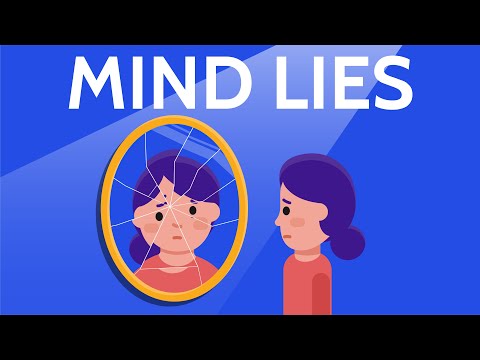
You know those days when your brain just seems to go haywire? It’s like a rollercoaster, right? One minute you feel on top of the world, and the next you’re doubting everything about yourself.
That’s what we call mental distortions—those sneaky little thoughts that twist reality. They can make you feel totally lost or overwhelmed. You might even think you’re alone in this, but trust me, it happens to a lot of us.
Imagine being stuck in a room with a bunch of negative thoughts telling you what’s wrong with you. Not fun, huh? But here’s the good news: there are ways to challenge those distorted thoughts and reclaim your peace of mind.
So let’s chat about how to spot these mental tricks and kick them to the curb. You deserve clarity and some headspace free from drama!
Understanding the 12 Cognitive Distortions: A Guide to Improving Mental Clarity and Emotional Well-Being
You know, our brains can be a bit tricky sometimes. They tend to put a spin on things—kind of like a funhouse mirror. These distortions can really mess with your mental clarity and emotional well-being. So, let’s chat about some common cognitive distortions that might be affecting you without you even realizing it.
1. All-or-Nothing Thinking: This is when you see everything in black or white, no shades of gray. Imagine getting a B on an exam and thinking, “I’m a total failure.” It’s like putting all your value in one little thing.
2. Overgeneralization: Here’s where one bad experience leads to believing everything will go wrong forever. Like if you had one bad date, and then you think you’ll never find love again.
3. Mental Filter: You focus only on the negative stuff while ignoring the positive. If someone compliments your work but also gives constructive feedback, you’re only fixated on that feedback.
4. Discounting the Positive: Similar to the mental filter, but here you dismiss good things altogether. If someone praises your skills and you say they were just being nice? That’s discounting!
5. Jumping to Conclusions: You make assumptions without any real evidence supporting them. Think of thinking someone is mad at you because they didn’t reply right away.
6. Magnification and Minimization: This is when you blow things way out of proportion or downplay something big happening in your life. Got laid off? You might think it means you’ll never work again (magnification), but maybe dismiss how awesome your side gig is (minimization).
7. Emotional Reasoning: You believe that if you feel something strongly, it must be true. For example, feeling anxious before a presentation makes you think something terrible will happen—even if you’ve done great before.
8. «Should» Statements: You have these rigid rules for yourself or others—like “I should always be happy.” It creates this heavy pressure that can lead to disappointment every time reality doesn’t match those expectations.
9. Labeling and Mislabeling: Instead of saying “I made a mistake,” you might label yourself as “a loser.” That kind of self-talk is harsh and unproductive!
10. Personalization: You take responsibility for events outside your control—like believing you’re the reason for someone else’s bad mood at work.
11. Blame: On the flip side, this is where you place all responsibility on others for your problems instead of recognizing how much control you have over your own feelings or actions.
12.
Understanding Mental Health Distortions: Recognizing and Overcoming Cognitive Biases
Mental health distortions are like sneaky little gremlins that twist your thoughts into knots. You know those moments when you feel like the world’s against you, even though it really isn’t? That’s often because of something called cognitive biases. But don’t worry, we can break it down and figure out how to tackle these pesky thoughts together.
Cognitive Biases Defined
Cognitive biases are systematic errors in thinking. They mess with our perception of reality. For instance, if you think everyone’s judging you when you walk into a room, that might be a classic example of mind reading. You’re assuming what others are thinking without any evidence.
The Role of Mental Distortions
These distortions can significantly affect how we view ourselves and the world around us. Maybe your brain tells you that one small mistake makes you a total failure. This is known as all-or-nothing thinking. It’s like wearing glasses that only show the bad side of things—where’s the fair perspective in that?
But hey, here’s a little personal story: I once had this friend who bombed an important presentation at work. He came home convinced he’d never get promoted again. That was his brain playing tricks on him! After chatting about it, he realized he was focusing on one mishap instead of all the successful projects he’d nailed before. Seriously, it was eye-opening for him!
Common Cognitive Biases to Spot
Here are some common cognitive biases that trip people up:
- Confirmation Bias: This is when we only pay attention to information that confirms what we already believe. If you’re convinced nobody likes you, you’ll probably ignore any friendly gestures.
- Negative Filtering: If you’re stuck on negative experiences and can’t see any positives, it’s like focusing solely on dark clouds in an otherwise sunny sky.
- Catasrophizing: This means expecting the worst-case scenario in every situation. Like thinking if you’re late to dinner, your friends will be furious and never want to hang out again.
Recognizing these biases is half the battle. You can start challenging them just by being aware!
Tackling Mental Distortions
So how do we fight back against these cognitive gremlins? There are some strategies that could help:
- Acknowledge Your Thoughts: First off, notice when those distorted thoughts pop up. Just say to yourself: “Okay, here comes my brain messing with me again.”
- Question Those Thoughts: Try asking yourself if there’s real evidence behind your thinking or if you’re jumping to conclusions.
- Reframe Your Perspective: Shift your focus onto a more balanced view—this takes practice but can change everything!
You know what? It might feel awkward at first, but over time this will just become part of your usual thought process.
The Importance of Support
If it gets tough dealing with these biases alone, reaching out for support can be a game changer! Talking to friends or mental health professionals can bring clarity and new insights into those distorted thoughts.
Overcoming cognitive biases isn’t about ignoring problems; it’s about facing them head-on while giving yourself some grace too! Remember: everyone has moments where their minds play tricks on them—you’re not alone in this journey!
Understanding Cognitive Distortions: Download Your Free PDF Guide
Cognitive distortions are like those pesky little gremlins in your mind that twist reality. They can lead you down a dark path of negativity and self-doubt. Understanding them is super important for improving your mental health.
So, what are cognitive distortions? Well, they are irrational thought patterns that can affect how you see yourself, others, and the world around you. They often pop up when you’re stressed or feeling low. Something happens, and bam! Your mind jumps to a negative conclusion without any proof.
Here are some common cognitive distortions that might resonate with you:
Now, let’s get real for a second. I remember this one time when I flubbed my lines during a play. I was so embarrassed that I convinced myself I’d never perform again! All my friends had said how great I was doing until then—totally ignored their support. It took some time to realize my reaction was skewed.
Recognizing these distortions in your thinking can be so freeing! The first step is to become aware of them when they pop up in daily life. Once you’re aware, challenge those thoughts.
Try asking yourself questions like:
– Is there evidence to support this thought?
– What would I tell a friend who felt this way?
– Am I stuck in black-and-white thinking?
It can seriously change how you feel and react to situations if you’re able to flip the script on these thoughts.
Challenging cognitive distortions isn’t always easy; sometimes it feels like swimming against the tide! But over time, with practice and maybe some supportive therapy or resources (like workbooks or worksheets), you’ll start retraining your brain.
And hey, if you’re looking for more help on this journey, downloading free guides that tackle these topics can be super beneficial! Just remember: changing how we think takes practice but can lead to much brighter days ahead!
You know, mental distortions can be real sneaky little buggers. One minute you’re having a decent day, and the next, your mind flips the script on you. Like, remember that time when you thought your friend didn’t text back because they were mad at you? But in reality, they were just busy or maybe their phone died? It’s those spirals we get into that can feel so real but actually aren’t.
Challenging these thoughts is tough work. Our brains can create some wild narratives—like imagining a small mistake at work will lead to getting fired or thinking everyone’s judging our outfit when really they’re just focused on their own stuff. It can feel like you’re trapped in this loop of negativity and self-doubt.
I once had a friend who always thought their achievements weren’t good enough. They’d downplay acing an exam or getting a promotion, saying it was luck or something anyone could do. It broke my heart because I could see all the effort and talent behind those accomplishments. Helping them challenge those thoughts wasn’t easy, but slowly they learned to recognize that their achievements were valid and deserved celebration.
The trick is being aware of these distortions when they creep up on you. You might ask yourself questions like, “Hey, is there real evidence for this thought?” or “Am I blowing things way out of proportion?” Sometimes just talking it out with someone else helps too—like putting your feelings into the open air makes them less daunting.
It’s also about practicing self-compassion. Instead of being that critical inner voice all the time, try to treat yourself like a good friend would. You wouldn’t tell your buddy that they’re worthless for missing a gym session, right? You’d probably remind them that it’s okay and encourage them to try again tomorrow.
Challenging mental distortions isn’t some magic fix—more like a muscle you build over time. With practice, it gets easier to notice when your brain is playing tricks on you and to shift gears into more balanced thinking instead. It’s kind of freeing when you realize how much control you have over those thoughts!