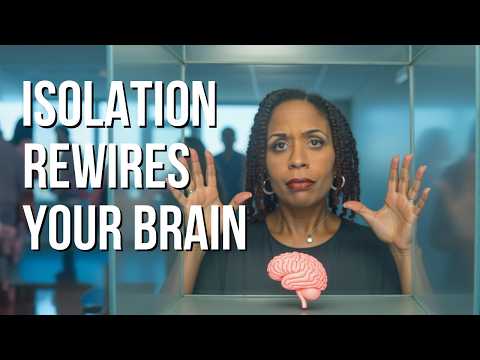
You know, sometimes being alone can feel like a cozy blanket. But then there are those other times…
When isolation creeps in and just hangs around. It’s weird, right? Like, one minute you’re all about that solo Netflix binge. The next, you’re feeling kinda lost in your own head.
Social isolation can hit hard. It messes with your mind and your mood, often without you even realizing it. You might think you’re fine at first—after all, you’ve got your snacks and your favorite shows.
But then, those feelings start to bubble up. Loneliness sets in like an unwelcome guest that won’t leave the party. So what’s really going on there? Let’s unpack this a bit together.
Understanding the Impact of Social Isolation on Mental Health: Key Insights and Strategies
Social isolation, you know, it’s something we’re all too familiar with, especially after these past few years. The thing is, being cut off from others can seriously mess with our mental health. It’s not just about feeling lonely; it goes a lot deeper than that.
When you’re socially isolated, your mind can start doing some funky things. You might feel anxious or even depressed. People often experience feelings of hopelessness and worthlessness when they’re alone for too long. The brain needs social interaction—it thrives on connection! Without it, mental health issues can really ramp up.
Here are some key insights to consider:
- Increased Risk of Depression: Social isolation often leads to a higher risk of depression. Studies show that people who feel disconnected are more likely to report depressive symptoms.
- Anxiety Levels Spike: When we’re alone too much, anxiety can creep in like an unwanted guest. The worry starts to build; you think about every little thing and then spiral.
- Cognitive Decline: Believe it or not, being socially isolated for long periods can actually affect your memory and problem-solving skills. It’s like your brain needs that social workout to stay sharp.
- Physical Health Issues: You might be shocked to hear this, but social isolation can lead to physical problems too! It’s linked to heart disease and other serious conditions—our bodies don’t like loneliness either.
So how do we tackle this? Well, there are some strategies that might just help pull you out of that social rut:
- Reach Out: Seriously, pick up the phone or shoot a text! Call a friend or family member. Just chatting for a bit can change your whole mood.
- Join Groups: Whether it’s a book club or an online community centered around an hobby—you gotta find your tribe! Being part of something helps combat those isolating feelings.
- Create Routine Social Interactions: Schedule time with friends or even virtual hangouts. Having regular interactions gives you something to look forward to.
- Get Outside: Just stepping out into the sun for a walk can boost your mood! You don’t have to interact with anyone if you’re not up for it; nature has its own way of lifting spirits.
Look, I get it—sometimes it’s tough just getting out there when you’re feeling down. There may be days when retreating feels easier than engaging with the world outside. But remember: connection matters more than you think.
One time, I was feeling pretty low and decided to go for a walk in my neighborhood park—just me and my thoughts (and maybe the occasional squirrel). As I walked, I noticed people smiling at each other and even greeted someone grabbing coffee nearby. That short interaction brightened my day way more than I expected!
In short, while social isolation has its harsh effects on mental health, there are practical ways to fight back against it. Connection is vital for our minds and bodies alike—don’t underestimate its power! Reach out whenever you can; you’ll be surprised by how much it helps just knowing you’re not alone in this big ol’ world.
Understanding the Impact of Social Isolation on Mental Health: A Comprehensive PDF Guide
Social isolation can really mess with your head. I mean, it’s not just about feeling lonely. It digs deep into our psyche and, trust me, the effects can be pretty rough. So, let’s break it down a bit.
First off, when you’re isolated from others, you might experience feelings of loneliness and sadness. These feelings aren’t just fleeting; they can spiral into something more serious, like depression. Picture this: Sarah used to hang out with friends regularly, but after moving to a new city for work, she found herself alone most nights. Over time, that loneliness turned into a dark cloud hanging over her.
Then there’s the issue of Anxiety. When we’re isolated, our brains can go into overdrive. We start worrying about everything—our social skills might get rusty, or we may even overthink interactions that used to be easy peasy. And guess what? This creates a vicious cycle: feeling anxious leads to avoiding situations which then increases isolation.
Oh! And let’s not forget about cognitive decline. Being socially connected is like exercise for your brain. When you stop interacting with others regularly, mental sharpness can fade away like an old photograph left in the sun too long. A study showed that older adults who experienced social isolation faced higher risks of cognitive impairment.
Another thing is physical health! Yeah, it’s all intertwined. People who are socially isolated often neglect self-care—like regular check-ups and exercise—which leads to worse physical health outcomes. You won’t believe this—research has shown that folks who lack social connections have similar health risks as smoking 15 cigarettes a day.
And here’s something else: substance abuse. Some people turn to alcohol or drugs as coping mechanisms when they’re feeling cut off from the world. It’s like a band-aid that only covers up the problem without really fixing anything.
But here’s where we can turn things around! Reaching out is key. Even small interactions—like texting an old friend or participating in online groups—can make a huge difference in breaking that cycle of isolation.
So yeah, social isolation is no joke when it comes to mental health—it wraps its messy tentacles around your mind and life in ways you wouldn’t expect. Getting involved again and connecting with others not only helps improve mental well-being but also strengthens our resilience against life’s ups and downs.
Next time you’re feeling alone or someone tells you they’re stuck in their head for too long—remember these points! Make sure you check on each other because community matters so much more than we realize!
The Hidden Dangers of Social Isolation: Understanding Its Negative Effects on Mental Health
Social isolation can sneak up on you, right? It’s like that quiet wave that washes over you without even realizing it. You might think, “I’m fine being alone,” but there’s a lot more happening beneath the surface.
When you isolate yourself from others, you start missing out on crucial social interactions. Those small moments—like chatting with a friend or grabbing coffee with someone—play a big role in how you feel mentally. They’re not just casual hangouts; they’re like little pieces of glue that hold your emotional stability together.
One of the biggest risks of social isolation is feeling lonely. It’s not just about being by yourself. Loneliness can creep in and mess with your mind, making you feel sad or even hopeless. You might remember a time when you felt totally alone in a crowded room, huh? That feeling can lead to serious issues like anxiety or depression—kind of like a snowball effect where one thing leads to another.
Let’s talk sleep for a minute. When you’re isolated, your sleep patterns can really suffer. Maybe you find yourself staying up late or waking up all night. It’s tough to get good rest when your mind is racing about all those thoughts and worries that pile up during the day.
Another thing to consider is how your physical health gets impacted by social isolation. Feeling down can lead to neglecting your body—you might skip meals or avoid exercising because, well, who cares when no one’s watching, right? But what happens is this creates a cycle where poor physical health affects mental health and vice versa.
And then there’s the whole issue of coping skills—or lack thereof. When you don’t have people around to talk things through with, it can be hard to find healthy ways to deal with stress. Instead of reaching out for support, some folks turn to unhealthy habits like drinking too much or binge-watching TV instead of facing their feelings.
So yeah, social isolation isn’t just about being alone; it’s about the toll it takes on your overall well-being. Recognizing these hidden dangers is the first step toward making changes.
But what can we do about it? Reaching out—even if it feels awkward at first—can help break that cycle. A simple text or call to someone can reignite connections and remind you that you’re not alone in this big, hectic world! Remember: it’s okay to ask for help if you’re feeling overwhelmed; it’s not a sign of weakness but rather strength.
In short, keeping an eye on how isolated you feel—and taking steps to reach out—can make all the difference in maintaining good mental health! So don’t underestimate those casual chats with friends—they’re more important than they seem!
So, let’s talk about social isolation for a minute. You know, being alone can sound like a dream sometimes, right? Like, who wouldn’t want a day to binge-watch their favorite show in pajamas? But seriously, being socially isolated—especially over long stretches—it can take a toll on your mental health that’s not so fun.
I remember a friend of mine, Sarah. She was always the life of the party. Super outgoing and full of energy. Then, with the pandemic and everything shutting down, she found herself spending weeks at home alone. At first, it was all about catching up on Netflix and doing some self-care stuff. But then days turned into weeks and something shifted in her. She started feeling more anxious and restless than relaxed. It was like this fog had settled around her.
The thing is, we’re social creatures by nature, right? We thrive on connections—big or small. When you’re isolated, that connection slowly fades away. It’s not just about missing out on parties or gatherings; it’s like you lose that sense of belonging. Suddenly, you start questioning your worth and whether anyone even cares about you being there at all.
And here’s where it gets tricky: that isolation can lead to feelings of loneliness and sadness which can spiral into depression if you’re not careful. You begin to ruminate on negative thoughts as if they’re stuck on repeat in your brain—like that annoying song that just won’t leave you alone! You might feel like you’re watching life happen from behind glass while everyone else is out there living it.
Some studies show that prolonged social isolation can mess with your brain chemistry too. It’s linked to higher levels of stress hormones like cortisol which can really throw off your mood and overall mental well-being. It’s wild how our minds are so connected to our social lives.
But here’s a glimmer of hope: connecting with others—even when it feels hard—can be really healing. Whether it’s picking up the phone for a quick chat or joining an online group (hey, even cats have their fan clubs), those small moments make a difference! Like my friend Sarah eventually did; she started reaching out more—even just texting people she hadn’t spoken to in ages—and slowly but surely, things began to shift for her.
Overall, the psychological toll of isolation is no joke. If you find yourself feeling down or anxious from being alone too much—it’s important to acknowledge those feelings instead of pushing them aside. The struggle is real but remember: you’re definitely not alone in how you feel! It’s okay to seek help or engage with others until brighter days come around again!