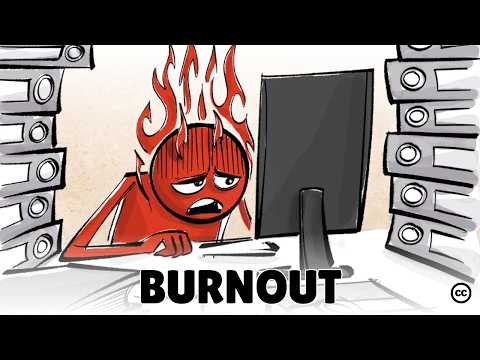
You know those days when just getting out of bed feels like running a marathon? Yeah, me too.
Mental fatigue can sneak up on you and hit harder than you’d expect. It’s like your brain turns into a foggy mess.
Maybe you can’t concentrate, or you feel emotionally drained. And it’s frustrating! Seriously, it’s one of those things we all face but rarely talk about.
So let’s chat about spotting the signs of mental fatigue in our daily lives. You might be surprised at how common it really is!
Understanding Mental Fatigue: Key Symptoms and Effective Coping Strategies
Mental fatigue is one of those things that can sneak up on you, right? One minute you’re feeling fine, and the next you’re just wiped out. It’s not just being sleepy; it’s like your brain has hit a wall. Recognizing the symptoms is the first step to coping with it effectively.
So, what does mental fatigue feel like? Well, here are some key symptoms you might notice:
- Constant tiredness: You could sleep for hours and still feel drained. It’s like your battery just won’t recharge.
- Poor concentration: Ever try to focus on something and your mind keeps drifting? Yeah, that’s a classic sign.
- Irritability: Little things start to annoy you more than they normally would. You might snap at friends or family for no good reason.
- Lack of motivation: Things that once excited you suddenly feel like chores—like nobody wants to go for a walk or watch that show they love.
- Physical symptoms: Sometimes it can bring headaches or even muscle tension, making everything feel heavier.
To give you an example, imagine Sarah, a busy mom juggling work and kids. One day she wakes up feeling like she’s been hit by a truck. She tries to get through her usual routine but finds herself forgetting little things—like whether she made coffee or not. By lunchtime, she feels more irritated with her kids than usual because she’s not even able to keep up with all their questions!
So now that we’ve laid out what mental fatigue looks like, how can you cope with it? Here are some effective strategies:
- Take breaks: Seriously! Just stepping away from whatever you’re doing—even if it’s just five minutes—can help reset your brain.
- Create a routine: This helps your mind know what to expect. It might sound boring but knowing what comes next can ease stress.
- Meditation and mindfulness: Try focusing on your breath for a few minutes or doing guided meditations. It can really clear the fog!
- Limit multitasking: Focus on one task at a time instead of juggling three different ones. You’ll find it way easier and less draining!
- Sufficient sleep: Prioritize getting good rest each night; it makes all the difference when fighting mental fatigue.
When Sarah started taking mini-breaks during her day and simplifying her tasks—from planning meals ahead of time to cutting down her screen time—things began to change for her. Her stress levels went down significantly!
It’s tough out there in this fast-paced world we live in but recognizing the signs of mental fatigue is so key in reclaiming your energy. Remember: it’s totally okay to take some time for yourself; sometimes that’s exactly what you need!
Understanding Mental Fatigue: How to Test and Manage Your Cognitive Load
Mental fatigue can seriously mess with your day-to-day life. It’s that feeling when your brain is just, like, running on empty. You know, when even the simplest tasks feel overwhelming? The truth is, it’s super common but often overlooked. So let’s break this down a bit.
What is Mental Fatigue?
It’s basically exhaustion of the brain. You’ve pushed yourself too hard mentally—maybe you’ve been studying all night or dealing with stress at work. Your mind gets tired just like your body does after a long workout. When you’re mentally fatigued, concentrating becomes tough, and decisions feel like climbing a mountain.
Recognizing Symptoms
Symptoms of mental fatigue can vary a lot from person to person. But here are some common ones to look out for:
- Poor Concentration: Like when you read the same paragraph three times but still don’t understand it.
- Irritability: Small annoyances start to get under your skin more than usual.
- Memory Issues: Forgetting simple things—you know, where you left your keys or what you came into the room for.
- Lack of Motivation: Activities that once excited you now seem draining or boring.
It’s kind of like trying to run a marathon without any training: You feel worn out before you even start.
Measuring Your Cognitive Load
So how do you know if you’re overloaded? There isn’t an exact science here, but there are some good methods to figure it out:
– **Reflect on Your Tasks:** Think about your daily activities. Are they leaving you feeling drained? Jotting down what tires you out can help identify where the load’s coming from.
– **Mindfulness Check-ins:** Take a moment during your day to check in with yourself. Ask if you’re feeling foggy or overworked.
– **Energy Levels:** Keep track of when you feel energized versus when you’re dragging. Note patterns and see if anything stands out.
Managing Mental Fatigue
Once you’ve recognized that fatigue monster lurking around, it’s time to take action! Here are some ways to manage it:
- Pacing Yourself: Break tasks into smaller chunks and take regular breaks—your brain will thank you.
- Simplify Decisions: Try making fewer decisions each day by planning outfits or meals ahead of time.
- Mental Downtime: Schedule time for relaxation—be it reading, meditating, or even binge-watching that show you’ve been dying to see.
- Adequate Sleep: Never underestimate the power of sleep! It helps recharge your mental batteries.
Think about a time when you felt absolutely wiped out after a long week at work or school. Remember how refreshing it felt to finally unplug and just chill? That’s exactly what managing mental fatigue aims for.
In short, understanding mental fatigue means recognizing how our brains function under stress and knowing how to give them the care they need. Don’t ignore those signs—it’s all part of keeping yourself balanced in this chaotic world we live in!
Effective Strategies to Overcome Mental Fatigue and Rejuvenate Your Mind
Mental fatigue can sneak up on you, right? You might not even realize it at first—just feeling off, like you’re stuck in a fog. Symptoms can vary, but common signs include lack of motivation, trouble concentrating, and even feeling physically drained. I remember chatting with a friend who’d been burning the candle at both ends. She’d complain about being tired all the time but couldn’t pinpoint why. It turned out she was dealing with serious mental fatigue from juggling work stress and personal issues.
So, here are some strategies to help you turn that mental fatigue around:
- Take Breaks: Seriously, schedule those breaks! Whether it’s five minutes every hour or a longer stretch in the afternoon, stepping away helps reset your mind. Go for a quick walk or just stretch out your body. Trust me; it can do wonders.
- Get Quality Sleep: Sleep is like magic for your brain! If you’re not sleeping well, everything else becomes harder. Aim for 7-9 hours each night and try to keep a regular sleep schedule. I used to stay up late scrolling through my phone—big mistake!
- Meditation or Mindfulness: This isn’t just for yogis! Even five minutes of meditation can clear your head and help you refocus. There are tons of apps that guide you through it if you’re unsure where to start.
- Stay Hydrated and Eat Well: What you put in your body really matters! Dehydration can lead to fatigue, so drink water throughout the day. Also, eating balanced meals helps maintain energy levels—no more sugar crashes!
- Limit Multitasking: Juggling too many tasks can be overwhelming and exhausting. Focus on one thing at a time; you’ll find you feel less scattered and more accomplished.
- Create a Calm Environment: Your surroundings influence your mood big time! Decluttering your space or adding some plants can create a sense of calm that counteracts stress.
Remember that sometimes, it’s okay to ask for help. Talking things over with friends or even seeing a therapist can provide fresh perspectives on what’s weighing down your mind.
But hey, be patient with yourself too! Overcoming mental fatigue isn’t an overnight fix; it takes time to rejuvenate your mind fully. Make small adjustments along the way, and soon enough—you’ll be back on track feeling lighter and more energized!
So, mental fatigue—man, it can sneak up on you, right? One minute you’re cruising through your day, feeling like you can take on anything. Then suddenly, you’re overwhelmed by a pile of tasks that seem impossible. It’s like your brain just hit a wall.
You might notice changes in how you feel or think. Like, have you ever found yourself staring blankly at your computer screen? You know the feeling: hours pass by, and nothing productive gets done. Or maybe it’s that heavy weight on your chest—it doesn’t feel like a panic attack; it’s just an exhaustion that makes everything seem harder than it should be.
Sometimes mental fatigue also brings about irritability. You snap at your coworker for no reason or can’t help but roll your eyes at things that usually wouldn’t bother you. It’s super frustrating and makes you feel sort of… out of control? Maybe you’ve felt a mix of anxiety and sadness when all you want is to chill.
A while back, I was juggling work deadlines, personal issues with friends, and family stuff all at once. On the outside, I looked fine. But inside? Ugh! I was mentally drained. Tasks I usually enjoyed became burdensome chores. The smallest decision felt like climbing Mount Everest! That’s when I realized something’s gotta give.
You might find yourself forgetting simple things too—a grocery list or an appointment—like your mind is running on empty. Or perhaps you’ve noticed that once fun activities now seem draining rather than refreshing. You used to thrive on socializing or hobbies but now they leave you exhausted; that’s a sign!
The cool thing is once we start recognizing these symptoms in our daily lives, we can actually do something about it. Whether it’s taking breaks throughout the day or finding ways to recharge—maybe some meditation or just zoning out with a good show—it all helps.
So if you’re feeling this way too, don’t beat yourself up over it. Mental fatigue happens to the best of us! Acknowledging those feelings is the first step toward giving yourself what you need to get back in the game. Take care of yourselves—you deserve it!