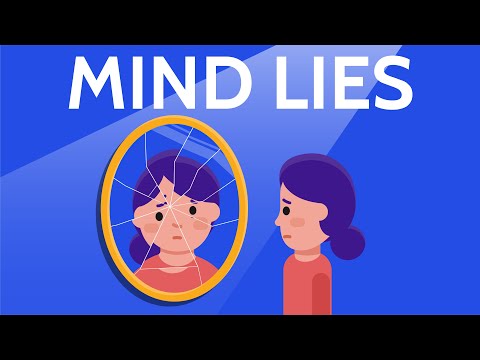
Ever felt like you were wearing some funky glasses that only let you see the bad stuff? Yeah, me too. It’s called a mental filter, and it can totally mess with how you see the world.
Think about it. One tiny negative thing happens, and suddenly it’s like your brain’s got a spotlight on it. You ignore all the good things around you. It’s frustrating, right?
You’re not alone in this! We all get caught up in these cognitive distortions sometimes. Let’s chat about what they are and how they sneak into our everyday lives. Trust me; understanding this stuff can really change the game.
Understanding Mental Filters: Examples of Cognitive Distortion in Everyday Life
Understanding mental filters can feel a bit like wearing a pair of sunglasses that only let in certain colors. You know that feeling when you focus on the one negative comment in an otherwise positive review? That’s basically what mental filters are all about. They’re these sneaky little cognitive distortions that can shift your entire perspective on life. Let’s break it down.
Mental filters happen when you focus exclusively on the negative aspects of a situation, overlooking the positive ones. It’s like having blinders on—you only see part of the picture. This can show up in everyday life and can be pretty damaging without you even realizing it.
Think about a time when you got feedback at work. Your boss might say, “You did great on this project, but I noticed a few mistakes.” If you zero in only on those mistakes, blowing them out of proportion while ignoring the praise, that’s your mental filter flipping to “negative” mode. It’s like letting one bad apple spoil the whole bunch.
Examples of Mental Filters:
You see? These little distortions can pile up and lead to feelings of anxiety or sadness over time. They make everything seem heavier than it really is.
Sometimes people might not even realize they’re doing this! It’s automatic for some folks—like an old habit they can’t shake off. That reminds me of my friend Sarah; she had this amazing ability to bring everyone together for fun outings, but every time someone couldn’t make it, she’d spiral into worrying nobody liked her anymore. She couldn’t see all the friends who were excited to hang out—it was tough for her!
So if these filters are affecting how you see things, what do you do? Well, awareness is key here! Just noticing those thoughts can help you step back and challenge them. Ask yourself: “Is this really true?” or “What evidence do I have that supports or disproves this thought?” That way, you’re not just absorbing negativity like a sponge.
Remember—shaking off those mental filters takes time and practice. You’re rewiring how your brain reacts to situations so you don’t get stuck focusing on what’s wrong instead of what’s right.
In summary, mental filters limit us by honing in only on negativity while ignoring positive experiences (which are usually way more plentiful!). Just being mindful of this tendency can steer us toward healthier thinking patterns and brighter days ahead!
Top 10 Cognitive Distortions: Understanding Common Thought Patterns That Impact Mental Health
Cognitive distortions are sneaky little thought patterns that can mess with your head, you know? They’re like those annoying flies buzzing around on a summer day—hard to ignore and can really get under your skin. Basically, these distortions can sneak into your daily thinking and impact how you feel about yourself and the world. Let’s break down some of the most common issues.
1. All-or-Nothing Thinking: This one’s pretty straightforward. You see things in black and white. If things aren’t perfect, they feel like total failures. For example, you might think, “If I don’t ace this exam, I’m a total loser.” That kind of mindset can lead to burnout.
2. Overgeneralization: Here’s where your mind takes one bad event and turns it into a pattern. Like if you bomb an interview and suddenly believe you’ll never get a job again. That’s just not true!
3. Mental Filter: This is classic! You only focus on the negative aspects of situations while ignoring the positives. Let’s say someone gives you a compliment but also offers some constructive criticism—if you only zero in on the criticism, it messes up your self-esteem.
4. Disqualifying the Positive: Similar to mental filtering, but here you totally brush off any successes or compliments as flukes or not genuine. “That praise? They were just being nice.” Really?
5. Jumping to Conclusions: You might assume you know what others are thinking without any real evidence—it’s like trying to read minds! For instance, thinking your friend didn’t text back because they’re mad at you without any proof is super common.
6. Catastrophizing: This is when your brain jumps straight to the worst-case scenario without considering other possibilities. It’s like if you get a headache and instantly think it’s a brain tumor—yikes!
7. Emotional Reasoning: You feel anxious or sad about something, so your brain starts telling you that those feelings must reflect reality. If you’re feeling unworthy, then you must be unworthy—and that’s just unfair!
8. “Should” Statements: These are all about expectations! You tell yourself how things should be or how others should behave: “I should always be happy” or “They shouldn’t have acted that way.” Those «shoulds» often just lead to disappointment.
9. Labeling: Instead of saying what someone did was bad behavior, you label them as a bad person altogether: “I messed up; I’m such a loser.” That kind of self-talk is harsh—and unnecessary!
10. Personalization: This happens when you take responsibility for events outside your control—like believing you’re the reason your friend is upset when something totally unrelated happened.
Understanding these patterns helps us catch ourselves when we go down that rabbit hole of negative thinking! It’s all about noticing them so we can flip the script on our thoughts and genuinely improve our mental health along the way, right? It’s tricky at first but super helpful once you figure it out!
Understanding the 12 Cognitive Distortions: A Guide to Better Mental Health
Cognitive distortions are like little traps our minds fall into. They twist our thoughts in ways that can feel super real but aren’t reflective of the bigger picture. One common type is the mental filter. This happens when you focus only on the negatives and filter out the positives. It’s like putting on a pair of glasses that only show you the bad stuff.
So, what exactly are cognitive distortions? Well, they’re basically irrational thoughts that can lead to feelings of sadness, anxiety, or stress. When you get stuck in these patterns, it can mess with your head and overall mental health.
With mental filtering specifically, let’s dig a bit deeper. Here are some key points to expand on this idea:
- Selective Attention: Imagine you got a bunch of compliments after giving a presentation but only remember that one piece of criticism. That’s selective attention at work! You’re zeroing in on the negative feedback while ignoring all the good stuff.
- Overgeneralization: Let’s say you didn’t do well on one exam and suddenly think, «I’m just terrible at everything.» That thought blows things way out of proportion and ignores all those other times you succeeded!
- Ignoring the Positive: Maybe you had an awesome day overall but fixate on that one awkward conversation. When you focus solely on that moment, you’re tossing out all the good vibes from earlier.
- Cognitive Anchoring: This is when one negative experience sticks to your brain like glue. If someone criticizes you once, it can become this anchor that weighs down all your future self-views.
Think about a time when you felt overwhelmed by negativity. Maybe after a breakup or losing a job? You might’ve found yourself thinking about every awful detail instead of looking at any bright spots or opportunities for growth.
The thing is, recognizing these distortions is crucial for changing them. You have to challenge those nagging negative thoughts! A simple question to ask yourself could be: «Is there any evidence supporting this thought, or am I just focusing on what feels worst?»
Once you start catching yourself filtering out positives, it opens up this whole new perspective. It allows room for more balanced thinking where both good and bad experiences get considered fairly.
And if you’re still wrestling with these thoughts? Seeking help from a therapist or counselor might really help shed some light and provide tools to manage them better.
In short, understanding cognitive distortions—like mental filtering—can be a game-changer for your mental health journey. It helps open up space for not just feeling better but also living better everyday!
So, let’s chat about mental filters. You know those times when you’re feeling down, and suddenly your brain zeroes in on all the negative stuff? Yeah, that’s what a mental filter is all about. It’s like putting on a pair of glasses that only lets you see the bad things. Seriously, it can mess with your head.
Picture this: Imagine you just had a tough conversation at work. You got some constructive criticism, but then someone complimented your project too. Yet, instead of thinking about the praise, all you can focus on is that one piece of feedback. It’s super common! Because our brains? They can be total drama queens sometimes.
And here’s another example: Say you’re scrolling through social media and see photos of friends having a blast without you. You might start feeling like everyone’s living their best life while you’re stuck doing nothing fun. But the reality? It’s usually way more complicated than what we see online. Everyone has ups and downs, trust me.
But it doesn’t end there; these filters can affect relationships too. Like if your partner forgets to take out the trash one day, you might think they don’t care about you at all, ignoring all those other times they’ve shown love and support. It’s easy to slip into that kind of thinking without even realizing it.
Awareness is key here. Once you recognize this pattern in yourself—well, that’s half the battle won! So maybe next time you’re caught up in that mental filter mindset, ask yourself if you’re seeing the whole picture or just a tiny sliver of it.
Remember, it’s totally normal to have these thoughts sometimes. We’re all human; we just need to treat ourselves with a bit more kindness when our brains decide to play tricks on us!