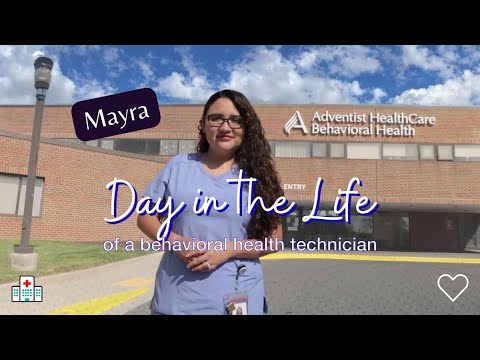
Hey! So, let’s chat about something really meaningful—pursuing a career as a mental health aide.
You probably know someone who’s had a tough time with their mental health, right? It’s not just about the struggles, though. It’s also about the incredible support that can make such a difference.
Being a mental health aide is like being a lifeline for people in need. Seriously, you get to be there for them on their journey to feeling better. How cool is that?
If you’re considering this path, buckle up! There’s so much to explore—the challenges, the rewards, and the stories that will tug at your heartstrings. Let’s dive into it together!
Essential Qualifications and Skills Needed to Become a Mental Health Aide
Becoming a mental health aide can be really fulfilling. You’re actually stepping into a role where you can help people who are struggling with various mental health issues. So, what does it take to do this kind of work? Let’s break it down.
First off, education is key. Most employers look for aides to have at least a high school diploma or GED. Some may prefer candidates with an associate degree in psychology or social work, but that’s not always necessary. It’s often about the experience and skills you bring.
Next up, communication skills. This isn’t just about talking; it’s about listening too. You need to understand what the person is saying and how they feel. Imagine sitting with someone who feels completely overwhelmed; your ability to listen without judgment can make a huge difference.
Empathy and compassion are also super important. You have to genuinely care about the well-being of others. Picture this: you’re helping someone who’s having a panic attack—it’s crucial you approach them with kindness and understanding.
Another biggie is problem-solving skills. Mental health issues can be unpredictable. Sometimes you’ll face challenging situations that require quick thinking. For example, if a client becomes agitated, you need to figure out how to de-escalate that situation calmly and effectively.
Having some knowledge of mental health conditions is essential too. You don’t need to be an expert, but understanding terms like anxiety disorders, depression, or PTSD helps you relate better with clients.
Lastly, don’t underestimate self-care strategies. Working in mental health can take a toll on your own emotional state. Knowing how to manage stress—whether through exercise, hobbies, or talking things out—keeps your own mental health in check while you help others.
So there it is! If you’re thinking about pursuing this career path, focus on building these qualifications and skills:
- Education
- Communication skills
- Empathy and compassion
- Problem-solving abilities
- Knowledge of mental health conditions
- Self-care strategies
In short, being a mental health aide requires a mix of formal education and personal attributes that can make all the difference for those you’re supporting. It’s challenging but so worthwhile when you see the impact you’re making!
Launching Your Mental Health Career: A Step-by-Step Guide to Success
Launching a career in mental health, particularly as a mental health aide, can feel like a daunting task. But it’s exciting too! This role plays a vital part in helping individuals navigate their emotional and psychological struggles. So let’s break down how to get started.
Understand the Role
First off, you should familiarize yourself with what a mental health aide does. Basically, you provide support to patients in various settings, like hospitals, clinics, or even residential treatment centers. You might assist with daily activities, lead therapeutic activities, or simply offer companionship. It’s all about being there for someone who needs it.
Education Requirements
Now let’s talk about education. While some positions may require only a high school diploma or equivalent, having an associate’s degree in psychology or social work can seriously boost your chances of landing a job. You could also look into programs specifically geared toward mental health support.
Get Your Certification
Certification can make you stand out in the crowd. Programs for becoming a Certified Mental Health Aide often provide hands-on training along with important knowledge about mental illnesses and treatment methods. This could really set you apart when you’re trying to find work.
Gain Experience
Next up is experience. Volunteering at local mental health organizations or internship opportunities not only gives you valuable hands-on experience but also shows potential employers that you’re committed to this field. Plus, you’ll make connections that could help down the line.
Know the Skills Needed
You’ll need strong communication skills and empathy; that’s crucial when working with individuals facing challenges like depression or anxiety. Being able to listen without judgment can truly make someone feel heard and understood.
Navigating Job Opportunities
Once you’re ready to start applying for jobs, look for openings on dedicated job boards or healthcare facilities’ websites. Consider joining professional associations for networking too! You might connect with others passionate about mental health who can share job leads or insights.
The Importance of Self-Care
While you’re diving into your career, don’t forget about your own mental well-being. Working in this field can be emotionally demanding, so developing your own coping strategies is essential for sustaining your enthusiasm and effectiveness as an aide.
Lifelong Learning
Finally, the world of mental health is always evolving—so should you! Look for continuing education courses or workshops that will help you stay updated on best practices and new research developments in the field.
Launching yourself into a career as a mental health aide is both challenging and rewarding! With dedication and the right approach, you’ll be well on your way to making a difference in people’s lives while building an inspiring career.
Exploring Career Paths: Becoming a Mental Health Technician Without a Degree
Thinking about becoming a mental health technician? That’s a pretty cool choice! You don’t necessarily need a degree to get started in this field, which is great for many folks looking to make a difference in others’ lives.
The role of a mental health technician, or aide, involves supporting individuals with mental health issues. You’ll work alongside professionals like therapists and nurses. Your job will be to help patients with their daily activities, assist in treatment plans, monitor their behavior, and provide emotional support. This is crucial work! This can really change someone’s day—or even their life.
So what qualifications do you need? First off, many places look for a high school diploma or GED. It’s also super helpful to have some experience or training in mental health support. This could come from volunteer work, internships, or even programs designed for aspiring technicians.
- Consider getting certified as a mental health technician through programs that offer training without requiring you to get an associate’s degree.
- Look into local organizations that might provide on-the-job training.
- Familiarity with mental health terminology and practices can really help! Try reading up on common disorders or treatment methods.
- Basic first aid and CPR certification is often required too—safety first!
If you’ve ever been involved in helping someone through tough times—say, volunteering at a shelter or working with youth groups—you already have some of the skills necessary here. Empathy is huge. Imagine being there for someone who’s feeling lost or overwhelmed; it’s all about connection.
And let’s not forget about the personal qualities employers seek. Being patient and calm under pressure is key. Sometimes situations can get intense. You’ll want to be someone who can diffuse tension and bring comfort without flinching!
Anecdote time: I once met this incredible mental health technician named Lisa at a community center. She didn’t have any formal degrees but had spent years volunteering with youth struggling with depression. Her ability to listen without judgment made all the difference for her clients. That kind of quality is invaluable when you’re working in situations where people might feel vulnerable.
The job outlook for mental health technicians looks pretty optimistic! With growing awareness around mental health issues, more facilities are looking for help—and fast! So if you’re feeling inspired to jump into this career path without the long college commitment, it’s totally possible!
In short, becoming a mental health technician without a degree can be done if you’re committed, compassionate, and willing to learn on the go! Remember: This journey isn’t just about finding a job; it’s about being part of something bigger—supporting those who need it most.
Choosing to become a mental health aide can feel like a big deal, you know? It’s not just about getting a job; it’s about stepping into a path that’s pretty meaningful. You’re looking at supporting others who might be going through some really tough stuff. And honestly, that kind of role can bring its own set of challenges and rewards.
Take my friend Sarah, for instance. She went down this route after seeing her cousin struggle with anxiety. It hit home for her—seeing someone close to you in pain makes you want to help, right? She started volunteering at a local support group, and that’s where she found her passion. She realized it wasn’t just about being there for people; it was also about creating a safe space where they could feel heard and understood.
But let’s be real, working as a mental health aide isn’t all sunshine and rainbows. You’re often dealing with heavy emotions every day. That can be draining. Sometimes, you might feel like you’re carrying other people’s burdens on your shoulders—and honestly, that can get pretty overwhelming at times. It’s crucial to learn how to set boundaries and take care of yourself too.
Also, there are some practical things to consider if you’re thinking about this path—training programs or certifications are usually needed. So yeah, it’s not just about having compassion (although that’s super important); you’ve got to equip yourself with the right skills too. The thing is, feeling prepared makes those tough days easier to handle.
And here’s the kicker: the connection you build with your clients can be incredibly rewarding! Just knowing that you’ve made a difference or helped someone see things differently? That feeling is hard to beat.
So if you’re considering this career path, just keep in mind it’s a journey filled with ups and downs—kind of like life itself! Each experience teaches you something new and contributes to who you’ll eventually become as an aide. Ultimately, it’s all about being part of something bigger than yourself—a chance to impact lives in some small way every day.