Hey there!
You know, mental health is such a big deal these days. So many folks are reaching out for help. And that’s where mental health aides come in.
If you’ve ever thought about jumping into this field, you’re in for a treat. Seriously, it’s super rewarding work! You get to make a real difference in people’s lives. Just imagine being that person who provides support when someone really needs it.
In your area, there are tons of opportunities waiting for you. Let’s explore what those look like and how you can get involved! Ready?
Essential Steps and Qualifications to Become a Mental Health Aide
Becoming a mental health aide can be a fulfilling journey. It’s about helping people navigate their mental health challenges, and it’s rewarding in ways you might not expect. So, if you’re thinking about this path, let’s break down what you need to know.
Understanding the Role
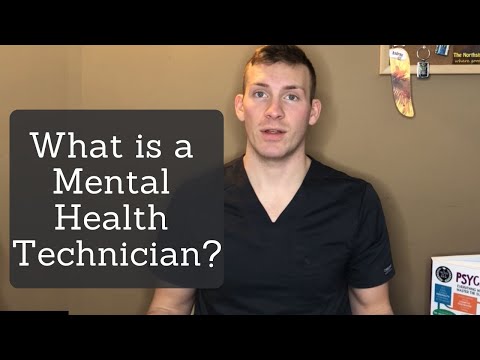
First off, what does a mental health aide actually do? You’re basically there to support individuals with mental health issues. This can mean assisting them with daily activities, offering emotional support, and helping them follow treatment plans. You’re part of a team that helps create a safe environment for those who are struggling.
Essential Qualifications
You don’t need to have a fancy degree to get started as a mental health aide. Typically, here’s what people look for:
- High School Diploma or GED: Most positions require this basic educational background.
- Training Programs: Some places offer specific training for mental health aides. This usually covers essential skills like communication and recognizing signs of distress.
- Crisis Intervention Skills: Knowing how to defuse tense situations is crucial. Training in crisis management can be really helpful.
- Certifications: While not always necessary, certifications in First Aid or CPR can be beneficial and make your application stand out.
The Importance of Experience
Experience can boost your chances big time. Volunteering at local hospitals or community centers gives you hands-on exposure. Plus, it’s a great way to see if this line of work fits you.
Let me tell you about Lisa—a friend of mine who decided to become a mental health aide after volunteering at a crisis hotline. She found it exhausting yet incredibly rewarding when she helped someone feel heard during their darkest moments.
Navigating Job Opportunities
Once you’ve got some qualifications under your belt, it’s time to look for openings in your area. Mental health facilities, hospitals, and even residential treatment centers often need aides. Websites dedicated to job listings usually have sections specifically for healthcare roles.
Keep an eye out for local workshops or job fairs focused on mental health careers too! They’re excellent opportunities to network and learn about available positions.
The Path Forward
Thinking long-term? Many aides use their experience as stepping stones into more advanced roles—like becoming licensed counselors or social workers after obtaining further education.
So there you go! Becoming a mental health aide is pretty straightforward once you know the steps and requirements involved. It’s not just about qualifications; it’s also about having compassion and the right mindset. If you feel drawn to help others through tough times, it could be just the right fit for you!
Top Jobs Paying $3,000 a Month Without a Degree: Unlocking Your Earning Potential
I’m here to help break down how you can find decent-paying jobs that don’t require a college degree, especially if you’re interested in fields like mental health. So, let’s talk about what it looks like to become a mental health aide and how that can lead to earning around $3,000 a month.
First off, being a mental health aide can be incredibly rewarding. You get to work directly with individuals dealing with mental health challenges. It’s one of those jobs where you can truly make a difference in someone’s life—like when you help someone struggling with anxiety manage their day-to-day tasks. That feels good, right?
Here are some key points when considering this path:
- No Degree Required: Most positions only need a high school diploma or equivalent. Some places might ask for some specialized training or certifications, which you can often get through short courses.
- Training Opportunities: While formal education isn’t always necessary, many employers offer on-the-job training. This means you’ll learn the ropes while getting paid! Even better—you might end up with skills that could help you move up in the field.
- Work Environment: Mental health aides generally work in places like hospitals, clinics, and community centers. The environments vary but typically involve working closely with patients and other healthcare professionals.
- Earning Potential: Many mental health aides earn around $30,000 per year—or about $2,500 a month—when they start out. But as you gain more experience and possibly specialize in certain areas of mental health care, it’s definitely possible to hit or exceed that $3,000/month mark.
And hey, let’s not forget the emotional side of things. Imagine being part of someone’s journey toward recovery; it’s incredibly fulfilling! You’ll encounter stories that tug at your heartstrings—the young guy who finally found his way back after battling depression or the woman who just needed someone to listen. Those connections are gold.
Now if you’re wondering how to get started, look for local community colleges or online platforms offering certifications for mental health support roles. Networking is also key; reach out to local healthcare facilities and inquire about volunteer opportunities or internships.
In summary, becoming a mental health aide offers an accessible route into a meaningful career without needing a degree. Plus, who wouldn’t want to make an impact on someone else’s life while also working toward financial stability? You got this!
Top High-Paying Jobs: Discover Careers That Can Earn You $400 an Hour
It seems like you’re interested in high-paying jobs, especially related to mental health aide opportunities. Let’s dig into this topic a bit!
When we talk about careers that can earn you $400 an hour, we’re not just looking at any job. These positions usually require specialized skills and a lot of experience. But hey, let’s connect this to mental health aides and what that field looks like.
First off, mental health aides play a crucial role in supporting individuals who are facing challenges such as anxiety, depression, or severe mental disorders. They often assist with daily activities—think cooking meals or helping with hygiene—while providing emotional support. While starting out might not land you that $400 an hour salary right away, there are paths here that can lead to higher earnings.
You might wonder how someone transitions from being an aide to those high-paying roles. Well, here’s how it typically happens:
- Education and Training: Most high-paying jobs in mental health require advanced degrees like a master’s or doctorate in psychology or social work.
- Specialization: Some areas of specialization can pay more than others. For instance, if you become a clinical psychologist with experience in trauma therapy or addiction counseling.
- Crisis Intervention: Professionals skilled in crisis intervention earn more during emergency situations. Think about roles where they assess individuals needing urgent care.
- Telehealth Services: With the growth of teletherapy, many therapists charge higher rates for online sessions. This flexibility also opens doors to wider geographical reach.
Let me share an example. I knew a guy named Mark who started as a mental health aide after college. He loved helping people but realized he wanted more challenging work—and money! He went back to school for his master’s in social work and focused on cognitive behavioral therapy (CBT). Fast forward a few years: he’s now making big bucks working with high-profile clients on their mental wellness!
Another thing worth mentioning is the growing demand for mental health services. We’re seeing increased recognition of mental health issues these days, which means there are more opportunities popping up all over the place.
To cap it off, while becoming a mental health aide is vital and rewarding work in itself, advancing your education and gaining experience can open doors to lucrative careers down the line—all while making a real difference in people’s lives! If you’re passionate about helping others and willing to put in the effort to advance your career, who’s to say you won’t be earning those top-tier salaries one day?
You know, when you think about mental health care, it’s easy to get lost in the big picture. But there’s something really meaningful happening right in your community—mental health aide opportunities. Seriously, it’s not just a job; it can be a chance to make a real difference in someone’s life.
I remember a friend of mine who got involved as a mental health aide after seeing how her younger brother struggled with anxiety. She started volunteering at a local organization. At first, she was nervous—like, «Can I really help?» But over time, she realized that just being there for someone could mean the world. She talked about how she was able to listen without judgment and offer support when things felt overwhelming.
The thing is, these roles can vary widely depending on where you live. In some communities, you might find positions in schools or hospitals. Others may have non-profits focused on recovery programs or outreach services. Each opportunity feels unique but shares a common goal: supporting people through tough times.
And let’s be real—getting involved can also be pretty fulfilling for you too. It’s like witnessing small victories every day as you help people learn coping strategies or just let them know they’re not alone. You develop skills too! Communication skills improve and so does your understanding of mental health challenges.
But it doesn’t stop there if you’re interested! Many places offer training programs that can provide valuable insights into mental health conditions and effective support techniques. Some even provide certifications that could lead to more advanced roles later on if that’s your jam.
So if you’re curious about jumping into this kind of work, check out local organizations or talk to people already in the field—who knows what connections you might find? Just think about the potential impact: one conversation could spark hope for someone feeling lost.
In short, while mental health aide opportunities might not seem like the most glamorous careers at first glance, they hold immense value for both the helpers and those they assist. It’s all about fostering connection and compassion in our communities—and honestly? That sounds pretty awesome to me!