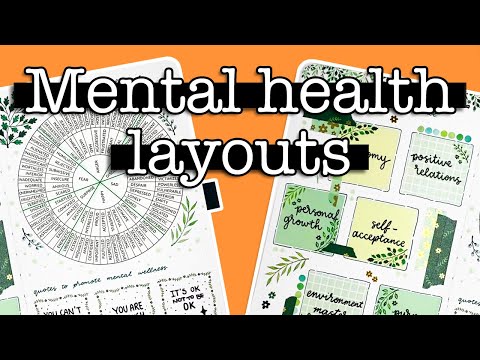
So, let’s talk about something cool: bullet journaling. Seriously, it’s not just for planners or folks obsessed with organization. It’s like a secret weapon for your mental health.
Picture this: you’ve had a long day, your mind is racing, and you’re just trying to keep it together. What if I told you that jotting down your thoughts could actually help? Yep, it can be that simple.
Bullet journaling isn’t about perfect layouts or cute doodles—though those are fun too! It’s more about creating a space where you can unload all the stuff bouncing around in your head.
You can track your moods, set goals, or even just vent a little. So, if you’re curious about how this little notebook tradition can boost your self-care routine, stick around! There’s more to discover here than meets the eye.
Unlocking Self-Care: A Comprehensive Guide to Mental Health Bullet Journaling Templates
Creating a mental health bullet journal can feel like a breath of fresh air, you know? It’s a way to organize your thoughts, feelings, and goals while also putting your self-care front and center. Let’s break it down.
First off, **bullet journaling** is pretty much a customizable planner that helps you track everything from daily moods to long-term goals. More than just a calendar, it allows you to monitor your mental health in a creative way. Think of it like having a personal therapist on paper!
So, how do you actually get started? Here are some key elements to consider for your mental health bullet journal:
- Mood Tracking: Create a simple mood tracker with colors or symbols representing different feelings. For example, green for happy and blue for sad. This helps you spot patterns over time.
- Gratitude Log: Write down things you’re grateful for each day. Even on tough days, finding one small thing can really uplift your spirits.
- Daily Reflections: At the end of the day, jot down what went well and what didn’t. This isn’t about being perfect; it’s about getting to know yourself better.
- Goals Page: Set short-term and long-term goals that resonate with you emotionally. Maybe you want to try meditation or reconnect with an old friend.
- Self-Care Checklist: List out activities that recharge your batteries—like reading a book or going for a walk. Check them off as you do them!
- Affective Prompts: Use prompts like “What made me smile today?” or “What do I need more of in my life?” These questions spark deeper self-exploration.
Now let’s talk about this woman I know—Sarah. She used her bullet journal as a safe space during some tough times at work. Initially overwhelmed by stress, she began tracking her mood daily. Over weeks, she noticed she felt better on days when she spent time outside or connected with friends.
It’s fascinating how writing things out gives clarity! Sarah started incorporating more outdoor time into her week because she recognized its impact on her mood—what worked for her might work for you too.
The beauty of bullet journaling is that there’s no right or wrong way to do it; your journal reflects *you*. You might decorate with doodles or keep things minimalistic—you choose! Don’t be afraid to experiment until it feels right.
In summary: Bullet journaling can be an effective tool in managing mental health and fostering self-care routines. Whether it’s tracking moods or setting intentions, this practice helps create awareness around what matters most in your life.
So grab those pens and start exploring what makes *you* tick!
Transform Your Self-Care Routine with Mental Health Bullet Journaling Printables
So, you wanna talk about transforming your self-care routine with mental health bullet journaling? Awesome idea! Bullet journaling isn’t just about writing things down; it’s a way to check in with yourself and really get a handle on your mental health. Seriously, it can be a game changer.
First off, what is bullet journaling? It’s like a mix between a planner and a diary. You create sections for different areas of your life and jot down thoughts, tasks, or feelings as they come up. The cool thing is that you can customize it however you want. No rules, just you doing your thing.
Now, let’s jump into how bullet journaling can help with self-care. It creates space for reflection and planning—two essentials for mental wellness. Here are some ways to make the most of it:
- Daily Check-Ins: Start each day by writing down how you’re feeling. Are you anxious? Happy? Just okay? Doing this helps you recognize patterns over time.
- Gratitude Lists: Jotting down three things you’re grateful for can seriously lift your mood. It shifts your focus to the positives in life.
- Mood Trackers: Create a visual representation of your moods throughout the month. Color-coding or drawing icons can make this fun and insightful.
- Self-Care Goals: Write down specific self-care activities you want to do every week—like going for walks or reading a book—then check them off as you go!
One time, I had this friend who was feeling lost and overwhelmed with life’s chaos. She started using a bullet journal and began tracking her anxiety levels daily. It helped her see that her feelings were tied to certain triggers—like not eating well or skipping sleep—and she could address those issues directly.
What’s cool is that when you use printables specifically designed for mental health, it becomes even easier! These are templates meant to guide you through various aspects of mindfulness and self-awareness without needing to come up with everything from scratch. You can find printables for things like:
- Mood charts
- Habit trackers
- Affirmation sections
These tools are like having cheat codes for better mental health. When everything’s laid out in front of you, it takes some weight off your shoulders.
Another big plus of bullet journals is that they promote creativity! You don’t have to be Picasso; just doodling or decorating pages gives your brain another outlet besides maybe scrolling through social media (which… let’s face it, we all could use less of!).
So if you’re thinking about starting this journey, grab some colorful pens and paper—or even digital tools if that’s more your style—and just begin filling those pages with whatever comes to mind.
Of course, remember that it takes time to build any kind of routine; don’t stress if it’s not perfect right away! The key here is consistency and allowing yourself the freedom to express whatever you’re feeling without judgement.
In short, bullet journaling isn’t just writing; it’s about understanding yourself better while keeping self-care at the forefront of your mind. So go ahead—get those creative juices flowing and start prioritizing YOU!
Unlock Effective Self-Care: Free Mental Health Bullet Journaling Ideas
Hey, let’s chat about mental health bullet journaling. So, you might be wondering why this is something to think about for self-care. Well, bullet journaling can be a great way to organize your thoughts and emotions. It’s like having a personal space where you can breathe and reflect.
One of the cool things about bullet journaling is that it’s super flexible. You don’t have to stick to any rigid rules, and that makes it fun! Just grab a notebook and some colored pens; honestly, that’s all you really need to start.
Set Your Intentions
First off, think about what you want from your journaling journey. Maybe it’s clarity on your feelings or tracking your mood—that’s totally valid! Just jot down a few sentences about what self-care means for you. This doesn’t have to be fancy; it could even be like “I want to feel less stressed.”
Mood Trackers
A popular technique is using mood trackers. You can create a simple chart where you mark how you feel each day. For example, use different colors for different feelings—blue for sad, yellow for happy, or green for chill. Over time, you’ll see patterns in your emotions… kind of like looking at the weather report but for your mind!
Daily Gratitude Logs
Another idea? Keep a daily gratitude log. Every evening, write down three things that made you smile during the day—even if it was just a good cup of coffee! This helps shift focus from stressors to positives in life.
Self-Care Checklists
Want more structure? Create self-care checklists! List activities that help you unwind—like reading a book or going for a walk—and check them off as you do them! Make this list personal—what helps *you* may not help someone else.
Reflection Pages
Then there are reflection pages. At the end of each week or month, look back at how things went emotionally and mentally. Write down what worked well and what didn’t; this can give important insights into patterns in your life.
You might find journaling becomes like chatting with an old friend—with all the ups and downs that come with it! Seriously though, don’t stress if it feels overwhelming at times; just go with the flow.
Doodle & Sketch Pages
And hey, if words aren’t really your thing? Try doodling or sketching instead! Art can be an amazing outlet for expressing emotions without having to label them directly with words.
So basically, bullet journaling isn’t just writing—it’s about creating a mental space where you can process what’s going on in your life while also focusing on self-care strategies that resonate with *you*. Give yourself permission to experiment and enjoy the process!
You know, mental health can be a tricky thing. Some days you feel on top of the world, and others, well, they just kind of suck. I’m all for finding ways to take care of yourself during those not-so-great times. And that’s where bullet journaling comes into play. Seriously, it can be a total game changer for your self-care routine.
So, let’s talk about why bullet journaling is such a hit among folks trying to manage their mental health. It’s like having your own personal therapist on paper—minus the hourly fee! You can track your moods, jot down what you’re grateful for, or even list out goals you want to smash. It gives you a real tangible way to reflect on how you’re feeling and what’s going on in your life.
I remember when I first started bullet journaling. I was feeling overwhelmed with everything—work, relationships, all that adulting stuff. My mind was like a tornado of thoughts whirling around and making it hard to focus. One night, I sat down with some colored pens and a blank notebook—I barely knew what I was doing! But as I started putting my thoughts down on paper, something clicked. I began doodling little boxes with my emotions inside them and writing down small things that made me smile during the day.
What really surprised me? By the end of the month, I could look back at my pages filled with positivity alongside my struggles. Seeing patterns in my moods helped me understand what triggered those feelings and what lifted me up—a little like connecting the dots in a fun puzzle.
And let’s not overlook how creative it can be! You can personalize your journal however you want: drawings, stickers—even some fancy lettering if you’re into that sort of thing. It gives you an outlet for expression while also keeping things structured. Pretty neat combo if you ask me!
Now don’t get too caught up in making it perfect; that’s not the point at all! The beauty lies in being real with yourself—raw emotions included—and using this tool as a way to navigate through life’s ups and downs.
So yeah, if you’re trying to figure out self-care strategies that really resonate with you, give bullet journaling a shot! It might just become one of your favorite rituals for checking in with yourself as you navigate the wild ride we call life.