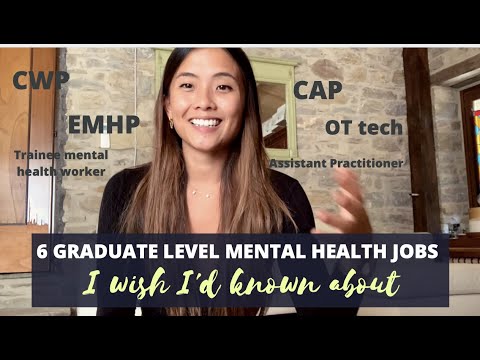
Hey! So, have you ever thought about what it’s like to be a mental health coach? It’s a pretty fascinating gig, honestly.
Imagine helping people navigate their feelings and tackle life’s ups and downs, all while doing something you love. It’s like being a guide through the wild journey of the mind!
The mental health field is buzzing with opportunities right now. With more folks recognizing the importance of mental wellness, there’s a growing demand for coaches who get it.
You don’t have to be a therapist to make an impact. Sometimes, it’s all about lending an ear and offering some solid advice. Plus, there are tons of different paths you can take within this space.
So if you’re curious about exploring this world or just want to see what’s out there, stick around! We’re diving into some exciting job opportunities that might just spark your interest.
Essential Degrees and Qualifications for Aspiring Mental Health Coaches
Becoming a mental health coach is an exciting journey. It’s one where you get to help people navigate their emotional struggles and improve their overall well-being. But before you jump in, let’s talk about the essential degrees and qualifications that can set you on the right path.
First off, education matters. While there’s no single route to becoming a mental health coach, having a background in psychology is super beneficial. You don’t necessarily need a doctorate, but a bachelor’s degree in psychology or social work can give you a solid foundation. This way, you’re familiar with basic theories of human behavior and emotional wellness.
Next, consider pursuing certification programs. These programs focus specifically on coaching skills rather than clinical therapy techniques. Certification can make you more credible in this field and reassure clients that you’ve got the training they’re looking for. Look for programs recognized by professional organizations like the International Coach Federation (ICF) or the Center for Credentialing & Education (CCE).
Another important area is experience. Volunteering or working in mental health settings can be invaluable. Whether it’s at local organizations or online platforms, real-life experience exposes you to different scenarios and helps build your confidence as a coach. Plus, it’s great networking for future job opportunities!
Don’t forget about ongoing education. Mental health fields evolve rapidly; staying updated with new trends and research is crucial. Look for workshops, conferences, or online courses that keep you informed about the latest in mental health coaching.
Let’s not overlook soft skills. Being an effective mental health coach means being empathetic and a great listener. You should also develop skills like goal-setting and motivational techniques to help clients maximize their potential.
Lastly, consider joining professional associations related to coaching or psychology. This can offer access to additional resources, networking opportunities, and even job listings tailored to mental health coaches.
To wrap it up, remember this is not just about degrees but also about genuine passion for helping others find their way through life’s ups and downs. Your journey might be unique—embrace that! With the right blend of education, certification, experience, ongoing training, skilled communication capabilities—and lots of heart—you’ll be well on your way to becoming an amazing mental health coach!
Understanding the Key Differences Between Psychologists and Mental Health Coaches
Understanding the key differences between psychologists and mental health coaches can be a bit tricky. They both aim to help people, but their roles and training are pretty different. Let’s break it down.
Training and Credentials
Psychologists typically have a doctoral degree in psychology. This means they spent years studying human behavior, emotions, and mental processes. They often have to complete internships and go through rigorous licensing exams to practice. On the other hand, mental health coaches usually don’t need such formal education. Their training can vary widely, from short courses to certifications in coaching methods.
Approach to Mental Health
When you think of psychologists, think of them as detectives of the mind. They use various therapeutic techniques to diagnose and treat mental health conditions like depression or anxiety. You might talk about your past experiences in therapy sessions, uncovering patterns that affect your present life. Mental health coaches, however, are more like personal trainers for your mind! They focus on helping you set goals, build skills for coping with stress, or improve your overall well-being. Their conversations are usually action-oriented rather than delving deep into past traumas.
Scope of Practice
This is where things get really interesting! Psychologists can diagnose mental illnesses and provide therapy for them. If you’re dealing with serious issues like PTSD or bipolar disorder, seeing a psychologist is crucial. In contrast, mental health coaches don’t diagnose or treat mental illnesses; instead they assist with personal growth and achieving goals related to overall happiness and fulfillment.
Methods and Techniques
Psychologists often use established treatment methods like cognitive-behavioral therapy (CBT) or dialectical behavior therapy (DBT). These approaches rely on science-backed practices tailored for specific issues. For example, if someone struggles with negative thought patterns, a psychologist can teach strategies adapted from CBT to shift those thoughts over time. Meanwhile, mental health coaches might employ different techniques such as motivational interviewing or mindfulness exercises but without a clinical framework.
Client Relationship
The relationship between clients and psychologists tends to be more formal due to the nature of the work—they’re trained professionals addressing complex problems through structured sessions. You’re likely diving deep into emotional processes here! Conversely, the connection with a mental health coach is often more casual and personable. It’s about mutual motivation—think about cheering each other on as you tackle life’s challenges together.
The Bottom Line
In summary:
- Education: Psychologists need advanced degrees; coaching has varied requirements.
- Treatment: Psychologists handle diagnosis and therapies; coaches focus on setting personal goals.
- Name: You usually don’t call yourself a “mental illness coach.” Instead it’s all about growth!
- The Approach: Therapy dives deep into emotions; coaching encourages active goal-setting.
So whether you’re looking for deep emotional healing or just someone to help you stay motivated in life—both paths can offer valuable support but serve very different purposes! Just keep in mind what you’re really looking for when deciding who might be right for you at any given moment.
Exploring Career Opportunities: What You Can Do with a Mental Health Psychology Degree
Sure thing! So, let’s talk about what you can do with a mental health psychology degree, particularly if you’re looking at becoming a mental health coach. This field is gaining more attention, and honestly, it’s pretty exciting.
First off, you should know that mental health coaches are all about helping people improve their mental well-being. They don’t diagnose or treat mental health disorders like psychologists or psychiatrists do. Instead, they focus on supporting folks in achieving personal goals, managing stress, or just getting through tough times. It’s like having a buddy who knows a bit about psychology and can guide you through the rough patches.
Now, if you’re considering this path, here’s what you might expect:
- Work Settings: Mental health coaches can be found in various places—like private practices, wellness centers, corporate offices (yep), or even schools. Basically anywhere people need support.
- Clientele: You could work with all sorts of folks—students juggling school pressure, professionals dealing with work stress, or even parents trying to balance everything.
- Coaching Techniques: A big part of the job involves using techniques like active listening and motivational interviewing. This means really tuning into what your clients say and helping them find their own solutions rather than just giving advice.
- Crisis Management: While you’re not a therapist, you’ll need to know when to refer someone to a licensed professional if they need deeper help. It’s crucial to recognize your limits.
- Workshops and Programs: Many coaches create workshops or programs focused on specific topics—like stress management or mindfulness—which can be super helpful for groups.
- Networking Opportunities: Connecting with other professionals in the field can really open doors for collaboration and job opportunities down the line.
And listen: a lot of times when people think about working in mental health coaching, they imagine being stuck at a desk. But that’s not necessarily the case! You might find yourself leading group sessions outdoors or helping clients set up healthy routines over coffee chats.
Here’s an emotional angle to consider: there’s something incredibly rewarding about helping someone realize their self-worth or guiding them through anxiety-laden moments. You’ll often see those “aha” moments when your client makes progress—there’s nothing quite like it.
Most importantly though? If you’re seriously thinking of going this route, remember that having strong communication skills and empathy is key. It’s not just about having the knowledge; it’s how you connect with people that makes all the difference.
Overall? If you have a passion for psychology and want to make an impact without diving deep into clinical settings, becoming a mental health coach could be right up your alley!
So, let’s talk about mental health coaching and the job opportunities that come with it in the psychology field. You might think it’s just a fancy title or another trend in therapy, but there’s actually a lot more to it.
Mental health coaches play a key role in helping people navigate their emotions, develop strategies for coping with stress, and really just improve their overall well-being. They’re not therapists per se, but they’re like motivational buddies who guide you on your journey toward better mental health. You know?
I remember when my friend Alex was feeling really overwhelmed with life—work stress, relationship issues, and everything in between. He didn’t want to go down the traditional therapy route at first because he thought it would be too intense or even unnecessary. Then he found a mental health coach who helped him see things from a different angle and set realistic goals. That coach basically became his sounding board, which totally changed how he dealt with his problems.
In terms of job opportunities? There’s definitely a growing demand for this role. More people are realizing they need support outside the typical therapy sessions. Schools are hiring coaches to help students manage anxiety. Businesses are catching on too; they want employees who can handle stress better, so they’re bringing in coaches to offer guidance.
To get into this field, you usually don’t need as much schooling as you would for traditional psychology roles. Many coaches have backgrounds in related fields—like social work or general counseling—but there are also specialized training programs out there that focus directly on coaching techniques and mental health strategies.
But like any job, it can come with challenges. The emotional toll of helping others can be heavy—sometimes draining—even when you’re passionate about what you do. It’s crucial to set boundaries and make sure you’re taking care of your own mental health too.
So if you’re thinking about getting into this space? Just know that there’s plenty of room for empathy and understanding here. It feels rewarding when you can help others find their way through tough times—it really is something special!