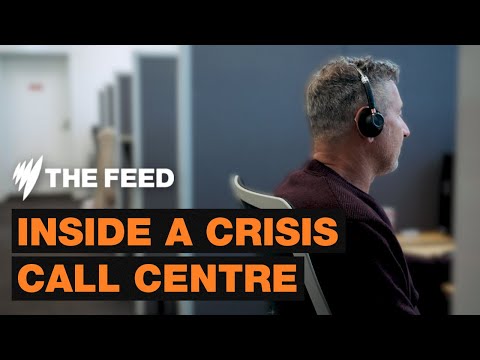
You know, there’s something really special about being there for someone in a tough spot. Like, just imagine answering a call from someone who’s feeling completely lost or overwhelmed. Pretty intense, right?
Hotline work is that lifeline. It’s a place where your voice can make a difference. You get to listen, support, and help people navigate their darkest moments. Seriously, what could be more rewarding than that?
And it’s not just about talking. It’s about connection, empathy, and understanding—like being a friend to someone who really needs it. So if you’re curious about how you can dive into this field, stick around. There’s so much to explore!
Top Careers That Make a Difference in Mental Health Support
When we talk about mental health support, hotline work is a vital piece of the puzzle. It’s not just about answering calls; it’s about providing immediate help and connecting people with resources. There are several careers that fall under this umbrella, each playing a crucial role.
Crisis Hotline Counselor is probably one of the most recognized roles. These folks are on the front lines, answering calls from individuals in crisis. They’re trained to listen, offer emotional support, and help callers find the best next steps. The experience can be intense, but knowing you’ve made a difference in someone’s moment of need is incredibly rewarding.
Another key player is the Suicide Prevention Specialist. This role often overlaps with crisis counseling but focuses specifically on preventing suicide. These specialists are trained to work through complex emotions and thoughts that people might be experiencing. They not only provide immediate support but also guide callers toward long-term solutions.
- Therapist or Counselor: While they typically work in more structured settings like clinics or private practices, many therapists also volunteer their time for hotlines. They bring knowledge of coping strategies and therapeutic techniques that can really change lives.
- Administrative Support Staff: Not all heroes wear capes! These individuals keep the hotline running smoothly behind the scenes. They handle logistics, manage schedules, and ensure things flow well while counselors focus on callers.
- Training Coordinator: Training coordinators are essential for preparing new hotline volunteers and staff. They develop training programs focusing on everything from communication skills to understanding mental health crises.
- Outreach Specialist: These roles focus on raising awareness about mental health resources available through hotlines. Outreach specialists help ensure that those who need support know where to find it.
The training for these roles varies significantly but usually includes active listening skills, crisis intervention techniques, and an understanding of mental health issues. Sometimes they even run practice scenarios to prepare for real-life calls! It’s serious stuff—there’s no room for guesswork when people’s lives could be on the line.
The emotional burden can be heavy too; many hotline workers experience vicarious trauma due to hearing other people’s struggles regularly. Self-care becomes crucial here—it’s not just about being there for others; you need to take care of yourself as well!
If you’re interested in making a real impact in mental health support through hotline work, consider volunteering or looking into formal education related to psychology or social work. Every role is important—you never know how your presence might change someone’s day or even their life!
Explore Local Careers in Mental Health Hotline Support Near You
So, you’re thinking about diving into a career that supports mental health through hotline work? That’s awesome! Seriously, helping people when they need it most? That’s huge. There are so many opportunities out there, and you can make a real difference in your community.
First off, let’s talk about what hotline support really is. Basically, it’s providing emotional support and crisis assistance over the phone to anyone who calls in for help. These hotlines can cover everything from suicide prevention to general mental health support.
Now, if you’re looking to find local careers in this field, you might want to check out the following types of positions:
- Call Center Counselor: These folks are on the front lines. They listen to callers’ concerns and provide immediate emotional support. You’ll need some training here because, let’s be real, people often call in when they’re at their lowest.
- Crisis Intervention Specialist: This role involves helping individuals who are experiencing severe emotional distress or crises. You’ll be trained to assess situations and provide guidance on what steps someone should take next.
- Support Line Manager: If you’re looking for something with more responsibility, managing a hotline could be your jam! This includes overseeing staff, ensuring protocols are followed, and keeping the operation running smoothly.
- Volunteer Coordinator: Many hotlines rely on volunteers for support. As a coordinator, you’d recruit training volunteers and make sure they’re all set up to help others.
To get started in this field usually requires some background in psychology or social work – but it doesn’t always have to be super formal. Some hotlines might even take enthusiastic people who have life experience or relevant training from community programs.
You know what’s also cool? Many organizations offer specific training programs focused on crisis intervention techniques or active listening skills. It helps equip you with practical tools you’ll need every day on the job.
And don’t forget about personal qualities! You really should be empathetic and patient because sometimes calls can get intense—and that’s okay! The thing is, this work can also be emotionally taxing—so self-care is key.
Think about this for a second: one time I heard about a volunteer who answered calls on a suicide prevention line. They were able to connect with a caller just by showing compassion and love during that dark moment. It reminds us how powerful just talking can be!
Looking for local opportunities? Consider reaching out directly to nonprofits or community organizations that focus on mental health services nearby. Many places also advertise positions through job boards or their websites.
Overall, if you’re excited about making an impact while working closely with individuals in difficult spots—you’re seriously onto something great! Whether as part of a team or solo efforting—that support makes such a difference in someone else’s life.
Explore Work-from-Home Crisis Hotline Jobs: Make a Difference in Mental Health Support
Hey, so let’s talk about work-from-home crisis hotline jobs. You might be wondering what they are and how they make a difference in mental health support. Well, these jobs are all about helping people when they’re facing tough times. And with everything going on in the world, there’s a real need for compassionate listeners out there.
What do crisis hotline jobs involve? Basically, you’re on the line (or through chat) with someone who might be feeling overwhelmed, anxious, or even suicidal. Your job is to provide support and guidance without judgment. It takes a special kind of person to do this – someone who can stay calm and collected even when emotions are running high.
So here’s the deal: working from home means you can help people without having to sit in an office all day. You can be that lifeline for someone feeling isolated or scared, all while sipping your coffee in your pajamas! Plus, with technology making everything more accessible, these roles have become super important.
What skills do you need? Here are some key qualities:
- Empathy: You need to connect with others emotionally.
- Active listening: This means really hearing what someone is saying—not just waiting for your turn to talk.
- Crisis management skills: Knowing how to de-escalate tense situations is crucial.
- Good communication: Being clear and supportive in your responses matters.
Now let’s think about training. Most crisis hotline jobs offer specific training programs. They teach you everything from active listening techniques to understanding mental health issues better. This is where you get equipped with not just information but real-life strategies for handling calls effectively.
Imagine this: one day you’re chatting with someone who feels like they’re at rock bottom. They just lost their job and don’t see a way out. But then you guide them through some resources and practical steps they can take next. In that moment, you’re not just a voice on the other end; you’re offering hope and direction.
But it’s not all sunshine and rainbows; it can get heavy at times too—it’s deep emotional work! So self-care is really important here. You’ve gotta make sure you take time for yourself after tough calls; otherwise, burnout could hit hard.
In terms of job availability? These positions have been growing as more people realize how vital mental health support is. Many organizations offer remote opportunities that allow you to work flexible hours—so it’s pretty accommodating if you’re balancing other commitments too.
In short, working in crisis hotline jobs from home really gives you an opportunity to make a genuine difference in people’s lives while also taking care of yourself—and isn’t that something we all want?
You know, the whole idea of working in a mental health hotline is kind of incredible. Think about it—people are calling in at some of their most vulnerable moments. They’re reaching out for help, feeling totally lost and alone. That takes a lot of courage, right? And then there you are, on the other end of the line, ready to listen and lend a hand.
I remember chatting with a friend who used to work on a crisis hotline. She told me about one call that really stuck with her. A young person called in, feeling overwhelmed and hopeless. They just needed someone to listen without judgment. My friend talked with them for what felt like hours; they cried, shared their worries, and slowly started to feel lighter by the end of the call. It’s such a simple interaction but it can completely change someone’s day—or even their life.
Hotline workers play such an essential role in mental health support. Seriously! They’re often trained to assess situations quickly, provide emotional support, and help callers find resources if needed. It’s not just about picking up the phone; it’s about being that lifeline for someone who may have nowhere else to turn.
But it also takes a toll on these workers emotionally. I mean, hearing so many heavy stories every day can be draining. They’ve got to practice self-care and find ways to recharge after those intense conversations. Balancing empathy with their own mental well-being is crucial.
What I find amazing is how this work is becoming more recognized as vital—like it’s no longer just kind of overlooked expertise but something really important in our society today! People are becoming more aware of how crucial mental health is overall.
So yeah, if you think about a career in hotline work—or any role supporting mental health—it could be both rewarding and challenging at the same time. You’d get to make a real difference while also navigating your own emotions through what you hear day-to-day. It’s deep stuff but also incredibly meaningful!