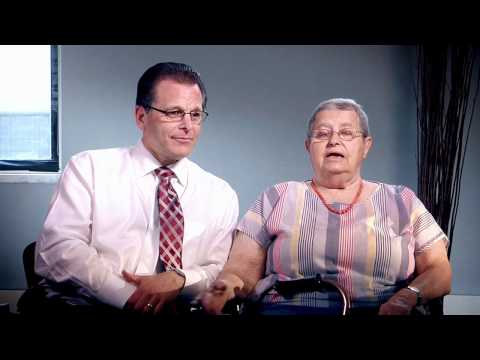
Hey, you know how life can throw us some curveballs as we get older? It’s like, one minute you’re feeling fine, and the next, your mind is playing all sorts of tricks on you. Seriously, aging isn’t just about the body; it’s about what’s happening up in our heads too.
A lot of older adults face mental health challenges—things like loneliness or depression. It can feel overwhelming sometimes. But here’s the thing: it doesn’t have to be that way. There’s support out there!
Whether it’s talking with friends or seeking help from professionals, there are ways to find your footing again. So let’s chat about this a bit. You know? Let’s not let aging keep us from feeling our best!
Understanding Mental Health Challenges in the Elderly: Key Issues and Solutions
Mental health challenges in older adults are more common than you might think. As people age, they face a unique set of struggles that can affect their emotional well-being. The thing is, these issues often go unnoticed or unaddressed, which is kind of a big deal. Let’s break it down.
One major issue is loneliness. Many older folks experience isolation. Maybe their friends have moved away or passed on, or perhaps they’re dealing with health problems that keep them from getting out and about. This isolation can lead to feelings of depression or anxiety.
Another challenge? Cognitive decline. Conditions like dementia and Alzheimer’s can really impact how someone thinks, remembers, and interacts with the world. It’s not just tough for the person experiencing it—family members feel the emotional toll too.
Physical health problems also play a huge role in mental well-being. Chronic illnesses like heart disease or diabetes can take a toll not just on the body but on mental health as well. It’s like battling two wars at once, you know?
- Medication issues: Older adults often take multiple medications for various conditions, which can lead to side effects that impact mood and cognition.
- Life changes: Retirement, loss of loved ones, and moving into assisted living facilities can trigger emotional upheaval.
- Lack of access to care: Sometimes seniors struggle to find mental health services due to transportation issues or stigma around seeking help.
The good news is there are solutions out there! For one, creating a supportive community can really help combat loneliness. Regular social activities or even just phone calls from family members can make all the difference.
Therapy options, including talk therapy and group sessions specifically geared towards seniors, can provide essential emotional support. Plus, engaging in physical activity—like walking clubs or yoga—can boost both physical and mental health simultaneously.
You know what else works? Education! Teaching older adults about mental health—you’d be surprised how many don’t realize that it’s okay to seek help—is super valuable.
In short, while mental health challenges in the elderly are significant and complex, understanding these key issues helps pave the way for effective solutions that make life better for our older loved ones. It’s all about connection and care!
Overcoming Common Barriers to Mental Health Care for Older Adults: Key Insights and Solutions
Alright, let’s talk about some of the common barriers older adults face when it comes to mental health care. These challenges can be pretty tough, but understanding them is the first step to overcoming them.
Stigma is a big one. Many older folks grew up in a time when mental health issues weren’t really talked about. They might feel embarrassed or ashamed to seek help—even if they desperately need it. Imagine someone who’s been struggling with depression for years but thinks asking for help makes them weak. That’s heavy, right?
Then there’s the issue of access. Not everyone has a car or can get to a therapist’s office easily. Public transportation can be tricky, and if you live in a rural area, options might be super limited. Picture an older adult living alone in a small town. They might want help but find it hard just getting to an appointment.
Another hurdle is healthcare costs. Even with Medicare, mental health services can feel pricey—especially if certain treatments aren’t covered. It’s frustrating when financial worries prevent someone from getting the care they need.
And let’s chat about technology. Many services are moving online now, which means video chats and apps are becoming the norm for therapy sessions. But not everyone is comfortable using tech—especially if they didn’t grow up with it. Think about your grandma trying to navigate Zoom; it could be a whole adventure!
Now, what can be done? Here are some ideas that could really help:
- Awareness Campaigns: Sharing stories of recovery can help break stigma.
- Transportation Services: Local organizations could offer rides or even virtual appointments.
- Cost Assistance: Programs that provide financial support for mental health services would be amazing.
- Tech Training: Community classes on how to use technology can empower older adults.
So yeah, while these barriers are real and challenging, there are definitely ways we can tackle them together. By raising awareness and creating accessible opportunities for support, we can help older adults prioritize their mental health without feeling like they’re climbing uphill all alone!
Overcoming Barriers: Key Challenges in Delivering Mental Health Services to the Elderly
Overcoming barriers in delivering mental health services to the elderly can feel like climbing a steep mountain. Seriously, it’s not easy. But understanding the key challenges can help us find our way up there, you know?
Stigma is one of the biggest hurdles. A lot of older folks grew up in a time when mental health issues were not openly discussed. So, seeking help might make them feel embarrassed or ashamed. For example, imagine someone who feels depressed but thinks, “This isn’t something I should talk about.” That mindset keeps them from getting the support they really need.
Another big challenge is access to services. Many elderly people live in rural or isolated areas where mental health professionals are scarce. Picture this: an elderly veteran wants to talk about PTSD but has to drive an hour just to see a therapist. That’s a lot of effort, and many may just decide it’s not worth it.
Then there’s transportation issues. Like, even if access was better, getting to appointments can be tough for those who don’t drive anymore or have mobility challenges. You might have someone who genuinely wants help but can’t find a ride or is too frail to manage public transport.
Next up is health literacy. Older adults may struggle with understanding mental health resources or what kind of help they need. They might hear terms like “anxiety disorder” and think it sounds complicated and scary—so they just avoid it altogether instead of asking questions.
Also, let’s talk about co-occurring medical conditions. It’s common for older adults to juggle multiple health issues—think diabetes along with depression. This overlap can complicate treatment plans because healthcare providers sometimes focus more on physical health than on emotional well-being.
Another huge barrier is caregiver support. Family caregivers often shoulder the burden of looking after their elderly loved ones’ needs. But these caregivers may feel stressed themselves and might lack knowledge about available mental health resources for their aging family members.
And don’t forget about financial constraints. Many older adults are on fixed incomes or may not have insurance that covers mental health services adequately. So even if they wanted help, they could be stuck thinking, “I can’t afford that.”
Finally, there’s the question of cultural competency. Our society is super diverse; different backgrounds bring different views on mental health. If providers aren’t culturally sensitive or aware of these differences, they could inadvertently alienate their patients.
So basically, addressing these barriers means we need teamwork—from healthcare providers being more accessible and understanding to community programs making transportation options better for seniors. It’s all connected! With some thoughtful approaches and adjustments, we can make significant strides in supporting older adults’ mental well-being!
You know, when you think about mental health, it’s often the younger crowd that comes to mind. But seriously, older adults face their own unique set of challenges that can sometimes get overlooked. I mean, imagine someone who’s been through decades of life experiences, losing friends and loved ones along the way—it’s a lot to handle.
A close friend of mine recently shared with me how her grandmother struggled after her husband passed away. She went from being active and social to feeling isolated and lost. It was heartbreaking to watch her go through that change. They just don’t always have the support systems that younger folks might have; friends might be gone or they may not feel comfortable reaching out for help.
There are a bunch of reasons why older adults might grapple with mental health issues like depression or anxiety. Physical health problems can play a huge role. If you’re dealing with chronic pain or illness, it can really take a toll on your mood and outlook on life. Plus, there’s often this stigma about mental health in older generations—like it’s a sign of weakness to ask for help when really it’s brave!
But there is hope! Support can come in many forms. Community centers often offer programs designed specifically for seniors, encouraging social interaction and providing resources for those who need them. Family members can also play an important role by being there, listening, or just spending time together.
Sometimes it just takes one person reaching out to make someone feel less alone—you know? So if you’re worried about an older loved one, don’t hesitate to check in on them. Just asking how they are doing can make all the difference. Letting them know they’re not navigating this wild ride by themselves is crucial.
If we could all remember that mental health matters at any age and acknowledge that seniors deserve support too, we could make such a big impact on their lives!