Hey there! So, you know how mental health is becoming a big topic these days? Well, there’s a whole world of careers out there that mesh mental health with law.
It’s pretty cool when you think about it. You can be a part of helping people while also navigating the legal side of things.
Whether you’re into psychology or counseling, there’s something for you here. Seriously!
Imagine being that bridge between the emotional stuff and the legal stuff. Sounds super interesting, right?
Let’s chat about what this looks like and why it matters so much.
Exploring Careers at the Intersection of Psychology and Law: Top Options You Should Consider
If you’re thinking about a career that blends psychology and law, you’re in for an intriguing journey. It’s not just about the courtrooms or the therapy offices; it’s also about understanding how mental health issues impact legal situations. So, what are some cool options you should consider? Let’s break it down.
- Forensic Psychologist: This is one of the most common paths. Forensic psychologists work within the legal system, providing insights into criminal behavior and mental health evaluations. They might assess a defendant’s competency to stand trial or help with sentencing recommendations based on psychological assessments.
- Legal Consultant: If you have a knack for both fields, being a legal consultant can be a fulfilling choice. You’d work with attorneys to interpret psychological data or advise on cases involving psychological factors. This is where your expertise can help lawyers understand the mental health aspects of their cases better.
- Mental Health Advocate: You can also become involved in advocacy, pushing for changes in laws surrounding mental health treatment and rights. Advocates often work with organizations to promote awareness and influence legislation that affects people with mental health issues.
- Clinical Social Worker: Social workers who focus on mental health provide counseling while navigating legal systems like family court or child protective services. They support individuals through crises while addressing factors like custody disputes where mental health plays a role.
- Mediators and Conflict Resolution Specialists: These professionals often deal with disputes where emotions run high, like family law cases or workplace conflicts. Understanding psychology helps them mediate effectively by considering emotional responses and motivations of those involved.
One real-world example is when a person charged with a crime claims they were not in their right mind during the act due to mental illness. A forensic psychologist would play a crucial role here—assessing their state of mind at that time and providing expert testimony in court. It’s intense but super impactful work!
If you’re hoping to mix these two fields, formal education will likely be key—think degrees in psychology and law or specialized programs focused on forensic psychology. Many roles may also demand licenses or certifications depending on your focus area.
The intersection of psychology and law offers tons of opportunities for making significant changes in lives and systems alike. Whether you’re helping shape legal outcomes or advocating for better mental health policies, there’s plenty of meaningful work waiting for you!
Exploring Careers in Counseling and Mental Health: A Comprehensive Guide
When you think about careers in counseling and mental health, it’s like opening a door to a world full of possibilities. Seriously, this field is way more than just talking to people about their problems. It’s about understanding the human experience, helping others find their way, and sometimes even working within the law that governs mental health practices.
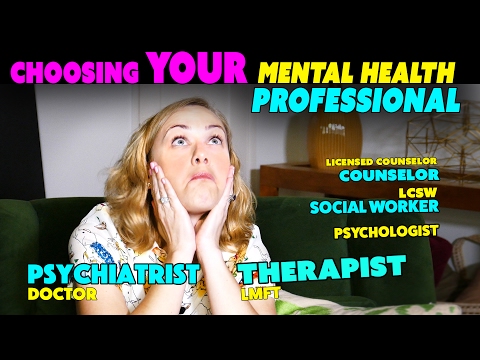
First off, what are the main career paths in this field? You’ve got a few options that might catch your interest:
- Counselors: These folks work in schools, hospitals, or private practices. They help clients tackle issues like anxiety or relationship problems.
- This path usually requires a doctorate. Clinical psychologists assess and treat mental disorders using methods ranging from therapy to testing.
- Social Workers: They often deal with broader social issues while providing counseling support. Think of them as advocates for clients dealing with things like poverty or family issues.
- School Psychologists: These professionals work primarily in educational settings, supporting students’ emotional and academic needs.
Now, if you’re pondering how mental health law fits into all this—great question! Mental health law focuses on the legal aspects affecting individuals receiving mental health care. It can be pretty complex since it deals with patient rights, confidentiality laws (like HIPAA), and even cases involving commitment.
Why is understanding mental health law important in counseling? Well, for starters, it helps you navigate tricky situations while advocating for your clients. Imagine a scenario where someone is struggling badly but refuses help. Here’s where knowledge of involuntary commitment laws comes into play—you need to know when it’s legal to intervene.
Let’s talk education because you’re probably wondering how to get started. Most careers in this field require at least a master’s degree. Relevant programs often offer courses on ethics, therapy techniques, and of course—mental health law!
If you’re serious about becoming a licensed professional counselor (LPC) or something similar, you will also need supervised hours—like internships or practicums—to gain real-world experience. This part can feel daunting but it really helps ground theory into practice.
Anecdote time! I once had a friend who was pursuing her master’s degree in social work. She was terrified during her first internship; she was worried she wouldn’t know what to say when clients opened up about their lives—yikes! But guess what? The more she listened and learned about ethical guidelines and confidentiality laws, the more confident she grew! By her third month in practice? She felt totally at home talking with clients.
After graduation and gaining experience through internships or related jobs, certification may be required based on your state’s regulations. Each state has its own rules for licensing board requirements—you’ve got to check those out!
In terms of job outlooks? Careers in counseling and mental health are reportedly on the rise due to growing awareness around mental wellness—people are taking notice! So if you’re thinking about jumping into this field? You won’t be alone!
To wrap things up: This career path offers lots of rewards but comes with challenges too—there’s no sugarcoating that part! If you’re empathetic and curious about people’s lives while wanting to advocate for their rights? Then exploring careers in this sector may just be your calling!
Exploring Career Opportunities with a Mental Health Psychology Degree: Unlock Your Potential
So, you’ve got your sights set on a mental health psychology degree? That’s awesome! There are many paths you can roam after graduation. Seriously, the options are vast and exciting. Let’s dig in!
First off, you might think about becoming a therapist or counselor. This is a pretty popular route. You’ll work directly with clients to help them navigate their feelings and challenges. The thing is, every day is different. You might be helping someone cope with anxiety one hour and then guiding another person through grief the next.
Then there’s clinical psychology. If you enjoy research and want to dig deeper into understanding mental processes, this could be your jam. Clinical psychologists often conduct assessments and provide therapy but also engage in research projects to push the field forward.
If legal matters pique your interest, consider mental health law careers. You can work at the intersection of law and mental health, which is fascinating! For instance, you could become an expert witness in court cases that involve psychological evaluations or help with policy development that affects mental health services.
- Forensic Psychology: This includes working within the criminal justice system. Forensic psychologists assess individuals involved in legal cases to provide insights into their mental state.
- Advocacy Roles: Mental health advocates push for changes in local laws and policies. They work with government agencies or NGOs aiming to improve access to care.
- Policy Development: Here’s where you can influence how mental health services are structured at community or national levels by developing better frameworks for treatment and support systems.
You may also stumble upon roles in educational settings. School psychologists help students deal with academic pressures while addressing emotional and social challenges they face. It can be incredibly rewarding seeing a child grow after getting the right support.
Don’t forget about research opportunities!. Many universities look for individuals who can contribute to studies on new therapies or treatment methods. Working alongside seasoned researchers can give you insights into cutting-edge developments in psychology.
The truth is, as someone with a mental health psychology degree, you’re armed with skills that are super valuable across multiple settings—hospitals, schools, private practices, or even corporate environments focusing on employee wellness programs.
Straight up: whatever path you choose will likely allow room for growth both personally and professionally. The field continues expanding as society recognizes the importance of mental health—so your future opportunities? Well, they’re only gonna get better!
If you’re passionate about helping others while diving deep into human behavior—or even shaping policies that affect people’s lives—you’re setting yourself up for something special!
Mental health law careers in psychology and counseling can be, like, super interesting and impactful. You might be wondering how the two worlds of mental health and law collide. Well, it’s not just about courtroom drama or legal jargon; it’s about understanding how the law interacts with people’s well-being. Imagine being in a position where you can help individuals navigate their legal rights while also considering their mental health needs. It’s pretty crucial stuff.
Let’s say someone is dealing with a tough mental health issue but also facing legal troubles—maybe they’ve been involved in a dispute over guardianship or are trying to access their rights for treatment. That’s where professionals trained in both areas can step in and really make a difference. They can advocate for clients, helping them understand their rights while also ensuring that these rights respect their mental health needs.
I once met someone who had gone through the ringer with a situation just like this. She was struggling with anxiety that made it hard to communicate effectively, especially when it came to her legal case about her child’s custody. Having someone who understood both the psychological and the legal aspects was a game changer for her—just having that support made her feel more empowered.
In these careers, professionals often work in various settings—like hospitals, private practices, or even community organizations—where they can dive into mental health issues and legal frameworks simultaneously. It’s not just about being knowledgeable; it’s about compassion too. You’re often working with folks who feel vulnerable or lost in the system.
And honestly? The journey isn’t without its challenges. Navigating laws that govern mental health treatment can feel like walking through a maze sometimes—a frustrating experience for anyone involved! But at the end of the day, professionals who choose this path have an opportunity to create real change by building bridges between mental health care and legal support.
So if you’re interested in a career that combines these two fields, know you’re stepping into something meaningful — it’s all about advocating for those who need help finding their way through some pretty complex systems.