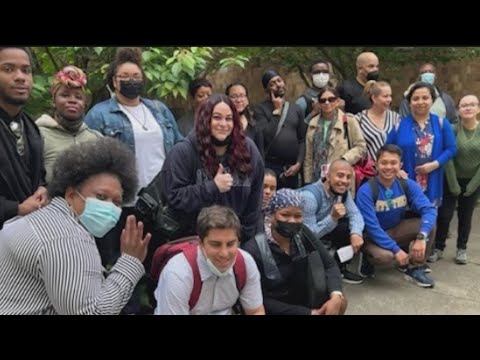
So, you’ve heard about mental health peer specialists, right? They’re those amazing folks who’ve been through their own battles and now help others. It’s real powerful stuff.
But here’s the kicker: there’s a whole certification process for this role. Yeah, it might sound all official, but it’s super important.
You wanna know what it takes? How it all works? I’ve got you covered. Let’s break it down together in a way that makes sense.
Understanding the Role of a Certified Peer Specialist in Mental Health Support
So, you’re curious about what a Certified Peer Specialist (CPS) does in the mental health world? Awesome! These folks play a pretty cool role in supporting people who are going through tough times, mostly because they’ve been there themselves. Their lived experiences give them a unique perspective that can make all the difference.
First off, let’s break down what a **Certified Peer Specialist** really is. Basically, it’s someone who has experienced mental health challenges and has trained to help others facing similar situations. They get certified, which means they’ve gone through specific training and met certain standards. This certification tells you they know their stuff and can genuinely help.
Now, here’s where it gets interesting. A CPS isn’t just a cheerleader on the sidelines; they’re right there in the trenches with you. Their role involves things like:
- Sharing lived experiences: They talk about their own journey, which helps others feel less alone.
- Providing support: Whether it’s listening or just being there when things get tough, they offer emotional support.
- Connecting to resources: They know where to find therapy groups, job training programs, or other helpful tools.
- Encouragement: They help build confidence by encouraging people to set and achieve personal goals.
Let me share a little story to put this into perspective. Imagine someone named Sam who’s been struggling with anxiety for years. It feels like an uphill battle every single day. Then Sam meets Jamie—a CPS. Jamie shares their own experience of battling anxiety but eventually finding ways to cope and thrive. This connection brings hope to Sam in ways that standard therapy sessions might not have accomplished alone.
Also, let’s talk about the value of having someone who really gets it! It’s kind of profound when you think about it. A Certified Peer Specialist often understands the nuances of mental health struggles better than anyone else could because they’ve walked that path personally.
CPSs often work in various settings too—like community centers, hospitals, or even schools. Their job is flexible but always centered around providing peer support tailored to each individual’s needs.
So why does this matter? Well, peer support can significantly impact recovery outcomes for many people coping with mental health issues. It’s not just about treatment; it’s also about empowerment and building resilience over time.
In short, Certified Peer Specialists are vital allies in the mental health landscape. They bring hope and understanding when things might feel dark or overwhelming—kind of like having a trusty compass during a stormy journey! So if you ever think you could benefit from connecting with someone who’s been through it all—and who really gets where you’re coming from—looking into finding a CPS might just be your next step forward!
Exploring the Various Types of Peer Specialist Certifications in Mental Health
So, let’s chat about peer specialist certifications in mental health. If you’re not super familiar, peer specialists are folks who use their personal experiences with mental health challenges to help others. They can be incredibly impactful because they get it, you know? Their lived experience creates a special bond with those they’re supporting.
Types of Peer Specialist Certifications
There are a few main types of peer specialist certifications, and each one has its own focus and requirements.
- National Certification: This is often provided through organizations like the National Certified Peer Specialist (NCPS) program. To get this, you typically need to complete some training and maybe log a certain number of hours helping others. It’s all about proving that you really understand what it means to navigate mental health challenges.
- State Certifications: Many states have their own programs tailored to what’s needed locally. For example, California might have different standards than Texas because they’re dealing with different populations and needs. So if you’re interested in becoming a peer specialist in your area, check out your state’s mental health department for details.
- Specialized Certifications: Some places offer certifications focused on specific populations or issues, like youth or substance use disorders. If you’re passionate about working with teens facing depression or addiction issues, there might be a niche certification just for that!
The Training Process
Getting certified usually involves training that covers key concepts around recovery, ethics, and communication skills. You’ll dive deep into topics about how to support someone through tough times without overshadowing their journey. It’s not just about sharing your story but empowering someone else to share theirs.
Before diving into training though, you might wanna consider some personal reflection first. Think about your own experiences—like moments when you’ve felt really stuck or how you’ve overcome challenges yourself—and how those experiences can help others.
The Impact of Being Certified
Once you’re certified as a peer specialist, the possibilities can open up! You might work at a local mental health clinic or lead support groups in schools or community centers. Your main job is to provide hope and guidance based on what you’ve personally gone through.
There’s something powerful about connecting with someone who really understands the struggle—like that moment when you realize you’re not alone in this huge world of mental health nuances.
This Isn’t Just About Job Prospects
It’s also important to remember that being a certified peer specialist isn’t just for employment; it’s also profoundly rewarding on a personal level! Helping others heal while sharing your journey can be an incredible way to foster growth for both yourself and those you’re supporting—even when things get rough.
So yeah, if you’re contemplating this path or even just curious about it all, know there are various options out there! Just think deeply about what areas resonate with you most—it could lead to an amazing opportunity not only for yourself but for others too!
Complete Guide to Peer Support Specialist Certification in Florida: Steps, Benefits, and Resources
Sure! Let’s break down what you need to know about **Peer Support Specialist Certification in Florida**. It’s a pretty important topic for those interested in mental health and helping others. Here’s how it goes.
First off, a Peer Support Specialist is someone who has lived experience with behavioral health challenges and uses that background to help others. Basically, you’re there to offer support because you’ve been through stuff yourself.
### Steps for Certification
Getting certified isn’t super complicated, but it does require some steps:
- Meet Eligibility Criteria: You should have personally experienced mental health issues or substance use disorders. It’s also necessary to have a high school diploma or GED.
- Training: Complete a certified peer specialist training program. In Florida, this often includes training on topics like recovery principles, communication skills, and ethical considerations.
- Pass the Exam: After training, you need to pass an exam that covers your training material. This step’s crucial because it shows you’re ready to support others.
- Application Process: Once you pass the exam, submit your application along with any required documentation and fees.
- Continuing Education: After certification, you’ll need to complete continuing education credits periodically to maintain your certification.
### Benefits of Certification
Now you might wonder: what’s in it for you? Getting certified as a Peer Support Specialist has its perks:
- Employment Opportunities: Many organizations are looking for certified specialists, especially in mental health settings.
- Personal Growth: The process can help you understand your own experiences better while developing valuable skills.
- Community Impact: You get to contribute positively by helping others navigate their recovery journey.
- Camaraderie: Connecting with other peers can help build a support network for yourself too!
### Resources
If you’re wondering where to find more info or training opportunities here are some helpful resources:
- The Florida Department of Health: They provide information on mental health services and updates on certifications.
- National Association of State Mental Health Program Directors: They offer resources about peer support at the national level.
- Your local NAMI (National Alliance on Mental Illness): Great place for community connections and information about trainings in your area!
This path can lead to significant personal fulfillment while making a real difference in people’s lives. If you’ve been thinking about becoming a Peer Support Specialist, don’t hesitate! Just remember—it’s all about using your journey to uplift someone else’s.
You know, the whole idea of mental health peer specialists is really something special. These folks have their own experiences with mental health challenges and use that to help others navigate their own journeys. It’s like having someone in your corner who totally gets it, right?
Now, when it comes to certification, well, that’s a big deal too. It’s not just about slapping a badge on someone and calling them an expert. Certification means they’ve gone through training that covers things like active listening, understanding mental health conditions, and how to support folks effectively without crossing boundaries. It’s kind of like getting a stamp of approval that says, “Hey, I know what I’m talking about!”
I remember chatting with a friend who went through this certification process. She had her own struggles with anxiety and depression but turned that around into helping others in similar situations. She told me how intense the training was—covering everything from building trust to knowing when to step back. It’s not just about sharing your story; it’s also about knowing how to support someone without overwhelming them or losing yourself in the process.
Being certified as a peer specialist gives you credibility in this field; it shows you’re committed to helping people in a way that’s both compassionate and skilled. Plus, it opens doors for job opportunities within different organizations focused on mental health support.
What’s pretty cool is that peer specialists often bridge gaps between traditional services and people who might be hesitant to seek help otherwise. They bring a sense of hope and understanding that maybe someone who’s never been through those dark times just can’t offer as effectively.
So yeah, certification matters—a lot! It helps ensure that peer specialists have the tools they need while also making sure those seeking help feel safe and understood in their recovery journey. It’s all about connection, support, and making sure nobody feels alone in their battles.