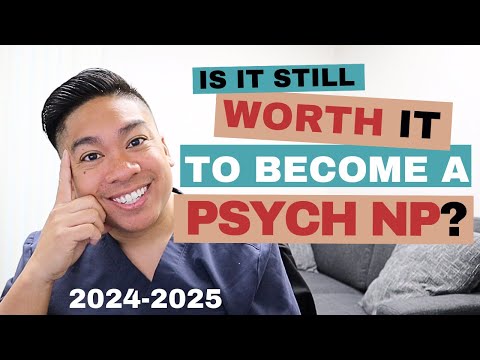
So, you’re thinking about a career in mental health? That’s awesome! Seriously, it’s such a vital field.
There are tons of opportunities out there, and they’re not all what you might expect. You might be picturing a therapist in a cozy office, but it’s way more diverse than that.
Think about it: from counselors and social workers to psychologists and even art therapists—there’s a little something for everyone. Every role can really make a difference in someone’s life.
And let’s be honest, we could all use more understanding and support in the world today, right? If you’re considering taking the plunge into this rewarding journey, stick around!
Exploring Career Paths in Mental Health: Opportunities and Specializations
Exploring career paths in mental health can be super exciting! There are a bunch of different roles you can take on, each with its own vibe and focus. It’s like a buffet of opportunities out there! Let’s break down some of the main ones, shall we?
Psychologist
So, psychologists usually study people’s thoughts, feelings, and behaviors. They often work in hospitals, schools, or private practices. Think about it: they help folks get to the root of their issues and find ways to cope. Whether it’s dealing with anxiety or navigating relationships, they play a key role in mental wellness.
Counselor
Counselors are all about providing support and guidance. They might focus on specific areas like school counseling or substance abuse. It’s pretty common for them to work in community centers or schools. Imagine helping someone figure out their life goals—pretty rewarding!
Social Worker
Social workers tackle mental health by connecting people with resources they need. This could be anything from therapy to housing assistance. They often work with vulnerable populations and can really make a difference in people’s lives by advocating for their needs.
Psychiatrist
Now, psychiatrists are medical doctors who specialize in mental health. They can prescribe medications and often combine this with therapy. If someone is struggling with severe mental health issues—like schizophrenia—they might turn to a psychiatrist for treatment options that include meds.
Marriage and Family Therapist (MFT)
If you’re into working with couples or families, being an MFT might be your jam! They help resolve conflicts and improve communication within families. Picture sitting down with a couple and guiding them through their challenges—that’s powerful stuff!
Clinical Psychologist
This one typically requires more advanced training. Clinical psychologists conduct assessments and provide diagnosis for various mental health conditions—they’re like detectives of the mind! By using tests and interviews, they get a comprehensive view of what someone is going through.
Psychoanalyst
Psychoanalysts dive deep into the psyche using techniques like free association and dream analysis. It’s more about exploring your subconscious thoughts to understand behaviors better. This approach can take longer but can uncover profound insights about oneself.
In addition to these roles, there are specialized fields like sports psychology, forensic psychology, or even geropsychology. Each area has its unique challenges but also offers great rewards when you see people make strides towards better mental health.
Honestly, if you’re considering diving into this field, figure out what excites you most! Each position has its own path regarding education requirements and certifications—most likely starting from a bachelor’s degree all the way up through master’s or even doctorate programs depending on what you choose.
So whether you’re leaning toward providing direct therapy services or supporting people in other ways behind the scenes, know there’s something for everyone in this field!
Understanding PMHNP Salaries in Nashville, Tennessee: What You Need to Know
If you’re looking into becoming a Psychiatric Mental Health Nurse Practitioner (PMHNP) in Nashville, Tennessee, it’s good to have a grasp on what the salaries are like. So, first things first, let’s talk numbers.
In Nashville, PMHNPs can earn anywhere from $90,000 to $130,000 a year. The exact salary often depends on factors like experience, education level, and the specific healthcare settings where you work. For instance, working in hospitals tends to pay more compared to community clinics or outpatient settings.
Now you might be thinking, “Why the range?” Well, it comes down to several factors:
- Experience: If you’re just starting out, your salary might be at the lower end of that scale. But as you gain experience and build your reputation in the field, your earnings can increase significantly.
- Certifications: Having additional certifications or specializations can bump up your paycheck too. It’s like leveling up in a video game; every new skill can mean more coins—in this case, money!
- Location: Specific neighborhoods in Nashville may offer higher salaries based on demand for mental health services or cost of living factors.
The thing is, Tennessee has been grappling with a mental health care shortage for some time. That means there’s a constant need for qualified professionals like PMHNPs. This shortage can lead to more job opportunities and even better salaries because employers want to attract talent.
Another thing to consider is benefits—like these companies don’t just throw cash at you. Many positions come with excellent benefits packages including health insurance and retirement plans. Sometimes they even cover continuing education costs which is super helpful if you’re looking to advance your career further.
A bit of personal insight: my friend Sarah decided to become a PMHNP right after nursing school here in Nashville. She started off making around $92K but swiftly moved up as she garnered experience and took extra courses—she’s now making over $115K! Hearing her story made me realize how investment in your career pays off big time.
If you’re eyeing this career path, do some research on employers in Nashville too. Some organizations may offer signing bonuses or relocation assistance which is definitely something worth checking out!
In summary: Being a PMHNP in Nashville presents solid earning potential along with meaningful opportunities for growth. With demand high and options diverse—it’s a pretty compelling field right now!
Understanding the Role of Mental Health Practitioners: Key Services and Support They Provide
Mental health practitioners play a crucial role in supporting individuals dealing with various emotional and psychological challenges. There are different types of practitioners, like therapists, psychologists, psychiatrists, and social workers. Each one offers unique services, which can really make a difference for those seeking help.
Therapists are like your go-to friends for tough times but with some serious training. They create a safe space where you can talk about your feelings and experiences. Generally, they use talk therapy to help you unpack your thoughts and develop coping strategies. For example, if you’re struggling with anxiety, a therapist might guide you through mindfulness techniques to help calm your racing thoughts.
Then there are psychologists. They focus more on assessment and diagnosis than just listening to feelings. They’re trained to conduct tests that measure different aspects of mental health. If someone is facing severe depression or struggles with learning disabilities, the psychologist will provide insights that help tailor treatments specific to the person’s needs.
And let’s not forget about psychiatrists. These folks have the medical background to prescribe medication if necessary. They treat conditions like bipolar disorder or schizophrenia where medication can be an important part of recovery. Plus, they often work alongside therapists to ensure a comprehensive approach to treatment.
What about social workers? They’re often the unsung heroes in mental health care. Social workers don’t just focus on individual problems; they understand how family dynamics and community factors play into mental well-being. They may provide therapy but also connect people with resources they need—like housing or job support—which can significantly improve someone’s overall situation.
One key function all these practitioners share is supporting crisis management. When someone faces an acute mental health crisis—say, thoughts of self-harm or overwhelming anxiety—these professionals know how to step in swiftly. They provide immediate assistance and develop safety plans that might involve coordinating with other services and support systems.
Many mental health practitioners also engage in advocacy work. This means pushing for better policies in healthcare that benefit clients’ access to care or working towards reducing the stigma around mental illness in society at large. Their voice matters because it helps shape a healthier environment for everyone affected by these issues.
So yeah, when considering a career as a mental health practitioner, it’s clear that this field isn’t just about talking; it’s about creating real change in people’s lives—whether through therapy, medication management, assessment or broader support systems within communities. Every day presents new opportunities for connection and healing!
You know, when it comes to mental health practitioner careers, there’s a lot to unpack. Seriously, the demand for mental health services keeps growing. It’s like every time I turn around, someone’s talking about their feelings or seeking help for anxiety or depression. It’s refreshing to see that people are becoming more open about mental health.
I remember a friend of mine who decided to become a counselor after struggling with her own issues. She’d always had this connection with people, you know? The way she could sit and listen, really listen, made such a difference in her life. One day she just said, “I want to be that person for others.” That moment is what sparked her journey into the field.
Now, if you think about it, there are so many different paths within mental health. You can go for clinical psychology, social work, marriage and family therapy—so many options! Each path lets you help people in unique ways. Some folks thrive in settings like schools or hospitals, while others might feel at home in private practice or community centers.
And let’s not forget about the rise of telehealth! I mean, who would’ve thought that virtual sessions would take off like they did? This means you can reach clients from all over without needing them to be physically present. It opens so many doors—not just for practitioners but also for clients who might have trouble accessing traditional care.
The field has its challenges too. Burnout is real; working with people who are struggling can take an emotional toll on any practitioner. But hey—getting involved in peer support groups or continuing education can really help keep your spirits up and skills sharp.
It feels good to think about how being a mental health practitioner isn’t just a job; it’s a calling of sorts. Helping others navigate their struggles gives back in ways that are hard to describe. And when you see someone transform over time because of your support? That feeling is priceless.
So yeah, if you’re even slightly interested in this field, explore it! There’s so much opportunity out there to make a real difference while building a fulfilling career. Who knows? You could end up helping someone find their way again—just like my friend did.