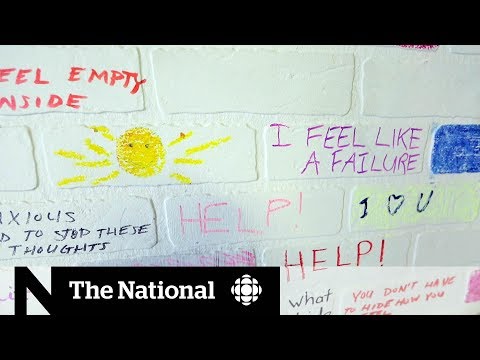
Hey! So, let’s chat about something that’s been on my mind lately. You know how mental health has this huge stigma wrapped around it? It’s frustrating, right?
I mean, we’ve got a long way to go before people really understand what it means to struggle with mental health. But here’s the thing: art can totally break those walls down. Seriously!
Imagine powerful posters that speak volumes. They can challenge stereotypes and spark conversations. How cool is that? It’s like giving a voice to those who’ve felt silenced for too long.
So, let’s explore how these posters can make a difference in our communities and help lift the weight of stigma off people’s shoulders. Sound good?
Breaking the Stigma of Mental Health: Effective Strategies for a More Supportive Society
Breaking the stigma around mental health is so crucial for creating a supportive society. You know, it’s like when you see someone struggling with their emotions or thoughts, and instead of judging them, we should be saying, «Hey, that’s okay. We’ve all been there.» A big part of this effort involves using creative approaches to spread awareness, and one effective method is through powerful posters.
Visual Impact: Let’s face it—people are more likely to stop and look at a poster than to read an article or listen to a long speech. Posters can be designed in vibrant colors with catchy phrases that resonate emotionally. For example, something simple like “It’s okay not to be okay” can hit hard. It draws people in and makes them stop, think, and maybe even share it with others.
Relatable Messages: When creating these posters, using real-life experiences can make a big difference. Think about putting up messages that reflect common struggles—like anxiety before public speaking or feeling down after a breakup. Messages should center around themes of connection and understanding because they make people realize they’re not alone in their feelings.
Promoting Conversations: Posters can also serve as conversation starters. Imagine walking into a coffee shop and seeing a poster that says “Ask me about my mental health journey.” Suddenly, it opens the door for dialogue between friends or even strangers. You can talk about your experiences without fear of judgment.
Inclusivity Matters: It’s essential for these campaigns to represent diverse backgrounds—different ethnicities, ages, genders, and experiences. Stigma can affect anyone; so when we include various voices in our messaging through these posters, it also echoes the message that mental health is important for everyone.
Reaching Different Places: To really break stigma down effectively, we need to place these posters where people spend time—community centers, schools, hospitals—all those places where conversations happen naturally. And you know what? Kids see this stuff too; it helps them grow up with a better understanding of mental health issues.
Using Humor Carefully: Believe it or not, humor can help lighten the conversation around serious topics. A poster that uses wit—something lighthearted but still meaningful—is more likely to catch attention while lowering defenses about discussing mental health openly.
Community Involvement: Finally, involving local communities in designing these posters creates ownership over the messages shared. When people contribute their thoughts on what they want communicated regarding mental health challenges and triumphs—it breeds pride and accountability within the community itself.
By emphasizing awareness through creative outlets like posters—and fostering open discussions—we begin changing how we view mental health collectively! You see? It’s all about supporting each other while reducing judgmental attitudes towards those struggling with emotional issues—it starts with us!
Challenging the Stigma of Mental Health: Effective Strategies for Change
Challenging mental health stigma is super important. Many people still view mental health issues negatively. This stigma can stop folks from asking for help or talking about their feelings openly. And that’s just not cool. So, let’s chat about some effective ways to turn this around, especially through powerful posters.
Posters can be a simple yet impactful way to spread awareness. They can grab attention in public spaces and spark conversations. Imagine seeing a poster in your local café that says, “It’s okay not to be okay.” That’s relatable, right? It opens the door for discussions about mental health without making it awkward.
You could create posters with bold messages, maybe even featuring well-known figures who have shared their own struggles with mental health. Using real stories from celebrities or community leaders makes the issue feel more personal and relatable. When people see someone they admire being open about their experiences, it reminds them they aren’t alone.
Now, there are specific strategies to consider when designing these posters:
- Positive Messaging: Focus on uplifting quotes that promote understanding and compassion.
- Visual Impact: Use eye-catching designs and colors that attract attention but stay considerate of the subject matter.
- Diversity Representation: Include various backgrounds and identities in your imagery. Mental health affects everyone!
- Resources Included: Feature local hotlines or support groups so people know where to get help.
A friend of mine once saw a poster at her college that highlighted statistics around anxiety among students. It was bold and shocking! It made her realize she wasn’t the only one struggling during finals week, kind of like a light bulb moment for many students there.
Engaging communities is another great approach! Organize events where people can share their stories in front of posters featuring supportive messages. This might sound scary, but sharing creates connection and normalizes discussing mental health issues.
Another idea? Collaborate with local artists! They can create murals or street art that address mental health themes directly in the neighborhoods where they live or work. The key is being visible and having those reminders out there every day.
It’s all about creating an environment where people feel safe discussing their struggles without fear of judgment or shame. Challenging mental health stigma isn’t easy, but using powerful tools like posters makes it possible to drive change one message at a time.
So remember, every poster counts! Each time someone sees them, there’s a chance they’ll stop and think differently about mental health—and who knows? That could lead them to seek help when they need it most.
Understanding Mental Health Stigma: Real-Life Examples and Their Impact
Mental health stigma is a big deal, seriously. It’s like this invisible wall that makes it tough for people to talk about what they’re going through. When we think about stigma, we’re looking at those negative attitudes or beliefs society has about mental health. And let me tell you, these misconceptions can really get in the way of people seeking help or even just feeling okay in their skin.
Take Sarah, for instance. She struggled with anxiety for years but felt paralyzed by the fear of being judged if she opened up. Whenever someone would say something like «just snap out of it,» it broke her a little more inside. Those little comments? They build up and create a sense of isolation that’s hard to shake off.
People internalize this stigma, thinking they’re weak or somehow less than others because they have mental health issues. That’s why discussing these experiences openly matters so much. When we challenge stigma, we make it a bit easier for folks to reach out and ask for help without feeling ashamed.
So how do we change this narrative? Powerful visuals can really grab attention and spread awareness! Imagine posters featuring real stories, like Sarah’s journey with anxiety. These posters can highlight how common mental health struggles are and encourage others to share their stories too.
Art as advocacy speaks volumes. Think of bold phrases like “It’s okay not to be okay” or “Mental health matters.” These slogans shouldn’t just be words; they should resonate with people’s lived experiences, making them feel seen and understood.
Everyone has moments where they feel down or overwhelmed—it’s part of being human! But when society labels those feelings as “weakness,” it creates unneeded pressure. Instead, we need empathy and understanding around these issues.
Let’s also highlight how making these conversations public helps break the cycle of silence that fuels stigma. When people see others talking openly about therapy or medication without shame, it encourages them to do the same!
The thing here is when you challenge stigma through strong messages and real stories, you create an environment where everyone feels more comfortable sharing what they’re going through—like Sarah finally did after seeing that poster in her university hallway!
In the end, tackling mental health stigma isn’t just some abstract idea; it’s about making connections between people honest discussions and finding support together. The more we talk openly about our struggles—and show compassion—the more we can change the narrative around mental health once and for all!
You know, mental health stigma can be a real downer. It’s like this heavy fog that makes it tough for people to talk openly about their struggles. I mean, imagine feeling like you can’t share what’s going on in your head because of what others might think. Crazy, right? But here’s where things get interesting—those powerful posters you see around town or online can actually help change that vibe.
I remember walking through my local coffee shop one day and spotting this bold poster on the wall. It had a simple message: “It’s okay not to be okay.” Just those few words hit me, and I thought about how often we push our feelings aside or pretend everything’s sunshine and rainbows. That poster stuck with me because it made mental health feel so much more visible—like something we should all care about.
What’s cool about these posters is that they’re super relatable. They often use bright colors and eye-catching designs, which grab your attention. Plus, they don’t shy away from hard topics; they tackle anxiety, depression, and everything in between head-on. It’s like a friendly nudge saying, “Hey, you’re not alone in this.” When someone sees a well-designed poster that resonates with their experience, it gives them permission to open up.
And let’s be real: the way society views mental health is slowly changing. More people are speaking out against stigma—using social media campaigns along with these catchy posters to spread awareness. You can almost feel a shift happening; it’s becoming less taboo to talk about what we’re going through.
Of course, not everyone will resonate with every poster. But even if just one person connects with that message at the right time? That’s powerful stuff. I think back to my friend Sam who struggled silently for years until she saw one of those posters at her college campus. It prompted her to seek help and eventually share her story with others, which sparked conversations among folks who needed support too.
So yeah, while it’s easy to overlook something as simple as a poster on the wall, don’t underestimate their impact. They have the potential to challenge norms and start conversations that need to happen—like opening doors for understanding and kindness in a world where talking about feelings can still feel risky sometimes.