You know, mental health stigma is like that annoying itch you just can’t scratch. It’s everywhere, lurking in conversations and behind awkward glances.
I mean, seriously? Why do we still tiptoe around talking about mental health? It’s such a big part of life for so many people.
Think about it: if you had a broken leg, you’d tell someone, right? You wouldn’t hide it! But when it comes to feelings or anxieties, suddenly it’s like we’re all on mute.
The thing is, powerful talks can actually change the game. They can break down barriers and open up real discussions.
Let’s dig into how speaking up not only helps individuals but also shifts perceptions—one conversation at a time.
How Discussing Mental Health Can Help Reduce Stigma: Breaking Barriers Through Conversation
Talking about mental health can be a game-changer. You know, like when you finally share those feelings that have been bottled up for ages? That kind of conversation can seriously help make a dent in the stigma surrounding mental health.
Why does stigma even exist? Well, it’s mostly because people don’t understand what mental health really is. You’ve probably heard someone say something like, “Just think positive!” It sounds simple, but mental health conditions are way more complex than that. When we don’t talk about them, misconceptions grow. People end up seeing these conditions as weaknesses instead of genuine health issues.
Engaging in open discussions helps clear up this fog. It allows people to see those living with mental health challenges as just that—people. When we share our stories, we humanize these experiences. Like, I remember a friend sharing how anxiety would sometimes cripple her in social situations. Suddenly it wasn’t just some label anymore; it was real and relatable.
Also, there’s this ripple effect when you talk openly about your own struggles or what you know. It encourages others to speak up too!
- You create a safe space: When someone opens up about their experience with depression, it gives others permission to do the same.
- You challenge stereotypes: Conversations can break down those outdated ideas around mental illness.
- Paves the way for support: When more people share their experiences, it encourages communities and organizations to offer better resources.
Let’s not forget how powerful vulnerability can be. When folks share their struggles and triumphs over mental health challenges, they’re inspiring others who might feel alone. You might be surprised at how one simple conversation could resonate with someone else.
It’s also essential to talk about self-care and normalizing its importance without feeling guilty about it. Many people think they should just tough it out or push through pain without seeking help. But when we discuss things like meditation, therapy, or even taking time off work for our mental well-being—it shifts the narrative.
Changing societal views takes time though—a lot of it! But every conversation counts. Think of how societal changes around other issues happened; they were fueled by voices rising together and challenging norms.
In spaces where talking about feelings is encouraged—like schools or workplaces—people tend to feel less isolated and more supported. Conversations lead to awareness programs which bring education into the mix too! And educated minds are less likely to propagate harmful stereotypes.
So look, breaking down the barriers around mental health can definitely happen if we keep chatting about it openly and honestly. No more hiding behind silence; let’s keep those conversations rolling!
Breaking Barriers: A Real-Life Example of Overcoming Mental Health Stigma
You know, mental health stigma is like that annoying shadow that trails behind you. It’s always lurking, making people hesitate to talk about their struggles or seek help. Let me tell you about a real-life example that illustrates how one person faced this issue head-on.
Meet Sarah. For most of her life, she dealt with anxiety and depression but never really talked about it. Why? Well, the stigma was heavy in her community. People whispered behind closed doors, and the idea of seeking help felt like admitting weakness. But one day, Sarah decided enough was enough.
She started sharing her story on social media. At first, it was scary—like standing naked in front of a crowd—but surprisingly, people responded positively! They began to open up about their own mental health battles. By sharing her experience, Sarah not only felt lighter but also inspired others to break their silence.
- Creating a dialogue: Her posts sparked conversations in coffee shops and workplaces, spaces where mental health had been a taboo topic.
- Peer support: Friends reached out to her privately for support as they shared their struggles too; it became this beautiful cycle of encouragement.
- Community events: Eventually, Sarah organized a community event focused on mental wellness where people could share their stories in person—removing barriers one talk at a time!
Through these powerful talks, not only did she challenge stigma directly; she also showed others that it’s okay to be vulnerable. I remember one guy at the event telling her how he’d been paralyzed by fear for years but felt empowered just listening to her story.
The thing is, every conversation matters. Each spoken word chips away at that stubborn stigma surrounding mental health. It’s like peeling layers off an onion—maybe it makes you cry sometimes—but what’s underneath is worth seeing! By breaking barriers and talking openly about these struggles, we can shift perspectives and make seeking help seem totally normal.
Sarah’s journey shows us all how powerful our voices can be in combating stigma. When one person speaks out, it opens the floodgate for others—and suddenly you’re not alone anymore! So next time you feel hesitant to share your own struggles or insights on mental health? Remember Sarah and consider taking that leap!
Top 10 Inspiring TED Talks to Transform Your Understanding of Mental Health
We’ve all seen those inspiring TED Talks that just hit home. When it comes to mental health, there’s a treasure trove of powerful speakers who tackle stigma and spark change through their stories and insights. Here are some of the most impactful talks that can really shift your perspective on mental health.
1. Andrew Solomon: «Depression, The Secret We Share»
Andrew Solomon opens up about his battle with depression, shedding light on how it can feel isolating but also relatable. He emphasizes the importance of understanding mental illness as an integral part of human experience.
2. Brene Brown: «The Power of Vulnerability»
Brene dives into vulnerability and how it connects to shame and belonging. By sharing her own experiences, she encourages us to embrace our imperfections instead of hiding from them—something vital for mental health.
3. Kevin Breel: «Confessions of a Depressed Comic»
Kevin shares his story as a young comic struggling with depression. His candidness about feeling different and the stigma he faced breaks down barriers and shows how humor can be a lifeline—seriously!
4. Emma Watson: «Gender Equality Is Your Issue Too»
Although this talk is focused on gender equality, Emma touches on the mental health implications of societal pressures on both men and women. She highlights the need for everyone to contribute to creating a supportive environment.
5. Guy Winch: «Why We All Need to Practice Emotional First Aid»
Guy makes a compelling case for treating emotional wounds like physical ones, addressing how we often neglect our psychological well-being in favor of the visible stuff.
6. Michelle Obama: «The Power of Hope»
In her heartfelt talk, Michelle discusses overcoming adversity with hope and resilience, touching on how these qualities play into mental wellness during tough times.
7. Johann Hari: “Everything You Think You Know About Addiction is Wrong”
Johann’s perspective challenges traditional views on addiction by discussing its connection to emotional pain and disconnection from others—a big topic in mental health conversations.
8. Sangu Delle: “There’s No Shame in Taking Care of Your Mental Health”
Sangu shares his personal narrative around anxiety while breaking down cultural stigmas against mental health discussions, especially in communities where it’s often overlooked.
9. Tara Brach: “The Power of Self-Compassion”
Tara emphasizes self-compassion as a crucial tool for healing from trauma or stress—key points anyone dealing with mental health challenges needs to hear.
10. Ruby Wax: “What’s So Funny About Mental Illness?”
Ruby combines humor with serious topics about her experiences with depression, showing us how laughter can be a way through life’s darkest moments while addressing stigma head-on.
Each one of these talks not only brings personal stories into the spotlight but also educates us about **mental health landscapes** that need more understanding and empathy. You see? They all remind us that sharing our experiences helps weave connections—and that’s so essential for recovery and growth!
You know, mental health stigma is like this shadow that just kind of lurks around the topic, making it harder for people to open up about their struggles. It’s frustrating because everyone has tough days or moments when they feel lost, yet we often brush those feelings aside like they don’t matter. I mean, come on, who hasn’t felt a little depressed or anxious at some point?
I remember chatting with a friend not too long ago. She had been through a really rough patch—like losing her job and then going through a breakup. She felt completely overwhelmed and told me how embarrassed she was to admit it to anyone. It’s like she thought she’d be judged for feeling sad, which is just so unfair! Instead of getting the support she needed, she bottled it all up. That made me realize how the fear of judgment can keep people from seeking help.
That’s where these powerful talks come in. When someone stands up and shares their story—like openly talking about anxiety or depression—it creates this ripple effect. It makes others feel less alone and more willing to share their own experiences. And honestly, it normalizes conversations that are usually swept under the rug.
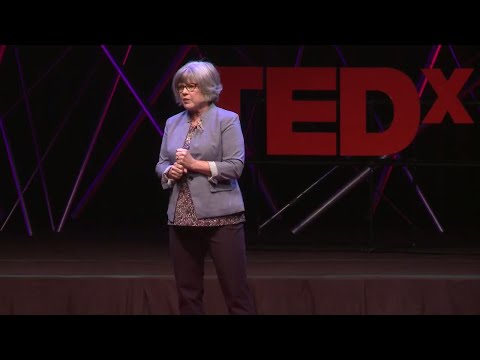
I saw a TED talk once where the speaker shared her journey with bipolar disorder in such an honest way. You could see in the audience how her words resonated with so many people—you could almost feel the weight lifting off them as they realized they weren’t alone in their struggles. Those moments are magic because they break down walls; suddenly, mental health isn’t this taboo topic anymore.
Tackling stigma really requires all of us to be part of the conversation. We’ve got to create spaces where talking about mental health feels safe and natural—like discussing your favorite Netflix show or what you had for lunch! It’s not easy, but every chat helps chip away at that stigma.
So yeah, powerful talks can change lives—not just for those who struggle but also for everyone around them who might be too scared to say something out loud. When we share our stories with each other, we start healing together. And that’s pretty incredible if you ask me!