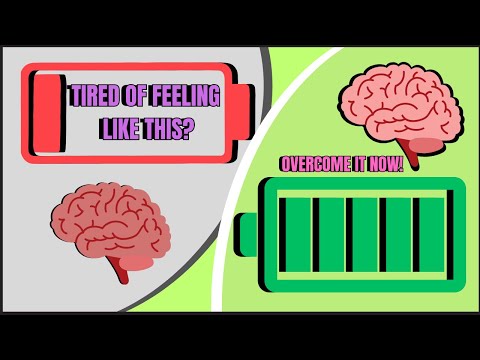
Hey! So, you know those days when your brain feels like it’s running on empty? Like you’ve binge-watched your favorite show and can’t even remember the plot? Yeah, we’ve all been there.
Mental fatigue is real, and it can hit hard. It drains your energy and messes with your focus. Seriously, it’s like trying to push a heavy boulder uphill.
But here’s the good news: there are ways to shake off that brain fog. You can totally revitalize your mind!
Let’s chat about some easy strategies that can help you bounce back and feel more refreshed. Ready? Let’s jump in!
Unlocking Clarity: 10 Effective Ways to Refresh Your Brain and Boost Mental Wellness
Refreshing your brain and boosting mental wellness is something we all want, especially when life feels a bit heavy. Mental fatigue can creep up on anyone, and feeling drained mentally is no fun. So let’s talk about some effective ways to shake off that fog.
- Take Breaks Regularly. Sometimes, all you need is a moment away from what you’re doing. Whether you’re working or scrolling through your phone, short breaks can help reset your mind. Just step outside for a few minutes or grab a quick snack.
- Practice Mindfulness. Seriously, being present in the moment can cut through the chaos in your head. Simple techniques like deep breathing or focusing on what you see around you can make a big difference. It’s like giving your brain a mini-vacation.
- Get Moving. Exercise isn’t just for the body; it’s also great for the mind! Even a brisk walk can pump up those feel-good hormones called endorphins. You know that rush of joy after working out? Yeah, that’s it!
- Stay Hydrated and Eat Well. Your brain needs fuel just like any other part of you. Drinking water and munching on healthy snacks—think fruits and nuts—can really boost your mood and concentration levels.
- Simplify Your Environment. Clutter can make it hard to think clearly. Try decluttering your workspace or living area. You’ll feel lighter and more focused once everything’s organized.
- Limit Screen Time. Spending too much time staring at screens can tire out your brain more than you realize. Set boundaries for social media and binge-watching sessions to give your mind a break from constant stimulation.
- Cultivate Gratitude. Writing down three things you’re thankful for each day might sound cheesy, but it works! Focusing on positive aspects of life can shift your outlook from negative to positive, helping refresh your brain in the process.
- Pursue Creative Outlets. Engaging in creative activities—like painting, writing, or playing music—can be incredibly therapeutic! It gives you an opportunity to express yourself while also taking a mental breather from daily stressors.
- Connect with Others. Spending time with friends or family—even if it’s just texting someone—can provide emotional support that lifts some weight off your shoulders. Sharing thoughts with another person helps get things off your chest!
- Aim for Quality Sleep. Don’t underestimate the power of sleep! Getting enough rest allows your brain to recharge properly. Without quality sleep, even simple tasks feel overwhelming. Try establishing a calming bedtime routine to improve sleep quality!
You know how sometimes it feels like there’s just too much going on? Everyone has those days when they feel overwhelmed by life’s demands—it happens to the best of us! I remember once feeling so mentally drained after work that I couldn’t even enjoy my favorite TV show; I barely had enough energy to think straight! But then I started implementing some of these strategies into my routine—and let me tell ya, they made such a difference.
So next time you’re feeling foggy-headed or stuck in a rut, give these methods a shot! Refreshing your mind doesn’t have to be complicated; sometimes it’s all about taking small steps towards better mental wellness every day.
Recognizing the Signs: How to Tell if Your Brain is Tired and Needs Rest
Ever felt like your brain is moving in slow motion? Like you’ve got a million tabs open in your mind but can’t focus on any of them? Well, that’s what mental fatigue can feel like, and it’s pretty common. The thing is, recognizing the signs that your brain needs a break is super important for keeping yourself sharp and healthy.
You know when you’ve been staring at a screen for hours, and suddenly everything starts to look blurry? That’s not just tired eyes. It might be a sign that your brain is waving a little white flag. Here are some clues that show it’s time to take a breather:
- Persistent Fatigue: If you constantly feel drained without physical exertion, that’s a red flag. This doesn’t just mean being sleepy; it’s more about feeling mentally exhausted even after resting.
- Lack of Focus: Struggling to concentrate or keep your thoughts organized can signal mental fatigue. If reading the same paragraph twice doesn’t help, yeah, it might be time to step away.
- Irritability: Notice yourself snapping at people for no reason? That might be due to your overloaded brain crying out for rest.
- Forgetfulness: When details slip through the cracks or you can’t remember why you walked into a room, mental fatigue could be getting the best of you.
- Physical Symptoms: Headaches, muscle tension, or even digestive issues can sometimes stem from that heavy mental load you’re carrying around.
You might relate this to a time when you’ve been cramming for exams or trying to meet tight deadlines at work. Wasn’t there always this point where everything started feeling overwhelming? That’s when your brain taps out. And the more stress builds up without proper breaks? Well, it’s kind of like clogged pipes—it just leads to bigger problems down the line!
The good news is recognizing when you’re mentally fatigued opens the door to revitalization strategies. Simple things like taking short walks, practicing mindfulness meditation, or even just grabbing your favorite snack can help recharge those mental batteries. Seriously! It doesn’t have to be complicated. Even taking five minutes of deep breaths can make a huge difference in how clear-headed you feel.
If these signs sound familiar, don’t beat yourself up over it! Everyone goes through patches where their minds feel worn out. The key is listening to what your body and brain are telling you and giving yourself permission to rest without guilt.
Your mind deserves TLC too—so take care of it! After all, nobody wants their brain running on empty while they’re trying to tackle life’s challenges!
Understanding Mental Fatigue: Key Symptoms and How to Overcome Them
Mental fatigue is a real thing, and it can hit you like a ton of bricks. You know that feeling when your brain feels heavy and you can’t focus, no matter how hard you try? Well, that’s mental fatigue for you. It’s not just about being tired; it’s about feeling mentally drained, overloaded, or even exhausted just from thinking.
Key Symptoms of Mental Fatigue
When you’re experiencing mental fatigue, you might notice a few telltale signs. Here are some common symptoms:
- Difficulty concentrating: You might find it hard to follow conversations or keep your mind on tasks.
- Memory issues: Forgetting where you put your keys or what someone just said is pretty common.
- Irritability: Little things can get on your nerves way more than they normally would.
- Lack of motivation: Even activities you usually enjoy might feel like a chore.
- Physical symptoms: Sometimes it can manifest as headaches or trouble sleeping.
So, why does this happen? Mental fatigue often comes from prolonged stress, whether it’s work-related pressure, personal issues, or just the constant barrage of information we deal with every day.
Overcoming Mental Fatigue
If you’re nodding along and saying “yup” to those symptoms, don’t worry—there are ways to tackle mental fatigue head-on. Here are some effective strategies to help revitalize your mind:
- Take breaks: Seriously. Short breaks during the day can do wonders. Step outside for fresh air or just switch tasks for a bit.
- Meditation and mindfulness: These practices can calm your racing thoughts and ground you in the moment. Even five minutes can help!
- Simplify your tasks: Break down what needs to be done into smaller chunks. It makes things less overwhelming and easier to manage.
- Stay organized: Keeping a planner or making lists can clear your mind of clutter from all those thoughts bouncing around in there.
- Connect with others: Sometimes talking things out with friends or family helps lighten the load on your mind.
Let me tell you about my friend Alex. For months, he was juggling work deadlines and family responsibilities. He got so used to pushing through that he hardly noticed how worn out he felt—until one day he couldn’t concentrate at all! Simple conversations felt like lifting weights for his brain. But once he started taking regular breaks and practicing mindfulness techniques, he began feeling better over time.
Remember, if mental fatigue sticks around and interferes with daily life, reaching out to someone—a therapist perhaps—can be really helpful too. They can provide guidance tailored specifically for you.
Mental fatigue doesn’t have to control your life. With these strategies in hand (or in mind?), you’re already on the path toward finding relief and rejuvenating your mental space!
You know, sometimes it feels like your brain just hits a wall, right? You’re sitting there, wanting to focus but your thoughts are all over the place. Like, one minute you’re thinking about what to get for dinner and the next, you can’t even remember what you were working on a second ago. Mental fatigue can be such a heavy burden. And honestly, it can sneak up on you without warning.
I remember this one time, I was cramming for an important exam. I thought if I just pushed through the late nights and skipped my social life for a bit, I’d nail it. But all I ended up with was a foggy brain and zero motivation. I couldn’t recall anything I’d studied! It’s kind of funny in hindsight but at that moment? Pure frustration.
So here’s the thing about mental fatigue: your brain is like a muscle. If you work it too hard without breaks, it gets tired and needs some R&R. One way to revitalize your mind is simple—just take breaks! Seriously, even short ones can make a world of difference. Step outside, get some fresh air. A quick walk around the block can clear your head more than you’d think.
And then there’s the power of mindfulness or meditation—don’t roll your eyes just yet! It sounds cliché but focusing on your breath for even five minutes can help reset those racing thoughts. You might feel silly at first but give it a shot; it’s like hitting refresh on your brain.
Also, don’t underestimate the magic of good old-fashioned sleep! Yeah, it’s easy to brush off when life gets busy but sleep is crucial for processing everything you’ve absorbed during the day. So if you’ve been skimping on ZZZs… maybe treat yourself to an early night? Your brain will thank you.
Oh! And let’s not forget about hydration and nutrition—keeping yourself fueled properly makes a real impact too. Those sugary snacks might feel comforting in the moment but they could leave you feeling sluggish later on.
So yeah, when mental fatigue strikes harder than usual just take a step back and allow yourself to recharge in whatever way works best for you. After all, we’re all human trying to navigate this crazy world together!