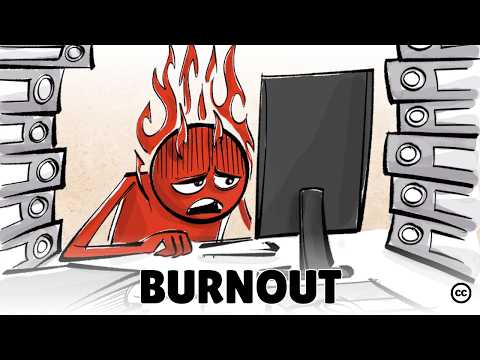
You know that feeling when you wake up and just can’t shake off the heaviness? Yeah, it’s not just you. Mental fatigue is, like, a real thing.
It sneaks in when life gets overwhelming or even when you’re just going through the motions. You might feel drained, irritable, or even forgetful.
Ever been at work and totally spaced out on what you’re doing? Or found yourself staring blankly at your phone? That’s mental exhaustion waving hello.
So let’s chat about recognizing those pesky symptoms before they take over your life. Because nobody wants to live in a fog, right?
Identifying the Key Symptoms of Mental and Physical Exhaustion: A Comprehensive Guide
Mental and physical exhaustion can really sneak up on you. One minute you’re cruising through your day, and the next, you’re just dragging. Let’s break down what mental fatigue feels like and how it intertwines with physical tiredness.
Mental Exhaustion often shows up when life gets super stressful. You know that feeling when your brain just won’t switch off? That’s mental fatigue for you. It can leave you feeling disoriented, unfocused, and kind of foggy.
A few signs to keep an eye out for include:
So picture this: You’re working on a project at work that usually excites you, but today? You stare blankly at the screen for half an hour without typing a single word. That’s a massive red flag.
Now let’s not forget about Physical Exhaustion. This is when your body feels heavy as if you’ve been running a marathon—even if you haven’t moved much at all.
Here are some signals that could indicate you’re physically drained:
You might also notice changes in your sleep patterns—maybe you’re sleeping too little or suddenly oversleeping.
It’s interesting how these two types of exhaustion often feed into each other. Mental fatigue can manifest as physical symptoms too, leaving you in this exhausting cycle that’s tough to break free from.
Remember when your friend was stressed about exams and ended up with constant headaches? That could be their mental exhaustion showing itself through physical symptoms! Our minds and bodies are deeply connected, so don’t underestimate one affecting the other.
In short, recognizing these symptoms is the first step toward getting help or making changes in your life. Whether it’s taking breaks during your day or reaching out to someone for support, acknowledging what’s happening is key!
Understanding Neurological Disorders That Lead to Extreme Fatigue: Causes and Insights
So, let’s talk about neurological disorders and how they can absolutely zap your energy. It’s one of those things that can really knock you off your feet without any warning. You know what I’m saying?
First off, what we mean by neurological disorders are conditions that affect the brain and nervous system. That includes stuff like multiple sclerosis, Parkinson’s disease, and even chronic fatigue syndrome. Each of these can lead to extreme fatigue, among other symptoms, because they mess with how your body communicates internally.
In multiiple sclerosis (MS), for example, your immune system attacks the protective layer around nerve fibers. This can lead to a whole range of issues, like muscle weakness and coordination problems. And guess what? That constant fight in your body can leave you feeling really wiped out all the time.
Now let’s talk about Parkinson’s disease. It affects movement, but it can also really drain you mentally and physically. The fatigue here isn’t just about being tired; it’s this deep exhaustion that doesn’t necessarily go away with rest. So frustrating, right?
Then there’s chronic fatigue syndrome, which is a whole other ball game. It causes *intense* fatigue that can’t be explained by any underlying medical conditions. People suffering from this often feel worse after physical or mental activity—like they’re hit by a truck even after doing simple tasks.
Another thing to keep in mind is how these disorders interact with mental health issues. Feeling constantly exhausted can lead to depression or anxiety since you might start worrying about why you’re so drained or what others think of you not being able to keep up.
Symptoms of mental fatigue can sometimes overlap with physical issues too! Think about brain fog or trouble concentrating; it’s like trying to drive through foggy weather—you know you’re supposed to be moving forward but everything feels hazy.
To sum it up:
- Neurological disorders: Conditions affecting the brain and nervous system.
- Multiple sclerosis: Immune system attacking nerves leading to extreme tiredness.
- Parkinson’s disease: Affects movement and drains energy.
- Chronic fatigue syndrome: Deep exhaustion not explained by other medical issues.
- Mental health connection: Constant fatigue can lead to anxiety and depression too.
Getting help is key if you relate to any of this—talking with healthcare providers can help sort through symptoms and find better ways to cope or treat the underlying conditions causing all this exhaustion. Remember: it’s totally okay not to have it all figured out!
Understanding Cognitive Fatigue: Key Symptoms and Signs You Need to Know
Cognitive fatigue is one of those things that sneaks up on you. You know, like when you’re binge-watching a show and suddenly realize you can’t keep your eyes open anymore? It’s this feeling of mental exhaustion that can really trip you up.
So, what exactly is cognitive fatigue? Well, it’s when your brain feels worn out from thinking too much or using your mental energy. Think about how mentally taxing work or studying can be; when you’re constantly making decisions, solving problems, or even just focusing hard, your brain gets tired. And yeah, it’s totally normal to feel this way sometimes.
Now let’s look at some of the key symptoms and signs that might indicate you’re dealing with cognitive fatigue:
- Poor concentration: You might find your mind wandering during conversations or tasks. Like, suddenly thinking about what’s for dinner instead of the meeting agenda.
- Memory issues: Forgetting things easily? Yeah, that’s a sign. You might blank on names or misplace items more often.
- Increased irritability: Feeling cranky and snappy? Even little things can set you off more than usual.
- Lack of motivation: When getting off the couch feels like running a marathon. That urge to do something just isn’t there anymore.
- Physical symptoms: Sometimes cognitive fatigue shows up in your body too—headaches, dizziness, or even a tightness in the neck and shoulders could crop up.
You might also notice that after a long day at work or school—especially if it was particularly stressful—you feel drained. It’s not just the physical stuff but also this overwhelming tiredness in your head. That’s cognitive fatigue playing its role.
Imagine having one of those days where every email feels like climbing a mountain. You’re staring at the screen but not taking anything in. It’s frustrating! Maybe you’ve felt like it was three hours since lunch when really only thirty minutes have passed? Yep—classic signs.
So what can help with cognitive fatigue? Taking breaks is key; let yourself chill for a bit and reset your brain. Engage in activities that refresh you—like going for a walk outside or listening to music you love (seriously, music works wonders).
If you’re feeling stuck with constant cognitive fatigue though—like it’s becoming part of life—it might be worth talking to someone about it. Sometimes our minds need a bit more help than we realize.
Overall, recognizing these symptoms is important because understanding them can lead to better self-care strategies. Don’t ignore them; your mind deserves some TLC too!
You know, mental fatigue can creep up on you when you least expect it. One day, you’re feeling motivated, and the next, everything feels like a heavy blanket. It’s that sense of being completely wiped out—not just physically but mentally too. And recognizing those symptoms can really make a difference.
Have you ever found yourself staring blankly at your to-do list? Like, you’re reading the same line over and over and still not getting it? That’s mental exhaustion for you. It’s like trying to run a marathon in your head without having trained for it. You might feel irritable or find that little things are starting to bug you way more than they should. I mean, one time I snapped at my friend just because they asked me if I wanted pizza again—so silly, right? But that was my brain saying it had enough.
And then there are days when even simple decisions feel monumental. Picking an outfit or what to have for lunch can feel like climbing Mount Everest! Your brain’s just saying “Nope!”—like it’s tapped out. All this can lead to trouble concentrating too, like when you’re trying to focus on a movie but your mind keeps drifting off somewhere else.
Sometimes people think they shouldn’t be feeling this way, but hey, we’re human! Life throws so much at us; stress from work, relationships; sometimes it feels endless. And acknowledging that you’re feeling burnt out isn’t weakness; honestly? It’s a sign of strength! You’re recognizing where you’re at and knowing something’s gotta give.
Taking a step back is super important—maybe it’s treating yourself to some rest or even chatting with someone who gets it. Just remember those signs next time you’re feeling overwhelmed; they might be your brain waving the white flag asking for a little break. It’s okay to listen!