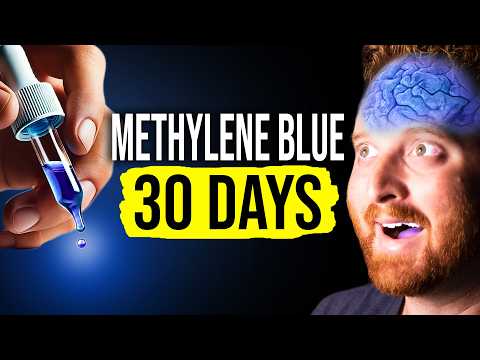
Alright, so let’s chat about something that’s been buzzing around in the mental health world: Methylene Blue. Yeah, you heard me right. It’s not just some random dye for textiles or a fancy science project.
Imagine finding out that this little blue compound could be shaking things up in how we think about treating mental health conditions. It’s wild, right?
People are starting to take notice, and honestly, it raises a ton of questions. Could this be a game changer for folks struggling with anxiety, depression, or other brain stuff?
So grab a cup of coffee or whatever you like to sip on because we’re diving into why Methylene Blue might just be the refreshing twist we need in mental health treatment. Sounds interesting? Let’s dig in!
Exploring the Reasons Behind Doctors’ Reluctance to Prescribe Methylene Blue for Mental Health
You might have heard of Methylene Blue making waves in discussions about mental health treatments. It’s a dye that’s been around forever, and researchers are looking at it for conditions like depression and anxiety. But, like, why are doctors often hesitant to jump on this bandwagon?
First off, the lack of extensive research plays a big role here. While some studies suggest Methylene Blue could offer benefits for mood disorders, the overall evidence is still pretty thin. Many doctors stick to what they know works—like SSRIs or therapy—because they feel safer with established treatments. They want you to have something effective and proven, not just a nice idea.
Then there’s the whole regulatory landscape. Methylene Blue isn’t FDA-approved specifically for mental health issues. That means it kind of falls into this gray area where doctors feel uncertain about prescribing it. Prescribing something unapproved can feel risky since they hold responsibility if things go sideways for their patients.
Also, we can’t forget about the stigma around off-label use. Some doctors may shy away from prescribing it because it’s not the standard treatment protocol. Even if there’s potential, they might worry about backlash from colleagues or even legal concerns if things don’t go as planned.
Back to the research part—there’s sometimes conflicting evidence regarding Methylene Blue’s effects on mental health. Some studies show promising results while others don’t seem to back that up at all. This inconsistency can make any doctor think twice before writing a prescription.
And, hey, let’s not overlook these old biases against alternative treatments. A lot of medical training emphasizes sticking with conventional methods rather than venturing into newer or less common options like Methylene Blue.
Finally, patient concerns play a huge part too—some folks aren’t comfortable with new treatments. When you go into an appointment feeling anxious and looking for help, having your doc suggest something out of left field can be unsettling. Most patients want what feels familiar and secure in their treatment plans.
So yeah, while Methylene Blue is getting some attention in research circles for its potential in treating mental health issues, doctors’ reluctance boils down to safety concerns and established protocols that keep them tethered to traditional practices. Until there’s more solid data backing up its use specifically for mental health conditions—or until we see some changes in regulations—it might be a bit longer before we see it making its way into your prescription bottle.
Exploring the Brain-Rewiring Effects of Methylene Blue: Does It Really Change Your Mind?
Methylene Blue, wow, what a topic! You might’ve heard of it as a dye or even an aquarium treatment, but it’s also being looked at in the world of mental health. So let’s break this down, shall we?
First off, methylene blue is known for its potential effects on brain function. It’s been around for over a century! Originally used to treat malaria back in the day, researchers started noticing some other benefits. One of those is that it seems to help with energy production in brain cells. Think of it like giving your brain some extra juice.
Now, what do we mean by “brain-rewiring”? Well, our brains are pretty adaptable; they can change and form new connections based on experiences. This is called neuroplasticity. Methylene blue might play a role in enhancing this process. So, if you think about someone recovering from depression or anxiety, better neuroplasticity could be a game changer for them.
Some studies suggest that methylene blue may improve memory and cognitive function. Imagine struggling to remember where you left your keys or words in conversation—it’s frustrating! In laboratory settings, it’s shown promise for increasing synaptic connections—those little bridges between neurons that help us think and remember things.
But here’s the interesting part: people often talk about how these changes feel emotional too. Like a friend of mine who took it for focus during exams said she felt clearer and more motivated to study. That kind of mental clarity can really boost your confidence when pushing through challenges.
However, let’s not jump to conclusions just yet. Just because something shows potential doesn’t mean it’s the holy grail for everyone.
Some people might experience headaches or stomach issues when taking it. It’s always good to have that chat with a doctor before starting any new supplement or treatment.
Also worth noticing is that while animal studies have shown promising results, human research is still catching up. It could be incredibly exciting if these findings hold true because we desperately need more effective mental health treatments out there.
However intriguing it all sounds, remember this: it’s essential to approach new treatments with caution. Mental health is complex; what works wonders for one person might not do much for another.
So yeah, methylene blue does seem like an interesting avenue in mental health treatment with its potential brain-rewiring effects. But as always, keep an open mind and do your homework before considering new options on your journey toward better mental well-being!
Understanding the Side Effects of Methylene Blue: Why You Might Feel Strange After Use
Methylene Blue has been getting some buzz lately as a potential treatment for various mental health conditions. But, you know, with any new approach, people often wonder about the side effects. So let’s dig into that a bit.
First off, what is Methylene Blue? It’s an old dye that’s found new life in medical settings. People are looking at it for its potential benefits in enhancing brain function and even treating conditions like depression and anxiety. Seems promising, right? But there’s more to it than just the upside.
Now, when you take Methylene Blue, you might notice some side effects. These can range from mild to more intense experiences. Here are some common ones you might encounter:
So, why might you be feeling strange after using Methylene Blue? Well, our bodies react differently to substances based on numerous factors like metabolism, dosage, and even your overall health status.
Let me share a quick story here: A friend of mine decided to try Methylene Blue after hearing about its brain-boosting effects. Initially excited about potential improvements in mood and focus, she ended up feeling pretty strange instead—kind of dizzy and anxious. After talking to her doctor and tweaking the dosage a bit, she found her sweet spot where those weird feelings faded while still enjoying some benefits.
And that’s crucial—if you’re thinking about trying this out or are already using it but feeling off-kilter, definitely check back with your healthcare provider. They can help adjust things or look into other options tailored just for you.
In summary, while Methylene Blue shows promise in mental health treatments, side effects are part of the package deal. Staying informed and connected with professionals will guide you through any rough patches along the way!
You know, mental health treatments are always evolving. There’s always something new on the horizon, and one of the latest buzz-worthy topics is this compound called methylene blue. Yeah, I know it sounds kinda scientific and maybe even a bit intimidating, but stick with me here.
So, methylene blue has actually been around for a long time. Originally developed as a dye back in the 1800s, can you believe that? But now it’s making some waves in the mental health community. Researchers are starting to look at it for its potential to treat conditions like depression and anxiety. It’s kind of wild—who would’ve thought something so old-school could get a second chance?
What’s intriguing about methylene blue is how it works in our brains. It has this ability to boost mitochondrial function—which is kind of like giving your brain’s energy factory a power-up. When you think about it, we often neglect the biological side while focusing mainly on therapy or medication alone. But hey, sometimes it’s about nourishing those brain cells directly.
A friend of mine was struggling with depression for years. She tried everything from traditional meds to therapy sessions that felt like they were dragging on forever with minimal results. One day she heard about this methylene blue treatment in passing and decided to give it a shot out of sheer desperation—and guess what? It wasn’t an overnight miracle or anything, but she started to feel more… alive? Like those foggy days where everything felt heavy were lifting just a bit.
Now, it’s important to remember that research is still ongoing. Methylene blue isn’t ready to be your magic pill yet; it’s not FDA-approved for these uses as of my last check. But seeing someone regain a sense of hope through this alternative approach really got me thinking how vital it is for us all to keep an open mind about different paths in mental health treatment.
So basically, whether we’re talking about traditional meds or something more experimental like methylene blue, what matters most is finding what works for you. After all, mental health isn’t one-size-fits-all! Keep searching and stay hopeful; there are always new roads ahead worth exploring!