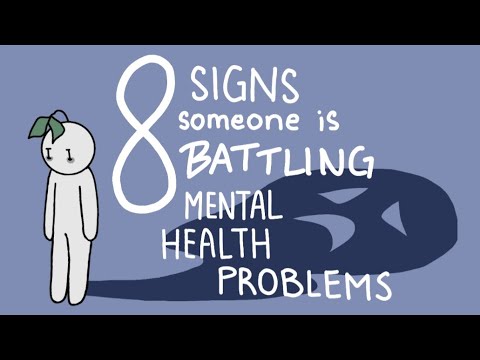
You know that feeling when everything seems to pile up?
Like, suddenly you’re overwhelmed, but you’re not even sure why? It happens to the best of us.
Mid-year can sneak up on you, bringing stress and pressure like an unwelcome guest.
Most of us are juggling work, relationships, and expectations. It’s a lot!
And sometimes, it might feel like you’re drowning in it all. That’s what I mean by a mental health crisis.
But here’s the kicker: recognizing those symptoms can be tricky. You might brush them off or hide behind a smile.
So let’s chat about what to look out for and how to take care of yourself when things get heavy. Sound good?
Recognizing the Classic Signs of a Midlife Crisis: Key Indicators to Look For
So, let’s talk about midlife crises. You know, that time when everything feels a bit off? It’s like you wake up one day and realize you’re halfway through life, and it hits you—hard. There are some classic signs to look out for, which can help you or someone you care about recognize what’s going on.
Feeling Restless is pretty common. Maybe you’re finding it hard to settle into your routine. Like, suddenly your job feels suffocating, or the daily grind seems pointless. It’s that nagging feeling that something’s missing, and you’re not sure what it is.
Reflecting on Life Choices is another biggie. You might catch yourself thinking about past decisions—like career paths or relationships—and questioning if they were the right ones. This can lead to feelings of regret or doubt, making you second-guess everything you’ve done up till now.
- Changes in Relationships: Maybe you’ve noticed shifts in how you connect with others. Friendships can feel strained, or perhaps you’re craving new connections and experiences outside your current circle.
- New Hobbies or Interests: It’s not unusual to suddenly get interested in things you’d never consider before. You might start painting, hiking, or even wanting to travel solo to find yourself.
- Impulsive Decisions: So maybe this isn’t like you at all! But if you’re making sudden life changes—like getting a new car or changing jobs without much thought—it could be a sign of wrestling with that midlife feeling.
Coping Mechanisms also come into play here. You might notice some friends leaning more on alcohol or unhealthy eating as a way to cope with their growing unease about aging and life’s direction.
And let’s not forget the existential questions. You know the ones: “What’s my purpose?” “Am I happy?” These thoughts can swirl around in your head like an endless loop of confusion and worry. If you’re asking yourself these things more than usual, it’s a clue something deeper may be going on.
Anecdotes always make things realer. A buddy of mine hit his 40s and started freaking out over his career choices. He switched jobs three times in two years! It was wild watching him transform from this stable guy into one who just couldn’t sit still for long.
Being aware of these signs isn’t just useful; it’s crucial for taking proactive steps toward mental health. If you ever notice these vibes creeping in—whether for yourself or someone close—it’s worth talking about it openly instead of hiding behind tough façades.
In short, recognizing these classic signs can really help navigate through this confusing patch of life better and maybe even come out stronger on the other side!
Recognizing the Warning Signs of a Mental Health Crisis: Key Indicators to Watch For
Recognizing the warning signs of a mental health crisis can feel overwhelming, but it’s really about paying attention to changes in behavior and mood. You know, sometimes it’s the little things that add up and point to something deeper going on. Let’s break down some key indicators you might want to keep an eye out for.
1. Drastic Mood Changes
If you notice someone swinging from happy to sad or irritable in a way that feels out of the ordinary, this could be a red flag. Maybe your friend, who usually laughs at your jokes, suddenly seems distant or angry for no apparent reason. It’s like a light switch flipping on and off—totally confusing.
2. Withdrawal from Social Activities
When a person starts canceling plans or avoiding friends and family, that’s worth noting. Imagine your buddy who used to be the life of the party suddenly opting out of every gathering. They might say they’re busy, but deep down, they could be struggling.
3. Changes in Sleep Patterns
Sleep is super important for mental health, right? If someone is sleeping way too much or barely at all, it can signal trouble. Think about it: if your coworker suddenly looks like a walking zombie or always seems hyperactive with bags under their eyes—it’s concerning.
4. Decline in Performance
If you see changes in someone’s work or school performance—like missing deadlines or not caring much about grades—that’s definitely something to watch for. Like when your studious friend starts handing in last-minute papers with half-hearted effort—it just doesn’t add up.
5. Increased Substance Use
A noticeable spike in alcohol or drug use can also be a sign that someone is coping with something tough. If the buddy who casually sips drinks at parties starts showing up completely trashed every weekend—that’s definitely alarming.
6. Expressing Hopelessness or Worthlessness
When someone talks about feeling hopeless about life or expresses feelings of being worthless—you really need to pay attention. It might start as casual comments but can escalate quickly if left unaddressed; like when someone says they’re «just tired of everything.» That kind of talk needs care.
7. Physical Symptoms
Sometimes mental struggles show themselves through physical issues—like headaches, stomach problems, or feeling fatigued all the time without any clear reason why. If a friend who’s usually healthy starts complaining about random aches and pains frequently—it could signal stress manifesting physically.
So yeah, if you notice any combo of these signs in yourself or someone else, it’s time for an honest check-in—you know? Let them know you’re there if they want to chat about what’s going on without pressure and judgment; just being supportive can make a world of difference! You never know what someone might be dealing with behind closed doors—so let’s keep an eye out for each other!
Top 5 Psychiatric Emergencies You Need to Know About: Understanding Critical Mental Health Situations
Recognizing psychiatric emergencies is super important, especially when someone you know might be in crisis. Mental health situations can go from 0 to 100 real quick. Here are five critical psychiatric emergencies you should keep an eye out for.
If you ever find yourself in a situation where someone exhibits these symptoms, remember to take **it seriously**. Don’t hesitate to reach out for professional help immediately! You never know how much your support might mean to them during those tough moments; after all, feeling lost and alone is no joke.
You know, mid-year can feel like a weird checkpoint in life, right? Almost like it’s that long stretch of road where you start to ask yourself if you’re lost. Sometimes, we just power through the hustle and bustle of our routines without stopping to check in with ourselves. But hey, that’s when things can really start piling up.
Take my buddy Sarah, for example. She’s usually this bubbly, outgoing person. But around June last year, something shifted. She seemed more withdrawn and always seemed tired — even when she got enough sleep. It was subtle at first; she’d skip our hangouts or text back later than usual. I thought maybe she was just busy or needed some alone time. But months later, she opened up about feeling anxious and overwhelmed with everything: work stress, family stuff—just life crashing down on her.
So what are some signs that you might be hitting a bump in the road? First off, think about your energy levels. If getting out of bed feels tougher than usual or if you’re constantly running on empty, that could be a red flag. Mood swings can also come into play—one minute you’re fine, and the next you’re ready to cry over spilled coffee (seriously). Anxiety might creep in; racing thoughts about everything on your plate can leave you feeling dizzy and out of control.
Then there’s the emotional numbness that sometimes sneaks up on people too. You might catch yourself going through the motions but not really feeling much of anything—like watching your favorite movie without any excitement at all.
But here’s the thing: recognizing these signs isn’t about putting yourself down or doubting how strong you are; it’s about being real with yourself and acknowledging that life gets tough sometimes! Sarah eventually took steps to talk with someone who could help her sort through those feelings—a therapist—and wow, it made a world of difference for her.
So if you notice these symptoms creeping into your life around mid-year—or whenever—don’t brush them off or think you have to handle everything alone. Reaching out to someone can lighten that load a ton and get you back on track! Just remember, it’s totally okay to ask for help when things get heavy—it shows strength!