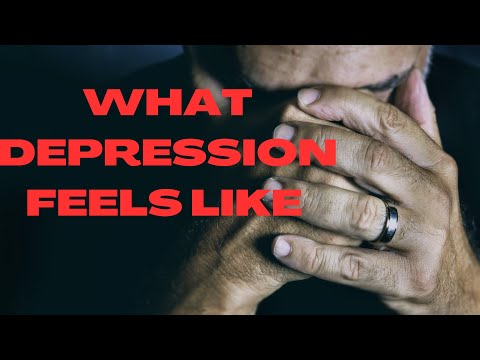
You know, middle age can be kinda rough. Seriously. You get to this point where life doesn’t look like that shiny picture you had in your 20s.
For a lot of guys, it can feel like a wake-up call, but not the fun kind. It’s more like a punch in the gut.
Life’s expectations, job pressures, and family stuff pile up, and suddenly? Boom! Depression sneaks in when you least expect it.
It messes with your head and just makes everything feel heavier. So let’s chat about what that looks like for men during this time—because it’s real, and you’re not alone in it.
10 Effective Strategies to Snap Out of a Funk and Boost Your Mental Well-Being
You know, feeling down can hit anyone, especially when life gets a bit heavier. Middle age can bring on all sorts of changes—career shifts, family dynamics, you name it. Men often face this sort of depression without realizing what it is. So, if you’re trying to snap out of a funk, here are some strategies that might just help boost your mental well-being.
1. Reach Out
Talking to someone about what you’re feeling goes a long way. Whether it’s close friends or family or a therapist, opening up helps lighten the load.
2. Get Moving
Exercise can be a game-changer for your mood. Even just a short walk around the block can release those feel-good endorphins and clear your head.
3. Establish Routine
Create some structure in your day! Routines can provide stability when everything seems chaotic. It could be as simple as making your bed each morning or setting aside time for hobbies.
4. Practice Mindfulness
Mindfulness techniques like meditation or deep breathing exercises help ground you in the moment. Even five minutes focusing on your breath can ease anxious thoughts.
5. Limit Alcohol and Caffeine
Both alcohol and caffeine can mess with your sleep and mood levels. Moderation is key here; try swapping out that afternoon coffee for herbal tea instead.
6. Get Creative
Engaging in creative activities—like painting, writing, or playing music—not only expresses feelings but also lets you escape into something enjoyable for a while.
7. Spend Time Outdoors
Being in nature has so many benefits for mental health! Try going for hikes or just relaxing at the park; fresh air does wonders for our brains.
8. Set Small Goals
Breaking tasks into smaller portions makes them feel less overwhelming and gives you little wins throughout the day to celebrate!
9. Volunteer Your Time
Helping others often brings perspective to our own issues. Find local charities or community groups where you can lend a hand.
10. Seek Professional Help if Needed
Sometimes we need extra support from professionals who understand mental health challenges better than anyone else does.
So think about these strategies as small steps—not all at once but little by little—to help pull yourself out of that funk. It’s totally okay to have tough days; what matters is how you respond to them! Remember, taking care of your mind is just as crucial as taking care of your body.
Understanding When to Check Yourself into a Hospital for Depression: A Guide to Mental Health Care
Checking yourself into a hospital for depression isn’t the easiest decision to make, and honestly, it can feel really overwhelming. But recognizing when you might need that kind of help is super important. Especially for men going through middle age, the weight of depression can be, well, a lot to handle.
Understanding Your Feelings
Depression isn’t just about feeling sad. It can make you feel empty, hopeless, and even more isolated than you already are. If you find yourself crying for no reason or feeling like you just can’t get out of bed, that’s definitely something to pay attention to. Sometimes it sneaks up on you like a thief in the night.
Signs That It’s Time for Help
So, when do you know it’s time to check in? Here are a few signs:
These signs can be subtle at first but may grow stronger over time. For example, Joe was a busy guy—work was hectic and family life was demanding. He started withdrawing from his friends and hardly felt joy in things he loved. Eventually, he realized that if he didn’t get help soon, he might lose everything.
The Hospital Experience
The idea of being admitted can feel scary; nobody wants to think they’re “that bad.” But hospitals offer specialized care that could really turn things around for you. You’ll be in an environment where professionals know exactly how to help folks who are dealing with deep depression.
They usually start with an assessment. This is basically a chat about what you’ve been experiencing—the good stuff and the tough stuff too. Then they’ll tailor a treatment plan just for you.
Treatment Options
Once you’re there, treatment options often include:
It’s important not to think of hospital stays as failure; they’re simply part of your journey toward healing.
Your Road Ahead
After your stay, remember this: recovery doesn’t stop once you leave the hospital door. You’ll probably need support afterward—therapy or support groups matter big time!
Sometimes talking about your feelings helps put things back into perspective—you realize you’re not alone in what you’re going through.
So if you’re feeling overwhelmed with sadness or sense danger creeping in – seriously consider reaching out for help. There’s no shame in admitting that life got tough—it’s honestly brave! Remember Joe? After his stay, he found purpose again: rebuilding relationships with his family and rekindling old passions.
Finding the right support is vital; taking that initial step could lead you towards brighter days ahead!
Recognizing the Signs of a Midlife Crisis in Men: Key Indicators and Insights
So, midlife crises. They’re like that unexpected plot twist in a movie that can make everything feel pretty chaotic. For men, this phase often hits between their late 30s to early 60s. And it’s not just about buying a sports car or ditching the old job—there’s so much more to it.
One of the first signs you might notice is a sudden sense of dissatisfaction with life. Maybe you’ve hit those milestones like marriage, kids, or career achievements, and yet you feel unfulfilled. It’s like going to a party and realizing you’re not having fun at all.
- Changes in mood: Irritability or anxiety can creep in. You might find yourself snapping at people over little things or feeling restless when you used to be calm.
- Questioning everything: Suddenly questioning your choices can be another signal. “Did I choose the right job?” “Is my relationship where it should be?”. This kind of introspection is pretty normal but can get overwhelming.
- Loss of interest: If activities that once brought joy start to feel dull, that’s a red flag too. Think about your hobbies—if they’re just not cutting it anymore, something might be off.
- Pursuing new experiences: Many men dive into new hobbies or projects when they’re trying to rediscover themselves. However, if this gets extreme—for instance, suddenly taking up risky activities—it may indicate deeper issues.
- Isolation: Pulling away from family and friends can happen during this time as well. You may start feeling like nobody understands what you’re going through and retreat into your own world.
You know what’s wild? Not everyone fits neatly into these categories! Some guys might experience a mix of these signs without being fully aware of what’s happening inside them. It’s kind of like having an itch but not knowing where it’s coming from.
If you recognize any of this in someone close (or even within yourself), it’s important to take it seriously. Midlife crises can lead to more severe mental health issues if ignored—think depression or anxiety spirals that aren’t easy to shake off alone.
Coping strategies play a crucial role here too! Talking about feelings with trusted friends helps release that pressure valve. It’s okay to feel lost sometimes; it’s part of being human! You could also consider reaching out to professionals who specialize in midlife issues—having someone guide you through can make all the difference.
Your mental health matters, especially during challenging times like these! A midlife crisis might seem daunting, but with awareness and support, navigating through it doesn’t have to suck the life out of you.
The thing is: recognizing these signs early could mean finding ways to reinvigorate your life instead of letting things spiral downwards—like catching a wave just before it crashes on the shore!
You know, middle age can be a rollercoaster. I mean, think about it—job pressures, family responsibilities, and that creeping feeling of time slipping away. It’s like a perfect storm for some guys. They might find themselves battling what’s often called middle age depression. Not just some mood swing; it can really dig deep into your psyche.
Take a moment to imagine someone like Steve. He’s in his late 40s, has two kids in high school, and works a pretty demanding job. One day he realizes he’s not where he thought he’d be by now. Maybe dreams of being an artist got overshadowed by bills and responsibilities. He starts to feel overwhelmed and disconnected from everything—even his family. That’s the thing; when men hit midlife, they often struggle with expectations they’ve set for themselves versus reality.
Psychologically speaking, this can lead to feelings of inadequacy or frustration. It’s common for guys to shove their emotions down, believing they have to be the strong ones, you know? This silence can transform into anxiety or a sense of hopelessness over time. The struggle is real; it is more than just feeling sad—it’s like carrying an invisible weight that grows heavier every day.
Also, there are physical effects that tie into this emotional downturn—like not sleeping well or losing interest in things you once loved. Your body reacts to your mind being out of sync; it’s all connected!
But here’s the silver lining: recognizing what you’re going through is the first step toward change. Talking to a professional or even just opening up to friends can make the world of difference. It doesn’t mean you’re weak; it actually takes guts!
So yeah, middle age might throw some curveballs your way—but understanding what’s happening inside can help you take control again.