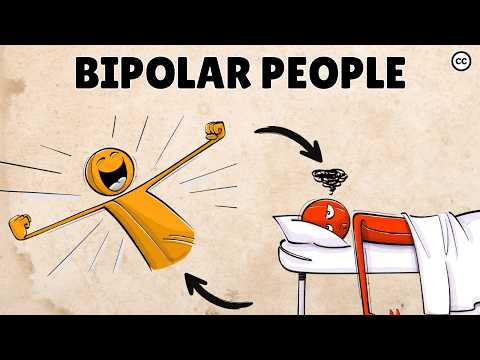
Hey, let’s talk about something real for a second. You know those days when you feel on top of the world, like you could conquer anything? And then—bam!—it’s like a cloud rolls in, and suddenly everything seems heavy? That’s kinda what mild bipolar disorder can feel like.
It’s not just about the big swings, though. It’s the little shifts in mood that can throw off your entire day. So, if you’re trying to navigate that rollercoaster—highs and lows included—you’re not alone. Seriously, many people are figuring it out day by day.
Finding ways to cope is key. And believe me, it doesn’t have to be all doom and gloom! There are some pretty chill strategies out there that can help you keep your balance amidst the ups and downs. You ready to dive into this journey together?
Understanding the Duration of Bipolar Episodes: Key Insights for Better Management
Bipolar disorder is like a roller coaster ride you didn’t sign up for. One moment, you’re on top of the world, feeling invincible during a manic episode. The next, you can crash into a deep and dark valley of depression. How long do these episodes stick around, though? That’s what we’re talking about.
Duration varies widely. For some folks, manic or hypomanic episodes can last just a few days. Others might find them dragging on for weeks or even months. Depression episodes generally last longer too—sometimes several weeks at a time. It’s not just black and white; it can look like an array of grays depending on the person and their circumstances.
So, let’s dig into this a bit more:
- Manic episodes: These are often characterized by an elevated mood, overactivity, and impulsive behavior. They can feel exhilarating but also exhausting! They usually last from 3 days to several weeks.
- Hypomanic episodes: A milder form of mania that might last just 4 days or more. You still feel pretty high energy but without some of the severe consequences.
- Depressive episodes: Here’s where it gets tough. These can last from two weeks to several months if untreated. Imagine waking up every day feeling like you’re wading through molasses.
- Cycling: Some people may experience rapid cycling, where they shift between depressive and manic states multiple times in a year—sometimes even within days!
The thing is, how these episodes play out can change based on personal factors: stress levels, sleep patterns, medication adherence—you name it!
Let’s say you’re in a good routine with your medication and practicing self-care regularly—maybe getting enough sleep and eating well—this may help lengthen those stable periods between episodes. Conversely, when life throws curveballs—like losing your job or going through a tough breakup—the chances for triggering an episode could increase.
And don’t forget about **support systems**! Having friends and family who understand what you’re going through makes managing those ups and downs way easier. You could lean on them during tough times or when you notice signs of an impending episode.
So yeah, it’s all about finding that balance in life while arming yourself with awareness about your condition. And remember: recovery isn’t always linear; it has its twists and turns too! Just hang in there; each day is another opportunity to get closer to understanding yourself better and managing those bipolar episodes effectively.
Inside a Bipolar Person’s Daily Routine: Understanding the Impact on Mental Health
Bipolar disorder can be a real rollercoaster. For someone living with mild bipolar disorder, daily routines often ebb and flow, influenced by their mood swings. You might start your day feeling on top of the world, but by lunch, you could be grappling with feelings of sadness or irritability. It’s all part of the cycle.
Let’s talk about what a typical day might look like for someone dealing with this. Mornings can be tricky. If they’re in a manic phase, they might wake up early, buzzing with energy. They might dive right into a huge to-do list without even taking time for breakfast. But during depressive phases? Getting out of bed can feel like climbing a mountain.
- Morning Routine: This can vary so much! Imagine someone bright-eyed one day, making breakfast and planning their schedule—but other days, just getting dressed feels overwhelming.
- Work or School: When they’re feeling good, they might tackle tasks at work like a champ! But during low times? They could struggle to focus or even find themselves calling in sick more often.
- Social Interactions: Social life is where bipolar symptoms really shine—sometimes there’s lots of energy for fun outings with friends, and other times it’s pure isolation. You feel me?
One thing that really helps is establishing some structure! For many folks with bipolar disorder, sticking to a consistent daily routine can smooth out the ups and downs a bit. Regular sleep schedules are crucial too; sleep has this wild power over mood stability.
Mood tracking is another tool that people find super useful. Keeping tabs on when moods shift can help spot patterns over time—like maybe certain days are consistently lower or higher than others—allowing for better coping strategies.
- Coping Strategies: Techniques like mindfulness and deep-breathing exercises can help ground them during tough moments.
- Treatment Plans: Regular appointments with professionals play an important role too; talk therapy and possibly medication can provide relief and stability.
You know what else matters? Support systems! Friends or family who understand what bipolar disorder is all about can make such a difference. Sometimes all you need is someone to lend an ear during those challenging moments.
The impact on mental health from managing daily life while living with mild bipolar disorder is significant but totally navigable with the right tools and supports in place. It’s all about finding balance and knowing what helps you through those ups and downs!
Essential Coping Skills for Managing Bipolar Disorder: Downloadable PDF Guide
Managing bipolar disorder can feel like riding a rollercoaster, you know? One minute, you’re flying high during a manic episode, and the next, you may be plunged into a deep pit of despair. The thing is, having some solid coping skills up your sleeve can really help you navigate those ups and downs more smoothly.
Understand Your Triggers
First off, it’s crucial to know what gets your mood swinging. Stressful situations, lack of sleep, or even changes in routine can sometimes trigger episodes. Take some time to figure out what affects you the most. Keeping a mood journal can help with this—you just jot down your feelings and circumstances each day.
Establish a Routine
Having a daily routine can offer some stability in your life. Regular sleep patterns are super important. Try going to bed and waking up at the same times every day. Also, incorporate regular meals and exercise into your schedule. It may sound basic, but these things can have a huge impact on how balanced you feel.
Practice Mindfulness
Mindfulness techniques are another tool that might help. Being present in the moment could reduce anxiety and improve your overall well-being. You could try meditation or even simple breathing exercises when life feels overwhelming. Let’s say you take five minutes to focus solely on your breath; it could really ground you when moods start to shift.
Connect with Others
Don’t underestimate the power of connection! Having supportive friends or family members is key when managing bipolar disorder. Talk about how you’re feeling—sharing those emotions helps lift some weight off your shoulders. Plus, having someone there who gets it can make all the difference during tough times.
Avoid Substance Abuse
This one’s major: avoiding alcohol and drugs is essential for managing bipolar disorder effectively. These substances can mess with medications you’re taking and exacerbate symptoms—seriously not worth it!
Create an Action Plan
Working on an action plan for when things get tough could be invaluable too. Write down steps to take if you’re feeling low or overly energetic—like calling a friend or going for a walk—to help pull yourself back from extremes.
Consider Professional Support
And hey, don’t shy away from getting professional help if you need it! Therapists can provide guidance tailored specifically for you—and medication might also be something worth exploring with a doctor if things feel unmanageable.
Building coping skills takes time and practice; it’s more like a journey than an overnight fix—it’s about finding what works best for *you*. Keeping these strategies in mind while navigating daily life with mild bipolar disorder might just lighten that rollercoaster ride in ways you’d never expect!
Living with mild bipolar disorder can feel like riding an emotional rollercoaster, you know? One moment you’re soaring high, feeling on top of the world, and the next, you might find yourself in a bit of a slump. It’s not just a flick of a switch; it’s more like a whole range of colors on a palette.
I remember talking to my friend Mia about her experiences. She was diagnosed a while back and described it as having these vivid, intense highs where she felt absolutely unstoppable—like she could conquer anything. You could see her glow! But then there were also those moments when she’d crash hard, feeling overwhelmed and exhausted. It was tough for her to keep up with the flow.
So how do people like Mia cope? Well, some strategies can really make life feel a bit more manageable. For one thing, routines can be super helpful. Keeping regular sleep patterns sounds boring but trust me—it helps stabilize mood swings. That doesn’t mean you can’t have fun or spontaneous outings; it’s just about finding that balance.
Another huge thing? Self-awareness is key! Recognizing those warning signs when mood shifts start creeping in can give you the heads-up to tap into coping strategies before they spiral out of control. Maybe that means pulling out your journal or chatting with someone who gets it.
Speaking of chats—therapy is another great tool in your belt! Having someone to talk stuff out with makes such a difference. Whether it’s cognitive-behavioral therapy or something else entirely, it’s like having your own cheerleader guiding you through the ups and downs.
Oh! And let’s not forget about taking care of yourself physically too—exercise can be magical for boosting mood, even if it’s just going for a walk around the block or dancing in your living room.
Living daily life while managing mild bipolar disorder isn’t always easy. But with some patience and understanding toward yourself (and maybe some help from loved ones), you can definitely carve out those moments of calm amidst the chaos. It might not be perfect but every little step counts!