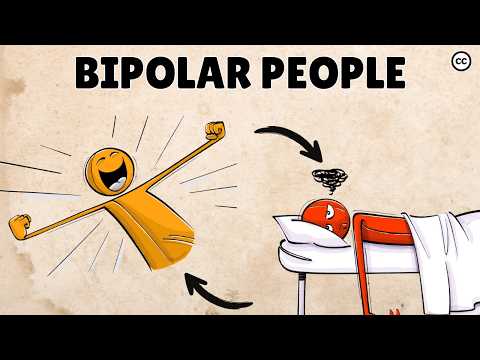
You know, bipolar disorder can be a bit of a rollercoaster. But there’s this thing called mild bipolar disorder that people don’t really talk about much. It’s like the quieter cousin of the full-blown version.
Imagine having those ups and downs but not as intense. It can sneak up on you in daily life, affecting everything from your mood to relationships. You might feel high energy one day and then, bam, hit with some low vibes the next.
It’s a wild ride, right? Sometimes it’s tough to figure out how to cope with it all. So let’s dig into what mild bipolar disorder looks like and how it dances through the day-to-day stuff in life.
Understanding Mild Bipolar Disorder: Signs, Symptoms, and Presentation
Bipolar disorder can be tricky, right? We often hear about the extremes—those big mood swings that go from feeling on top of the world to deep down in a dark pit. But what about **mild bipolar disorder**? It’s a bit more subtle but still very real. Let’s break it down.
Mild bipolar disorder, sometimes known as **bipolar II**, isn’t as intense as its big sibling, but it still affects daily life. It features both **hypomanic** and **depressive episodes**—but the highs aren’t as high and the lows aren’t as low. So what does this look like in real life?
First off, during those hypomanic phases, you might feel super energetic and creative. Maybe you’re working on that project you’ve been putting off, cranking out ideas like a machine! But then again, there’s a flip side. You could also experience irritability or become easily distracted, making it tough to focus.
On the other hand, when the depressive phase rolls around, things change quite a bit. You could find yourself feeling really down or hopeless—for no obvious reason at all. That can make getting out of bed seem like climbing Mount Everest! You know how it feels when everything feels heavy? Yeah, that’s kinda what it’s like.
Here are some classic signs and symptoms of mild bipolar disorder:
- Hypomanic Episodes: Increased energy levels and productivity.
- Racing thoughts: Your brain is running faster than your feet.
- Irritability: Overreacting to minor annoyances.
- Depressive Episodes: Feeling sad or hopeless for extended periods.
- Sleep disturbances: Finding it hard to sleep well or sleeping too much.
Living with mild bipolar disorder can feel like being on a rollercoaster ride – exhilarating at times but scary too! You might manage to keep things together at work or school even when you’re not feeling your best; however, relationships can take a hit without even realizing it.
For example, let’s say you’re in one of those hypomanic phases. You’re super social! Maybe you make plans with friends every night for weeks on end. But then comes that low swing where suddenly texting back feels impossible; your friends may feel neglected without knowing what’s going on inside your head.
But here’s the thing: acknowledging these patterns is key! Seeking support from mental health professionals who “get it” is super important too because they can help you navigate through daily life challenges with effective strategies.
You might not see bipolar traits as something significant if they seem “mild,” but taking care of yourself matters just as much as anyone else with more severe symptoms. Having tools in your toolkit—for managing emotions and staying connected—can make all the difference between surviving and thriving.
So if any part of this resonates with you or someone you know? Well, don’t hesitate to reach out for help; you’re not alone in this ride!
Living a Fulfilling Life with Bipolar Disorder: Practical Tips and Insights
Living with bipolar disorder, even the mild form, can be like riding a rollercoaster. One moment, you’re soaring high, feeling invincible; the next, you might find yourself in a deep dip. It’s not just about moods swinging; it’s really about finding ways to lead a fulfilling life amidst those ups and downs.
First off, let’s unpack what living with *mild bipolar disorder* actually means. You might experience mood changes that aren’t as extreme as others might face but can still impact your daily life. You know those days when everything feels too much? That’s it. The subtle shifts can show up in energy levels, sleep patterns, and even how you interact with people.
One way to cope is to build a **strong support system**. This could be friends, family, or support groups where you can share experiences without judgment. Seriously, having folks around who “get it” makes a world of difference.
Then there’s **self-awareness**. Keeping track of your moods through journaling can be helpful. You might write down what made you feel good or what triggered an emotional dip. It sounds simple but recognizing patterns helps manage your symptoms better over time.
Next up is establishing **routines**—this is key! Regular sleep schedules and meal times can significantly stabilize mood swings. Letting your body know what to expect each day can create a sense of normalcy in the chaos.
But it’s not all about structure! Don’t forget to allow yourself some **flexibility** too. Life isn’t always predictable; sometimes things will throw you off course and that’s okay! If something comes up that disrupts your routine, try not to panic—just adapt as best as you can.
Also, consider incorporating **mindfulness practices** into your daily life—things like meditation or yoga could work wonders for grounding yourself when feelings get overwhelming. Just taking a few moments to breathe deeply can shift your perspective and help settle those racing thoughts.
And hey—it’s super important to have *creative outlets.* Engaging in activities like painting or writing lets you express emotions that might be hard to articulate otherwise. It becomes this safe space where you can let it all out without having to explain everything.
Another biggie? Learning about your condition! Understanding bipolar disorder helps reduce stigma—in both yourself and society at large—and makes it easier for people around you to offer support when needed.
Don’t shy away from seeking help from mental health professionals either if things get tough; therapists are there for exactly that reason! They’ve got tools and strategies tailored just for situations like yours.
Finally, remember that living with mild bipolar disorder doesn’t define who you are—you’re multifaceted! Embrace hobbies and relationships that bring joy into your life because they’re vital in painting a fuller picture of you beyond the diagnosis.
In short:
- Build a strong support system
- Practice self-awareness through journaling
- Establish routines but stay flexible
- Incorporate mindfulness practices
- Engage in creative outlets
- Educate yourself about bipolar disorder
- Seek professional help when needed
- You are more than your diagnosis
So yeah, living well with mild bipolar disorder is totally possible! It takes work and self-care but finding balance amidst the ups and downs is so worth it in the end.
Understanding Bipolar Thinking: Insights into the Mind of a Person with Bipolar Disorder
Bipolar disorder can be a tricky condition to wrap your head around. It’s more than just mood swings, you know? The thing is, it affects how you think, feel, and act. This condition often comes in different flavors, with mild bipolar disorder being one of them. If you’ve ever met someone with bipolar disorder, you might have noticed that their thinking can shift dramatically depending on their mood.
One of the key features of bipolar disorder is these **mood episodes**. You could be on a high one moment—feeling unstoppable and full of energy—and then suddenly find yourself in a low where just getting out of bed feels like climbing a mountain. It’s not just about happiness or sadness; it’s more complex than that.
When someone experiences **mild bipolar disorder**, they might swing between elevated moods (hypomania) and periods of depression, but these changes are less severe than what people with full-blown bipolar experience. Still, those shifts can disrupt daily life significantly. Imagine trying to focus at work after a sleepless night fueled by racing thoughts. That’s the reality for many folks dealing with this condition.
The hypomanic phase might come with bursts of creativity or productivity. You could feel like you’re on top of the world—making plans, finishing projects ahead of schedule. But here’s where it gets tricky: during this time, you might also make impulsive decisions without really thinking them through, like splurging on stuff you don’t need or saying things that come off way too strong in conversations.
In contrast, when depression hits—a whole different ball game—you may struggle to find motivation for even the simplest tasks. You could find yourself lost in your thoughts about worthlessness or hopelessness that seem to have no end. Those feelings really take a toll on day-to-day activities like going grocery shopping or hanging out with friends.
- Thought Patterns: During hypomania, thoughts race and it’s hard to concentrate because your mind’s jumping from one idea to another.
- Decision Making: That burst of energy can lead to taking risks or making choices that you wouldn’t normally consider.
- Social Interactions: You might feel super energetic and want to socialize a lot during hypomania but pull away completely during depressive episodes.
So, coping with mild bipolar disorder means learning how to manage those wild ups and downs better. Strategies often involve therapy (like cognitive-behavioral therapy) and medication to stabilize mood swings—though finding the right balance can take some time.
Think about how important routines are for anyone’s mental health; for someone with mild bipolar disorder, having regular sleep patterns and healthy habits becomes even more crucial. It’s kind of like building a solid foundation so when things do start wobbling—you’ve got something firm beneath your feet.
If you’re close to someone navigating this journey—or if it’s you—you’re not alone in this rollercoaster ride! Understanding these thought processes can really help create compassion and clearer communication between friends or family members dealing with this condition.
And remember: awareness makes a difference! So if you’ve got questions about how mild bipolar disorder plays into everyday life—or even what you can do if you’re supporting someone—it never hurts to ask! Plus, knowing what to look for helps break down stigma surrounding mental health issues over time.
You know, mild bipolar disorder can be kind of tricky. It’s like riding a rollercoaster but with less excitement and more confusion. Picture this: you’re feeling on top of the world one moment—supercharged with energy, thoughts racing faster than the speed of light. Then, without any warning, it’s like someone hits the brakes, and you crash into that low mood where even getting out of bed feels like climbing a mountain.
I was talking to my friend Sarah not too long ago about this. She’s got mild bipolar disorder, and she shared how it plays out in her daily life. During those high phases, she feels invincible—she tackles projects at work, finishes tasks months ahead of schedule, and feels more social than ever. Seriously! She can talk to anyone about anything. But when that low phase rolls in? Well, let’s just say it can feel like dragging a boulder uphill while wearing a backpack full of bricks.
What hits home is how it affects relationships too. In those soaring periods, Sarah’s friends love being around her because she’s lively and adventurous. But when she dips down? Sometimes they don’t understand why she needs space or why she’s not the same fun person they know. It becomes tough to communicate what she’s going through without feeling like a downer.
And for work? That’s a whole other story! During highs, she might take on more than she can handle—like saying yes to every project under the sun—and then during those lows? Well, deadlines feel like the end of the world. So it takes deep breaths and careful planning to keep things rolling smoothly.
But here’s the thing: it doesn’t define her! With therapy and some strategies in place (like sticking to a routine), Sarah manages those ups and downs better now. It’s about finding balance—learning when to ride that wave of energy and knowing when to take a step back.
So yeah, living with mild bipolar disorder is definitely not easy; there are moments that challenge you daily. But understanding yourself better can really change how you cope with it all—and that makes all the difference!