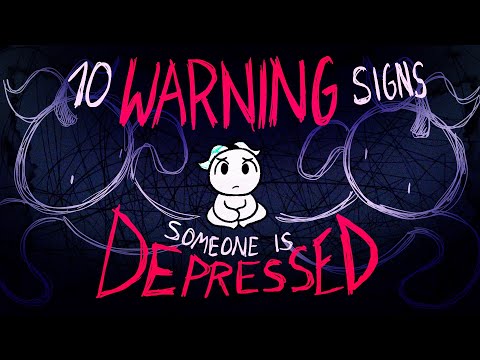
Hey there! So, let’s chat about something that’s kinda sneaky: mild depression. You know, it’s not all dark clouds and tears. Sometimes, it hangs out quietly in the background.
You might not even realize it’s there at first. Things just feel a little… off. Maybe you’re tired all the time or just don’t care about stuff you used to love.
That’s the tricky part! Life keeps moving, right? But little signals pop up that can mean something more is going on beneath the surface.
Let’s dig into how to spot those signs in your everyday life without the heavy stuff weighing you down. You with me? Cool!
Understanding Mild Depression: Symptoms, Feelings, and Coping Strategies
Mild depression can sneak up on you, right? It’s like that annoying shadow that follows you around. You may not even realize it at first, thinking you’re just having a “meh” day. But the thing is, recognizing those subtle signs early can help a lot.
Symptoms of Mild Depression often linger in your daily life. You might notice that getting out of bed feels tougher than usual. Or maybe things that once brought joy—like hanging out with friends or diving into your favorite hobbies—just don’t hit the same anymore. That sense of hopelessness? Yeah, it might creep in too.
Here are a few common symptoms to watch for:
- Fatigue: You feel tired all the time, even after a good night’s sleep.
- Changes in appetite: You could find yourself eating more or less than usual.
- Irritability: Little things start to set you off, and you feel easily frustrated.
- Lack of motivation: Tasks that used to be easy now seem like climbing a mountain.
- Difficulties concentrating: It feels hard to focus on work or conversations.
Remember when Sarah—the girl from your class—stopped showing up to study groups? She seemed fine at first until she shared how she just didn’t have the energy anymore. It turns out she was feeling mild depression but didn’t think it was serious enough to talk about. That feeling can be so isolating.
When you’re dealing with these feelings, it’s crucial to find coping strategies that resonate with you. Here are some ideas:
- Journaling: Write down what you’re feeling. Sometimes putting emotions on paper makes them less heavy.
- Talk it out: Sharing how you feel with someone you trust can relieve some weight off your chest.
- Mild exercise: Going for a walk or doing yoga can boost those endorphins and lift your mood.
- Aim for routine: Try setting small daily goals; this gives structure and purpose to your day.
- Meditation or mindfulness: These practices help ground you and reduce stress levels. Just five minutes can make a difference!
The journey through mild depression is unique for everyone—it’s okay to not have everything figured out immediately. Just remember, if these feelings linger or worsen, reaching out for help is super important. Talking to a therapist or counselor could shine some light on what you’re experiencing.
Ultimately, dealing with mild depression doesn’t mean there’s something wrong with you; it’s just part of being human. Don’t hesitate to take small steps towards brighter days ahead!
Recognizing the Signs: How Depression Manifests in Daily Life
So, you know how sometimes you just feel, well, kind of “blah”? That might be a sign of mild depression sneaking into your daily life. It’s not always about feeling super sad; it can show up in different ways.
Fatigue is a huge one. You wake up tired, even after a full night’s sleep. It’s like you just can’t shake that exhaustion. Maybe you find it hard to get out of bed or feel like completing simple tasks takes all your energy. Seriously, I know someone who would sit on the edge of their bed for what felt like ages before finally mustering the strength to start the day.
A change in sleep patterns can also be a telltale sign. Some folks might sleep too much and still feel groggy, while others can’t catch any z’s at all. Imagine lying there staring at the ceiling, thinking about everything and nothing at the same time—it’s exhausting in itself.
Interest in activities may suddenly fade away too. Things you used to love—like hanging out with friends or diving into your favorite hobbies—now seem like chores. You might think, “Ugh, do I really want to go out?” That friend who once couldn’t wait for movie night now has zero energy to pick a film.
- Irritability: Feeling on edge over small stuff? Like when someone chews too loudly next to you? Totally relatable.
- Difficulty concentrating: Ever had those days where reading feels like trying to run a marathon? It’s tough!
- Appetite changes: Some people eat way more out of boredom or sadness; others lose interest in food altogether.
- Physical symptoms: Yep! Depression can manifest as aches or pains that just won’t quit without a clear cause.
You might also notice some persistent feelings of worthlessness or guilt, often over little things that don’t even matter in the long run. You could find yourself thinking thoughts like “I should have done better” after something totally minor happens at work or home.
I remember talking with someone who said they felt guilt when they took time off for self-care. They just couldn’t wrap their head around putting themselves first; it was all tied up with their feelings of worthlessness.
The thing is, staying aware of these signs and acknowledging them is key—you don’t always have to push through alone! Reaching out for support is so important and can make all the difference between feeling stuck and finding your way back to happier times.
If this resonates with you or someone close to you, consider chatting with a mental health professional. They provide tools and strategies that help manage these feelings so daily life doesn’t feel so heavy anymore!
Understanding Minor Depression: Symptoms, Causes, and Coping Strategies
So, minor depression, sometimes called mild depression, isn’t a term that gets tossed around a lot, but it’s super important to recognize. You might feel low, but not enough for a full-blown diagnosis of major depression. But don’t brush it off—it really can affect your daily life.
Symptoms of minor depression can be sneaky. They might not seem severe at first glance, but they can add up. You could experience:
- A general feeling of sadness or emptiness for a few weeks.
- Losing interest in things you used to enjoy—maybe it’s that hobby you loved or hanging out with friends.
- Feeling tired all the time, even after getting enough sleep.
- Poor concentration; like, you’re staring at your computer screen but not really absorbing anything.
- Changes in appetite—either eating way more or way less than usual.
- A sense of hopelessness or frustration that hangs around like an unwanted guest.
You see how these symptoms can overlap with just feeling “off” or stressed? That’s part of the tricky nature of minor depression. It creeps in slowly and makes everything feel heavier without throwing you into a full-on meltdown.
Now let’s talk about what causes this kind of depression. Sometimes it’s tied to life events. Maybe you’re dealing with:
- A big change—like moving to a new city or starting a new job.
- An ongoing stressor – like financial worries or relationship issues that just don’t quit.
- A sense of loss, whether it’s losing a loved one or even something less obvious like losing your motivation for activities that once excited you.
The thing is, there might not be one single reason why you’re feeling this way. Our brains are complicated! Genetics and biology also play roles here; if there’s a history of mood disorders in your family, it could increase your chances as well.
You’re probably wondering how to cope with minor depression when life feels heavy. Here are some strategies that can help:
- Talk about it: Find someone who listens without judgment—a friend or therapist—to share what you’re going through.
- Get moving: Regular exercise—even just a walk—can really boost your mood by releasing those feel-good chemicals called endorphins.
- Create structure: Try setting some small daily goals to give yourself purpose and maybe even regain some lost interest in activities.
- Practice self-care: Make time for things that make you happy—even if they seem tiny. Maybe it’s reading a good book or watching your favorite show!
Coping isn’t always easy, and some days may feel better than others—totally normal! Just remember: recognizing those signs is the first step toward taking care of yourself. It’s important to pay attention to how you’re feeling and reach out when needed because mild depression can turn into something bigger if left unaddressed. Your mental health matters!
You know, when you hear the term «depression,» it often brings to mind those heavy, dark images—like someone lying in bed, curtains drawn, and just not wanting to get up. But mild depression can sneak into your life like a thief in the night. It’s not always so obvious, and sometimes you might not even realize it until it’s slapped you in the face.
I remember a time when a friend of mine started feeling really low. At first, it just seemed like she was tired all the time or maybe a bit less interested in hanging out. She’d take a rain check on plans more than usual. But then I noticed she stopped replying to texts or would just send back short answers that felt kinda flat. It was subtle at first—like when you’re watching a movie and don’t even realize how much you’ve slouched into the couch until you’re practically lying down.
So what are these mild symptoms? Well, they can look different for everyone. You might feel more irritable than usual or find yourself unable to enjoy things like you used to. Even simple tasks like doing laundry or cooking a nice meal can start feeling overwhelming. And let me tell you, nobody enjoys chores as it is!
You might also find that your sleep schedule gets all messed up—either sleeping too little or way too much, which just adds another layer of exhaustion to your day! Ever had that feeling where you wake up and think about all the stuff you need to do but just can’t bring yourself to get out of bed? Yeah, that’s real.
And hey, if you’re finding yourself zoning out during conversations or struggling to focus at work or school, that’s another clue. It’s like being trapped in your head while the world moves around you. You feel there but also kinda not there—like trying to watch a movie through foggy glasses.
Recognizing these signs earlier can help shift things for the better before they snowball into something bigger. Talk to someone if anything feels off; it’s totally okay! Sometimes just naming what’s happening makes it feel less heavy.
Honestly, life throws curveballs at everyone, and navigating those feelings doesn’t have to be done alone. It’s about catching those small shifts early on and caring for ourselves without judgment—because we all deserve good days ahead!