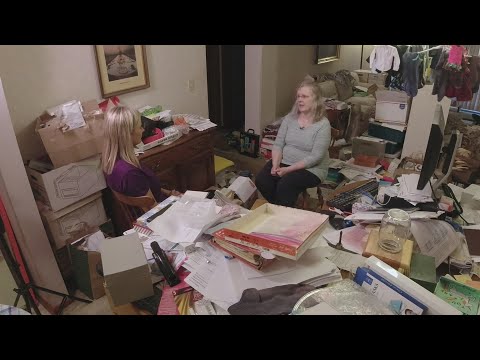
You know how sometimes you just can’t let go of things? Like, there’s that old shirt you wore back in high school or those random toys from childhood? It might seem harmless at first. But for some people, it goes a bit deeper.
Mild hoarding behavior is like this sneaky thief that creeps into everyday life. You think it’s no big deal, and then suddenly, your space feels more cramped than a packed subway car at rush hour.
It can make your home feel less like a cozy retreat and more like an obstacle course. Seriously, it’s tough to navigate through all that stuff! And what about the feelings tied to it? Yeah, there’s a whole emotional whirlwind happening behind the scenes.
Let’s dig into this interesting topic together. There’s so much more to understand about why we hold on and how it affects us. Trust me; you don’t want to miss this!
Can Hoarders Achieve Recovery? Understanding the Journey to Mental Wellness
Hoarding can be a tough road, you know? Many people think it’s just about having too much stuff lying around, but there’s a lot more going on beneath the surface. When we talk about recovery for hoarders, we’re looking at a complex journey filled with ups and downs. Like any mental health struggle, it takes time, patience, and often some professional help to really make strides.
First off, it’s important to understand that hoarding isn’t just about being disorganized or lazy. It often stems from underlying psychological issues such as anxiety or trauma. For some people, holding onto items provides a sense of security or connection to memories. Imagine someone who lost a loved one and clings to their belongings as a way of coping. That emotional attachment can make it really difficult to let go.
Now, can hoarders achieve recovery? Absolutely! But the path isn’t always easy. Here are some key points about the journey:
- Self-awareness is crucial: The first step in recovery is recognizing that there’s a problem. This might not happen overnight; it often takes time and reflection.
- Therapy plays a big role: Cognitive Behavioral Therapy (CBT) is one approach that many find helpful. It focuses on changing negative thought patterns and behaviors associated with hoarding.
- A strong support system can make all the difference: Friends and family who understand the situation (without judgment) provide emotional backing that’s key in this process.
- Gradual decluttering is vital: Recovery doesn’t mean tossing everything out at once. It takes small steps—like keeping just one bag instead of ten—to develop better habits over time.
- Setting realistic goals: Progress happens when goals are achievable. Aiming for more organized spaces instead of perfection helps maintain motivation.
- Relapses are common: The journey isn’t linear; setbacks may happen along the way. It’s important not to get discouraged if things slip back—it’s part of healing!
Also, let’s remember that each person’s experience is unique. One individual might find success through group therapy where they share stories with others facing similar challenges; another might thrive in one-on-one sessions with a therapist who specializes in hoarding disorders.
Honestly, recovery is less about flipping a switch and more like climbing a mountain—you’ll have your good days when you feel on top of the world and other days where it feels like you’re trudging through mud.
In my experience chatting with folks who’ve faced this struggle, I’ve seen real transformations take place over time—like someone who started by letting go of old magazines from years ago gradually moved on to tackling bigger items like furniture they didn’t need anymore.
So yeah, while recovery from hoarding is definitely possible, it requires dedication from both individuals seeking help and those supporting them in their journeys towards better mental wellness. It’s all about finding what works best for you or your loved one!
Effective Strategies to Overcome Hoarding Behavior and Declutter Your Life
Hoarding can really be a tough situation to deal with, huh? It’s like this invisible weight that just keeps piling up, and before you know it, you feel buried in your own stuff. But if you or someone you know is struggling with hoarding behavior, there are definitely ways to ease that burden and start decluttering your life.
First off, acknowledgment is key. This might sound simple, but realizing that hoarding is more than just being messy is huge. It can stem from emotional struggles or a desire for security. Think about it—many people hold onto things because they get attached to memories, or the items feel like a safety blanket.
Next up, setting small goals can really make a difference. It’s all too easy to feel overwhelmed when looking at a room full of clutter. So step by step works better. You could start with one shelf or even one box at a time. Celebrate those little wins! Maybe after clearing out a box, treat yourself to something nice like your favorite coffee or snack.
Then there’s the whole idea of sorting items into categories. When you’re going through your stuff, try grouping things based on what’s important to you versus what you can live without. You might find that old magazine collection from the early 2000s isn’t as valuable as you thought!
Another effective strategy is finding support. Talk about this stuff with someone who gets it—be it a friend or even a therapist. Just having someone there can make tackling the clutter less lonely and intimidating. Plus, they might help keep you accountable!
And don’t forget about embracing minimalism. This doesn’t mean tossing everything out; rather, it’s about becoming mindful of what truly adds value to your life. Maybe take some inspiration from minimalist blogs or books? They often have great ideas on living simply without feeling deprived.
Sometimes it helps to visualize what your space would look like after decluttering—like imagine having clear surfaces where you can actually see and use things instead of tripping over them! It’s pretty motivating when you think about how much nicer life could be with less chaos around.
Lastly, if things ever feel too heavy—or if hoarding behaviors are really ingrained—consider reaching out for professional help. There are therapists specializing in hoarding issues who know how to navigate those tangled feelings and thoughts.
So yeah, conquering hoarding isn’t an overnight fix—it takes time and effort—but it’s totally possible! Remember, every little step counts toward decluttering not just physical space but also mental space too. You got this!
Understanding the 5 Stages of Hoarding: A Comprehensive Guide to Mental Health
Recognizing hoarding can be a bit complex. It’s not just about the clutter; there’s a whole psychological side to it. So, let’s break down the five stages of hoarding to really get what’s going on, especially when you’re dealing with mild hoarding behaviors.
The First Stage is often where it all begins: **mild hoarding behavior**. You might find yourself keeping things that hold sentimental value or seem useful but aren’t really needed in your life anymore. Like, maybe you’ve got a collection of old magazines or clothes that don’t fit anymore, but you just can’t let go of them.
In The Second Stage, people start feeling overwhelmed by their possessions. It’s like there’s a mental block. You know these items are piling up, but there’s an emotional attachment to them that feels impossible to break. Imagine feeling anxious every time you think about cleaning up, thinking, “What if I need this later?” A friend of mine once kept every birthday card he’d ever received because he felt guilty about throwing them away.
Then we hit The Third Stage. This is where it gets trickier: **active hoarding** becomes evident. You might notice that your living space is becoming cluttered to the point where navigating around becomes difficult. Boxes and bags stacked everywhere? Yeah, that’s a sign! The issue here isn’t just physical clutter; it begins affecting daily life—like avoiding inviting friends over because you’re ashamed of the mess.
Next comes The Fourth Stage: **compulsive acquisition**. Folks often start bringing in new items at an alarming rate without even thinking about whether they need them. This can be buying too much stuff during sales or picking up “free” things from the street that just end up taking more space at home. If you’re feeling like every little thing has to come home with you because “you might need it,” it’s time for a reality check.
Finally, we arrive at The Fifth Stage, which is the most intense and distressing: full-blown hoarding disorder. At this stage, attachments don’t just cause clutter; they can lead to serious issues in relationships and even basic functionality in life. Let’s say someone may not be able to prepare meals because their kitchen is full of stuff piled high everywhere—it becomes a safety hazard and starts affecting health too!
Understanding these stages isn’t just academic—it matters for real-life implications on mental health! If you or someone close struggles with any of these stages, approaching it with kindness and support makes all the difference. It’s super critical people know they’re not alone in this journey toward decluttering both physically and emotionally.
So keep an eye out for those signs—awareness is key!
Have you ever looked around your place and thought, «Wow, I’ve got a lot of stuff!»? We all have our little collections or keepsakes that mean something to us. But then there’s this blurry line where it goes from just having a few extra things to feeling overwhelmed by clutter. That’s where mild hoarding behavior can kick in.
I remember a friend of mine, let’s call her Sarah. She had this cozy little apartment, filled with books, knickknacks, and the occasional half-finished project. At first glance, it looked charming—like living in a Pinterest board gone slightly awry. But as time went on, she found it harder to find space for new things and even more difficult to let go of the old ones. Every time she thought about tossing something out, that familiar anxiety would bubble up inside her.
That’s what many don’t realize about mild hoarding: it’s not just about stuff. It’s tied closely to emotions and memories. For some folks, each item carries a story or represents a moment in their lives—like that concert ticket from five years ago or the sweater Grandma knitted. Letting go feels like losing a piece of who they are.
Now, just because someone isn’t buried under piles of junk doesn’t mean they’re not struggling. Mild hoarding can sneak up on you. Maybe you organize your space but still struggle with keeping your things under control emotionally. It becomes exhausting when you’re constantly shuffling items around instead of really letting them go.
And there are bigger mental health implications too! People might feel guilt or shame linked to their belongings—thinking they’re lazy for not organizing or wondering why they can’t just clean up like everyone else seems to do so easily. It can lead to isolation and loneliness when friends stop visiting because they feel uncomfortable in your space.
The thing is, if you’re noticing those feelings creeping in—whether it’s being attached to items or finding yourself avoiding friends because you’re embarrassed—it’s totally okay to reach out for help. Therapy can be super beneficial in untangling those emotions and helping sort through what’s truly valuable versus what’s weighing you down.
It’s all about balance, really! Finding ways to cherish memories without holding onto every little thing is key. So next time you’re staring at that pile you’ve been meaning to sort through, maybe take a minute to think about what truly matters—or just grab your favorite item and let the others go!