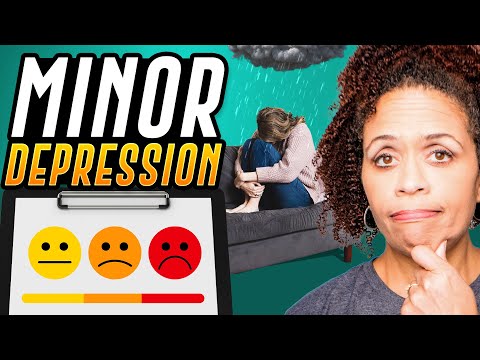
You know those days when getting out of bed feels like climbing a mountain? You’re not alone.
Mild major depression can hit you like a wave, surprising and overwhelming. It’s like walking around with a cloud hanging over your head, even when the sun is shining.
Maybe it’s just one rough patch in your life, or maybe it lingers. Either way, understanding what’s up can help.
So, let’s chat about this thing called mild major depression and how to navigate through that single episode experience. It might feel heavy now, but we can break it down together!
Understanding the Duration of a Major Depression Episode: Key Insights and Factors
Major depression, or major depressive disorder (MDD), can feel like you’re trapped in a fog. And if you’re dealing with a mild episode, the experience can still be pretty heavy. Understanding how long these episodes can last and what factors play into that duration is really important.
Duration of Major Depression Episodes
So, how long does a typical episode of major depression stick around? Well, it varies a lot. Some folks might experience symptoms for just a few weeks, while others could be feeling it for several months or even longer. On average, an untreated episode lasts about six months. However, this isn’t set in stone.
If you catch it early and get help—like talking to someone or starting therapy—you might find relief sooner. Treatment can seriously change the game.
Factors Affecting Duration
Let’s break down some of the key factors that influence how long a major depressive episode lasts:
Thinking about all this reminds me of someone I know who battled their own version of mild major depression. They felt stuck for months but started talking with a therapist regularly and found new ways to cope—like journaling and going for walks. Within weeks, they noticed small shifts in their mood.
What You Can Do
If you’re in the thick of it now or know someone who is grappling with these feelings, it’s important to seek help. Connect with a therapist or counselor who gets it; they can guide you through those dark times.
Not every situation looks the same, but realizing that there are many paths to healing is empowering. So whether it’s reaching out for support or trying new coping strategies—every little bit counts!
Understanding the Actions and Behaviors of Individuals with Severe Depression
When we’re talking about severe depression, it’s like trying to navigate through a thick fog. You know something is there, but you can’t see it clearly. Individuals with this condition often experience feelings of deep sadness and hopelessness. These feelings can really shape their actions and behaviors.
Understanding the experience of severe depression means diving into the ways it affects daily life. This isn’t just feeling sad for a day or two; we’re looking at an emotional weight that can change how a person interacts with the world around them.
People suffering from severe depression often withdraw from others. Remember that friend who stopped hanging out or answering texts? Yeah, that could be them dealing with this heavy load. They might feel like nobody can understand what they’re going through, leading to isolation.
- Lack of energy: Severe depression zaps energy levels, making even simple tasks feel monumental. Getting out of bed can be like climbing a mountain.
- Changes in sleep: Some folks sleep way too much; others can’t catch a wink. It’s like their body’s rhythm is completely off.
- Irritability: Instead of being the easy-going person you knew, they might snap at small things or seem easily frustrated.
- Diminished interest: Things they once loved? Not so much anymore. Hobbies don’t hold that spark they used to.
- Poor concentration: Everything feels cloudy and unfocused. It’s tough for them to keep track of conversations or complete tasks.
This isn’t just about feeling low; it’s also about how these feelings drive behavior. Let’s say someone once loved painting but now avoids the canvas entirely because—well—what’s the point? When hope is absent, even favorite activities lose their charm.
A friend of mine went through this sort of thing last year—a real struggle, you know? She was vibrant and full of life, but then she hit rock bottom. Everyone noticed she barely left her house and started canceling plans left and right—it was heartbreaking to watch her fade away like that.
The thing is, some people might not realize they’re going through an episode of major depression until it’s pointed out by someone else because they’re caught up in their own dark cloud. It’s crucial for friends and family to approach with compassion rather than judgment when they notice these behaviors shifting.
- Saying “I’m here for you” goes a long way!
- Your patience makes a difference; reaching out repeatedly shows you care—even if they push you away at first!
Treatment options exist! Therapy is one solid path—cognitive behavioral therapy (CBT) helps reframe negative thoughts into more helpful ones, while medications can also stabilize mood when needed.
But remember: what works for one person might not work for another so it’s super important to keep communication open during recovery.
If someone is dealing with severe depression symptoms as part of mild major depression episode, recognizing these behaviors might just be step one on a long road toward healing; showing understanding can make all the difference in helping them find their way back to brighter days ahead.
Understanding Single Episode Major Depressive Disorder: Key Insights and Implications
Single Episode Major Depressive Disorder, or major depression as most people know it, can hit you like a wave. One moment, you might be feeling ok, and the next, everything just feels heavy. It’s basically when someone experiences a low mood and loss of interest or pleasure in things for at least two weeks. There’s no previous history of depressive episodes, which makes it a “single episode.”
So let’s break down some key points to understand this better:
- Symptoms: You might feel sad most of the day or lose interest in activities you once loved. Everyday tasks may seem exhausting—getting out of bed can feel like climbing Everest! Other signs include changes in sleep patterns (like insomnia or sleeping too much), weight fluctuations, fatigue, feelings of worthlessness, and difficulties concentrating.
- Diagnosis: When it comes to getting diagnosed, a mental health professional usually assesses your symptoms thoroughly. They might ask about your mood over the past few weeks and how these feelings affect your daily life. It’s essential they rule out other conditions that could mimic depression.
- Treatment Options: Therapy is often a go-to here! Talking things through with a therapist can help you unpack what you’re feeling. Cognitive Behavioral Therapy (CBT) is quite popular—it helps change negative thought patterns into more positive ones. Medication might also be considered if needed, especially if symptoms are moderate to severe.
- The Course: For some people, this kind of depression can resolve on its own over time. But that doesn’t mean you should just sit with it and wait! Engaging in supportive therapy or focusing on self-care strategies can make a huge difference.
- Implications for Life: Experiencing single episode major depression can impact various aspects of your life: work, relationships, even hobbies go on pause when you’re feeling really low. However, understanding this condition is key to acknowledging that recovery is possible!
It’s important to remember that everyone experiences these feelings differently; one person’s «mild» could feel overwhelming for someone else. Think about Tom—a friend who went through something like this last year. He was super excited about starting a new job but ended up feeling lost and anxious for weeks after his first day. Just simple daily tasks felt like they were dragging him down.
In Tom’s case, he reached out for therapy after realizing he needed support but didn’t want to dive headfirst into medication right away—he opted for talk therapy first and began practicing mindfulness exercises every day as well.
What I’m saying is navigating through single episode major depressive disorder can be challenging but knowing the signs and treatment options gives you some control back in the situation! So take it one step at a time; remember it’s okay to ask for help along the way too!
So, mild major depression — it’s like this sneaky little shadow that creeps in when you least expect it. It’s not always the loud, dramatic kind of depression you might hear about. Instead, it comes in softly, with a dull ache that hangs around even on the sunniest days.
I remember a time when I was feeling pretty okay most of the time, but then out of nowhere, that heaviness settled in. I thought maybe it was just a rough patch or being super busy. You know how life can be sometimes? But as those weeks turned into months, I realized this wasn’t just “meh.” I was finding it harder to enjoy things I used to love — like grabbing coffee with friends or binge-watching my favorite shows. Just thinking about them felt exhausting.
The strange thing is, on paper, everything seemed fine. Work was steady, relationships were solid; I felt kinda guilty for feeling off. That guilt? Yeah, it just added another layer to the foggy haze. You start questioning yourself: “Why can’t I just snap out of it?” But it turns out that mild major depression isn’t something you can will away with positive thoughts or extra caffeine.
Navigating through a single episode can be draining. It’s not about being completely incapacitated; it’s more like running on half a tank – you’re moving forward but at a crawl. So what do you do? Talking helps—seriously! Whether it’s venting to a friend or seeking professional help, sharing what’s going on inside your head can lighten that burden.
And then there’s the whole aspect of self-care—eating well and getting outside really does matter more than we give credit for! Some days everything feels overwhelming and you just want to hide under your blanket—and that’s okay! A little kindness towards yourself goes a long way.
So yeah, mild major depression might feel isolating and confusing at times. But if you ever find yourself navigating through something similar, remember: you’re not alone in this experience. Each step forward counts—even if it’s tiny—and recognizing what you’re going through is huge in itself. It’s okay to take time figuring things out; every little bit matters on this journey back to feeling like yourself again.