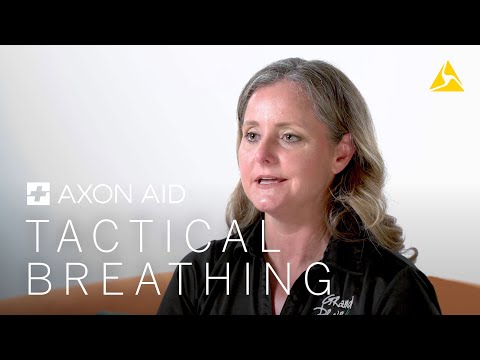
You know how life can feel like a rollercoaster sometimes? One minute you’re up, and the next, it’s like you’re plummeting down. It’s tough.
So, what if I told you that some simple breathing techniques used by the military could really help? Yeah, it sounds kind of out there, but they’ve got some tricks up their sleeves that can make a huge difference.
Imagine being able to calm those racing thoughts or cool down anxiety in just a few breaths. Seriously! These techniques are about finding your center when everything feels chaotic.
It’s not just for soldiers; it’s for anyone trying to navigate this wild ride we call life. So, let’s chat about how you can use these breathing methods to build mental resilience and find your calm.
Mastering the Navy SEAL Breathing Technique: A Proven Method to Calm Your Mind and Reduce Stress
The Navy SEAL breathing technique is a game-changer when it comes to managing stress and finding your calm. Seriously, if you’re feeling overwhelmed, this method can help ground you and bring clarity. It’s not just about toughening up; it’s about using your breath to control how you feel.
So let’s break down this technique a bit. The basic idea is simple: control your breathing to regain control over your mind and emotions. When adrenaline kicks in—whether you’re in a stressful situation at work, dealing with anxiety, or just feeling the weight of the world—your breath often gets shallow and rapid. That’s where this technique comes into play.
To practice the Navy SEAL method, follow these steps:
- Breathe In Deeply: Inhale through your nose for a count of four. Feel your belly expand as you fill your lungs.
- Hold Your Breath: Keep that breath held for another four counts. This helps build focus.
- Breathe Out Slowly: Exhale through your mouth for six counts. Imagine releasing all that tension with each breath out.
- Pause: After exhaling, hold your breath again for a count of two before taking another deep inhale.
It’s like hitting the reset button on your stress levels! You might be surprised by how much calmer you feel after just a few rounds.
Now, why does this work? Well, breathing deeply activates your parasympathetic nervous system—the part of your body that calms everything down after you’re stressed or anxious. So when you breathe in deeply and slowly like this, it signals to your brain that it’s time to chill out.
I remember a friend who started using this technique before big presentations at work. The first time he used it, he was shaking like a leaf! But after just five minutes of focused breathing in the bathroom stall—yeah, real classy—he emerged calm and collected. He crushed that presentation! So if it worked for him, why not give it a shot yourself?
The key is consistency. Just like any skill worth mastering takes practice, so does controlling your breath to manage stress effectively. You may not notice changes overnight but stick with it—you’ll likely find more peace in those increasingly chaotic moments.
In short, whether you’re gearing up for an intense workout or dealing with daily life pressures, mastering the Navy SEAL breathing technique can seriously aid in building mental resilience. Just remember: breathe deep, hold on tight for a beat or two, let it all go slowly—and watch how things start shifting for you!
Mastering Calm: Mental Strategies Used by Navy SEALs for Stress Management
So, you’ve probably heard a bit about how the Navy SEALs handle stress, right? These folks are trained to perform under intense pressure, and they have some solid mental strategies for staying calm in the chaos. Mastering calm isn’t just about being cool; it’s about having tools that help you navigate stressful situations effectively.
One of the key techniques they use is called military breathing. This method is pretty straightforward but super effective. It’s designed to help you lower your heart rate and clear your mind. Here’s how it works:
- Breathe in deeply through your nose for a count of four. Picture filling your belly with air, not just your chest.
- Hold that breath for another count of four. This helps to really anchor you.
- Breathe out slowly through your mouth for a count of eight. Imagine blowing out candles on a birthday cake—slow and steady.
- Repeat this process several times until you feel more centered.
You know, I remember reading about one SEAL who described using this technique before jumping into high-stakes situations. Just taking those few moments to breathe helped him focus and not get overwhelmed by adrenaline or fear.
Another strategy they often rely on is visualization. Before a mission, they’ll visualize every step of their plan in detail. They see themselves succeeding, overcoming obstacles, and maintaining composure under fire. By doing this, they prepare their minds for what’s ahead. It’s like watching a movie where they’re the hero!
You can totally apply this in everyday life too! Let’s say you have an important presentation coming up—you can visualize yourself walking into that room confidently and nailing it.
The SEALs also utilize situation assessment. This means recognizing what’s happening around them without getting caught up in emotions. They train to analyze threats impartially so they can respond effectively rather than react impulsively. It’s about keeping calm heads when things get tough!
- Acknowledge the stressor: Instead of ignoring difficulties, recognize what’s causing distress.
- Evolve a plan: Once you identify stressors, think through practical steps to address them.
- Tackle it systematically: Break down challenges into smaller parts—one step at a time!
This mental practice can be super helpful if you’re feeling overwhelmed at work or dealing with personal issues—a little pause and evaluation can make all the difference.
Navy SEALs also emphasize sustained discipline. They train not only physically but mentally every single day. Staying disciplined means committing to routines that foster resilience—like regular exercise or mindfulness practices—so when stress hits, they’re ready to roll with it instead of being knocked flat by it!
You know what? These techniques don’t just belong on battlefields; anyone can use them for everyday challenges! Whether it’s handling work pressure or personal crises, mastering calm really contributes to better emotional health and resilience.
If these strategies sound appealing but feel daunting at first? Look—it takes practice! Even seasoned professionals refine their skills regularly; so give yourself grace as you explore these approaches!
The thing is: like anything worth mastering, it takes dedication and patience—but trust me, the payoff is definitely worth it! Embrace those moments of calm amid life’s storms! You got this!
Enhance Mental Resilience: Free PDF Guide on Military Breathing Techniques for Calmness
So, let’s chat about military breathing techniques and how they can seriously boost your mental resilience. You know how life sometimes throws curveballs at you? Yeah, these techniques are like your personal armor against stress and anxiety.
The thing is, military breathing isn’t just about taking deep breaths. It’s more like a structured approach to calmness. Think of it as a way to train your mind and body to switch gears when chaos is around. Everyone gets overwhelmed from time to time. But with these breathing methods, you can find your center again—a bit like hitting a reset button.
- Box Breathing: This technique involves inhaling for four counts, holding for four counts, exhaling for four counts, and holding again for another four. It’s used by soldiers in high-pressure situations to maintain focus. Picture someone in the heat of the moment taking a step back and calming down—that’s what box breathing does!
- 4-7-8 Breathing: Inhale through your nose for a count of 4, hold for 7, then exhale through your mouth for 8. This method helps control anxiety and even promotes better sleep! Dude, if you’ve ever had those nights where sleep is just elusive, this one might be a game changer.
- Diaphragmatic Breathing: This one’s big! You breathe deeply into your belly rather than your chest. When you do this correctly, it tells your body that everything’s chill—no fight or flight necessary here! It’s super effective when you’re feeling anxious about an upcoming presentation or any stressful situation.
The beauty of these techniques? They’re simple but powerful—and they don’t take long to learn! Seriously, anyone can do them anywhere—like at work during lunch or even while waiting in line at the grocery store.
You might wonder how often you should practice. Well, ideally daily practice helps make these techniques second nature! Even just five minutes a day can lead to some pretty noticeable changes in how you feel overall.
You know that moment when panic starts creeping in? You start sweating or feeling that tightness in your chest? That’s when these breathing exercises shine—they help ground you back into reality. Imagine using box breathing right before walking into an important meeting; it could transform that nervous energy into focused confidence!
Incorporating military breathing into daily life isn’t about eliminating stress completely—it’s more about learning how to cope with whatever comes your way more effectively. And let’s face it: not every day is going to be smooth sailing.
If you’re looking for detailed instructions on these techniques or other resources that break them down further into practice routines—you might want to search out free PDFs or guides online that share the specifics of military-style breathing exercises.
Bottom line? Enhancing mental resilience is totally achievable with dedication and some solid strategies like military breathing techniques. Plus, once you’ve got them down, they’re always available whenever you need that extra boost!
You know, when we think about the military, it’s easy to picture tough training and intense missions. But there’s this whole other side to it that often gets overlooked—the mental health aspect. One thing they really focus on is breathing techniques. Seriously, breathing? It sounds simple, but it can be a game changer.
I remember chatting with a friend who did a tour overseas. He would often tell stories about the chaos around him. In those moments of stress, he learned to use his breath as an anchor. It was wild to hear how something so basic became his tool for grounding himself amidst everything going on.
So, here’s the deal: military breathing techniques are all about managing stress and boosting resilience. When you take deep breaths, you’re sending messages to your brain saying, «Hey! It’s cool! We got this!» This helps calm your nervous system and shifts you away from that fight-or-flight response. And honestly, we could all use that sometimes, right? Like when you’re facing a big presentation or just stressed out about life in general.
There are a few methods they use—like box breathing where you inhale for a count of four, hold for four, exhale for four, and then pause for four before starting again. It’s oddly soothing watching the breath flow like that. And then there’s the 4-7-8 technique where you inhale for four seconds, hold it for seven seconds—yeah I know it sounds crazy long—but then you exhale over eight seconds. That one really feels like hitting a reset button.
But what makes these techniques so effective isn’t just the science behind them; it’s the practice of bringing yourself back to the present moment. It’s like hitting pause on all those racing thoughts swirling in your head—fear of the future or regrets from the past—and just…being here now.
Incorporating these practices into your daily routine could seriously help with anxiety or just feeling overwhelmed in general. So next time life feels heavy or chaotic, maybe give those military breathing techniques a shot? You might find some unexpected calm in this hectic world we live in.