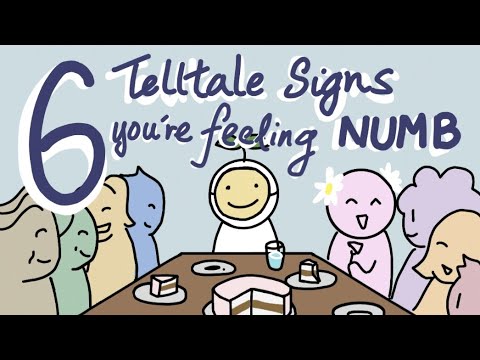
You ever feel like you’re just… there? Like your brain is on pause, and everything around you seems a bit fuzzy? Yeah, I get that.
Sometimes life throws so much at us that it’s hard to keep up. Stress piles on, and suddenly your mind feels like a cluttered attic—full of stuff but totally unorganized.
It’s overwhelming, right? You want clarity, focus, but it feels like you’re lost in a mental fog. But here’s the deal: it doesn’t have to stay that way.
We all have those days or weeks where everything feels numb. The good news? There are ways to break free from that haze and find your spark again.
So let’s chat about how you can kick that mind numbness to the curb and step back into clarity!
Effective Strategies to Overcome Mind Numbness and Reclaim Mental Clarity
Mind numbness can feel like you’re stuck in a fog, right? It’s when your brain just struggles to function like it normally would, making it hard to think clearly or focus on anything. You know those days when you sit down to do something important, but your mind feels like it’s on vacation? Yeah, that kind of thing. So let’s talk about some effective strategies to help you kick that mind numbness to the curb and reclaim that mental clarity.
Practice Mindfulness
One powerful way to get out of that fog is practicing mindfulness. Basically, it means being present and fully engaged in the moment. Try simple exercises like focusing on your breath for a few minutes. You could just sit quietly and notice how each breath feels—really pay attention. This can help center you and bring some clarity back into your mind.
Stay Active
Seriously, moving your body can do wonders! Exercise releases those feel-good chemicals called endorphins, which can boost your mood and energy levels. Even taking a brisk walk around the block can really make a difference. You’ll come back feeling more awake and ready to tackle whatever’s been weighing you down.
Limit Distractions
In our always-connected world, distractions are everywhere! Try unplugging from social media or turning off notifications for a bit. Too much screen time can overload your brain; when you limit distractions, you’ll find it easier to focus on the task at hand. It’s amazing how much clearer things feel once that noise is turned down.
Get Enough Sleep
Sleep isn’t just about resting; it’s when your brain processes all sorts of information. If you’re not getting enough quality sleep, guess what? Your brain gets fuzzy! Aim for 7-9 hours each night if you can. Yeah, life gets busy, but making sleep a priority will help clear out that mental clutter over time.
Nourish Your Brain
What you eat impacts how well your brain works! Foods rich in omega-3 fatty acids—like salmon or walnuts—can help improve cognitive function. Keep an eye on sugar intake too; too much junk food can leave you feeling sluggish mentally and physically.
Talk It Out
Sometimes just expressing what you’re feeling helps clear out the cobwebs! Chatting with a friend or family member about what you’re going through might lighten that mental load immensely. Or consider journaling if talking feels too daunting—that way, you get those thoughts outta your head and onto paper!
Seek Professional Help
If mind numbness sticks around longer than you’d like or becomes overwhelming, don’t hesitate to reach out for professional support. A therapist could give guidance tailored specifically to what you’re dealing with—like different coping strategies or even talking through deeper issues contributing to this foggy feeling.
Finding ways to deal with mind numbness takes some trial and error—you know yourself best! Pick one or two strategies that resonate with you and give them a shot regularly. Slowly but surely, little by little, you’ll be able to clear away that mental haze and regain clarity in your life again!
Effective Strategies to Overcome Brain Numbness and Reignite Mental Clarity
When you feel that brain numbness creeping in, it’s frustrating, right? You might find yourself staring blankly at a screen or struggling to remember what you just read. It’s like your mind has hit a wall. Don’t sweat it, though—there are ways to break through this fog and get back to feeling sharp.
First things first: recognize the signs. You know when you’re zoning out? That’s a signal to pay attention. Maybe your thoughts feel sluggish or you’re having trouble focusing. A good tactic here is to take a quick inventory of how you’re feeling. This self-awareness can help you pinpoint when you need to shake things up.
Next up: take regular breaks. Seriously, your brain can only handle so much at once. When was the last time you stepped away from your desk or took a walk? Breaks can do wonders—both for your productivity and mental clarity. Just stepping outside for a few minutes can refresh your mind.
Another effective strategy is physical activity. Even light exercise releases those feel-good chemicals in your brain called endorphins. Go for a jog, do some yoga, or just dance around a bit! It’s amazing how moving your body can wake up your mind.
Hydration is key. Ever notice how dehydration makes everything feel harder? Drink water throughout the day; it sounds simple but trust me—it makes a big difference in maintaining mental clarity. Sometimes sipping on that refreshing drink is all you need to get back on track.
Consider mindfulness exercises. Yeah, I know «mindfulness» sounds kind of cliché nowadays, but hear me out—it really works! Practicing deep breathing or meditation helps calm the chaos swirling in your head. There are apps out there that offer guided sessions if you want some extra help getting started.
Simplify tasks. If you’ve got too many things shouting for attention, prioritize what really matters. Break big projects into smaller steps; tackle them one at a time instead of trying to juggle everything at once. This can reduce overwhelm and bring clarity back into focus.
And don’t forget about sufficient sleep. It’s like hitting the reset button for your brain! Poor sleep leads directly to that foggy feeling during the day. Aim for 7-9 hours of quality rest—your brain will thank you!
Lastly, connect with others. Sometimes chatting with friends or family can spark new ideas and perspectives that help clear out the clutter in your mind. Even just talking about what you’re feeling might give you clarity all on its own.
So look, brain numbness happens to everyone from time to time; it’s completely normal! But now you’ve got some strategies in your back pocket to tackle it head-on and reignite that mental clarity you crave.
Understanding Emotional Blunting: Causes, Symptoms, and Solutions
Emotional blunting can feel like living in a fog. You know the feeling, right? It’s that sense of being disconnected from your emotions. Joy, sadness, excitement—everything seems dulled down. Let’s break it down a bit.
What Causes Emotional Blunting?
There are several reasons you might experience this numbing sensation. Sometimes it’s tied to mental health conditions like depression or anxiety. Other times stress or trauma can play a role.
Here are some common causes:
Imagine someone who just got out of a tough relationship. They once felt excited about life but now find it hard even to smile. That’s emotional blunting creeping in!
Symptoms of Emotional Blunting
So how do you spot this? There are some tell-tale signs:
You ever had one of those days when everything feels muted? Like when your favorite song plays, but instead of singing along, you just sit there? That’s what emotional blunting can feel like.
Solutions for Reconnecting with Your Emotions
Now, let’s talk solutions because feeling better is totally possible!
Here are some approaches to consider:
Let’s say you’re at therapy discussing how numb you’ve been feeling. Your therapist might guide you through exercises that help tap into those emotions again—a bit like shaking off the dust from an old book.
Emotional blunting isn’t permanent, even if it feels that way sometimes. By recognizing the signs and working towards solutions, you can move toward clearer mental ground. It takes time and effort but reconnecting with yourself is more than worth it! Remember, it’s okay to ask for help; you’re not alone on this journey!
You know that feeling when your brain just feels like it’s stuck in molasses? Like, you’re trying to think, but everything’s fuzzy and unclear? That mind-numbness can be so frustrating. I’ve been there, and it can feel like you’re dragging around a weight that just won’t lift.
It’s odd how life sometimes throws these thick blankets over our thought processes. Maybe it’s stress piling up from work or family issues, or maybe it’s just the endless barrage of information we deal with daily. I remember this one time when I was juggling a million things—work deadlines, personal drama—you name it. My brain felt like it was running on empty. I’d sit down to write or think about what I wanted to do next, and all I got was…nothing. Just a blank space in my head.
Finding clarity is like peeling back layers of an onion. You might shed a tear or two along the way, but eventually, you reach something real and fresh. So how do you get there? For me, it was all about emptying my mind first. Some days I would just take a walk without any music or distractions—just the sounds of nature or city life grounding me back to reality.
Another thing that helped was really tuning into what my body needed. Sometimes we’re so busy that we forget basic stuff—like hydration or even sleep! You’d be surprised what some good rest can do for your mental fog. And honestly? Giving myself permission to be okay with not being productive all the time really changed things for me too.
Engaging in mindfulness practices also played a huge role in cutting through that numbness. It doesn’t have to be anything fancy—just sitting quietly and focusing on my breath for even five minutes can help clear out the cobwebs in my head.
So yeah, overcoming mind numbness might not happen overnight, but you can definitely find your way back to clarity bit by bit. It’s more about checking in with yourself regularly rather than expecting everything to magically snap back into place immediately. Just remember—it’s okay not to have all the answers right now; clarity will come when you’re ready for it.