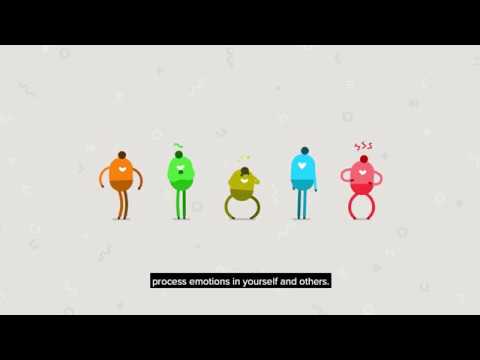
You ever wonder why some people seem to read the room so well? Like, they just get it?
That’s emotional intelligence for you. It’s not just about IQ or being book-smart. It’s all about how you handle yourself and connect with others.
And guess what? You can actually take a test to see where you stand.
So, if you’re curious about your emotional smarts, let’s chat about the Mind Tools Test. It might just give you some cool insights into yourself!
Unlock Your Potential: Free Online Emotional Intelligence Test with Mind Tools
Hey there! Let’s talk about emotional intelligence, often called EI or EQ. It’s basically your ability to understand, manage, and express your own emotions, as well as to recognize and influence the emotions of others. Think of it like a superpower for dealing with feelings—yours and theirs.
One way you can get a peek into your emotional intelligence is through online tests. For instance, the **Mind Tools Emotional Intelligence Test** is one of those free resources that can help you evaluate where you stand. It’s pretty straightforward and doesn’t take much time at all. You just answer some questions about how you handle emotions in different situations.
So what’s the deal with emotional intelligence? Well, here are some key points to consider:
- Self-awareness: This is knowing what you’re feeling and why. If you often feel anxious but can’t pinpoint why that happens, this test might shed some light.
- Self-regulation: It’s all about controlling or redirecting your disruptive emotions. For example, when you’re ticked off at work but still manage to keep it cool in front of your boss—that’s self-regulation!
- Motivation: Emotionally intelligent folks are usually driven by intrinsic goals rather than just rewards or external accolades.
- Empathy: This is understanding other people’s feelings. If you’re good at picking up on when someone’s having a bad day just by their body language or tone—that’s empathy.
- Social skills: These help with managing relationships and building networks. Strong social skills mean you’re good at resolving conflicts and inspiring others.
Taking the Mind Tools test can give you insights into these areas by prompting you to think critically about how you react in different situations. And hey, if you find out you’re not great at some parts? No worries! That’s just information for yourself so you can work on it.
Now, let me share something real quick—I’ve got a friend who took an emotional intelligence test a while back after struggling with communication in her job. She realized she wasn’t as aware of her emotions as she thought, especially under stress. This was actually a huge eye-opener! After taking it seriously, she started focusing on being more mindful of her feelings during work meetings—which really helped improve not only her performance but also her relationships with coworkers.
In short, if you’ve ever felt overwhelmed by emotions—yours or someone else’s—the Mind Tools Emotional Intelligence Test could be worth checking out. Just remember—it’s not about scoring high or low; it’s really more about learning something valuable about yourself! So take that step if you’re curious about your own emotional landscape; who knows what kind of growth might come from it?
Unlock Your Emotional Intelligence: Take the Mind Tools Online Test Today
Emotional intelligence (EI) is a big deal when it comes to understanding yourself and connecting with others. It’s all about how you manage your emotions, recognize feelings in those around you, and handle relationships. Ever been in a situation where you could feel the tension in the room, but couldn’t put your finger on why? That’s EI at play.
Now, if you’re curious about where you stand on this whole emotional intelligence spectrum, checking out something like the Mind Tools online test could be a useful move. Here’s why it might matter:
1. Self-Awareness: This part of EI means recognizing your own emotions and how they affect your thoughts and behavior. For example, if you’re feeling anxious before a big presentation, that awareness can help you take steps to calm yourself down.
2. Self-Regulation: This is about managing those emotions effectively. You know that moment when someone cuts you off in traffic? Instead of losing it, maybe you take a deep breath— that’s self-regulation!
3. Motivation: Emotionally intelligent people often have strong motivation to achieve their goals for reasons beyond money or status. Think about how passionate someone might feel about their art or community service—that drive often comes from emotional insight.
4. Empathy: This is the ability to understand other people’s feelings. When your friend is upset but not saying much, being able to pick up on that vibe and offer support shows high empathy.
5. Social Skills: These involve managing relationships and building networks effectively. You know those people who just seem to get along with everyone? That’s their social skill at work!
Taking an online test like the one from Mind Tools can give some insight into these areas of emotional intelligence. It typically involves answering questions that ask how you would react in various situations—like responding when a colleague shares bad news or dealing with conflict.
But remember, while these tests can provide valuable insights, they’re not the end-all-be-all answers about who you are emotionally. They’re more like a snapshot of where things stand at that moment.
So hey, if you’re thinking of boosting your emotional smarts—or just curious—taking the test can be a step toward better understanding yourself and improving your interactions with others! Just make sure to keep an open mind about what you learn; growth is part of the journey!
Unlock Your Emotional Intelligence: Free Mind Tools Test for Self-Assessment
So, emotional intelligence, right? It’s all about understanding your own feelings and those of others. And hey, you’ve probably heard the term thrown around a lot these days. But it’s more than just buzzwords. Think about it like this: emotional intelligence is kind of your inner compass for navigating relationships and stress.
When we talk about evaluating your emotional intelligence, a self-assessment test can help you get a clearer picture of where you stand. The Mind Tools Test is one option that many people use to check in on their emotional skills. This test focuses on key areas, including
,
,
,
, and
. Each of these components has its own role in how we interact with the world.
Imagine walking into a tough situation at work—maybe there’s tension in the air because of a deadline. If you’re self-aware, you can recognize that tightness in your chest or that sense of annoyance bubbling up. You know what’s happening inside you, and that helps prevent an outburst or saying something you might regret later.
Then there’s self-regulation. This is where you take that awareness and manage it instead of letting it control you. Like when someone critiques your project; instead of getting defensive or shutting down, you pause and take a breath first—pretty cool, huh?
Now let’s not forget motivation! Emotionally intelligent people tend to be driven by their values rather than just external rewards. It’s like the difference between doing a job just for the paycheck versus really caring about what you’re doing.
Empathy is such an important piece too! When someone shares their struggles with you, being empathetic means recognizing their feelings without jumping to conclusions or trying to fix everything for them right away. It’s more about being present and understanding where they’re coming from—big game changer in communication!
And finally, what wraps this all together? Social skills! Having good social skills allows you to connect with others effectively—whether it’s resolving conflicts or building strong teams at work.
When using tools like the Mind Tools Test for self-assessment, remember that it isn’t some final verdict on who you are; rather it gives insights into areas where you might want to grow or pay more attention. And look—you don’t need to ace every component on the first try. Being emotionally intelligent is an ongoing journey.
So yeah, taking time to understand yourself through these tests can really help sharpen those skills over time… making life just a little easier as you navigate all its ups and downs.
So, you know how sometimes you just feel a little out of sync with yourself or the people around you? I mean, there have been days when I’ve found myself snapping at someone over something trivial, and then later realized it was just me being overwhelmed. That’s pretty much where emotional intelligence comes into play.
Emotional intelligence, or EI as the cool kids say, is like that inner compass for understanding your feelings and the feelings of others. It’s not just about knowing what you feel but also figuring out why you feel that way and how those feelings affect your actions and relationships. It’s like having a superpower for navigating life’s emotional rollercoaster!
Now, there are these tools—like Mind Tools—that offer tests to help gauge your emotional intelligence. Going through one of those can be eye-opening. You sit down, click through some questions, and suddenly you’re peeling back layers of yourself that maybe you didn’t even realize were there.
I remember taking one of these tests a while ago. I was kind of nervous because I wasn’t sure what it would reveal. After answering some questions about how I handle stress, conflict, and empathy—things we all deal with—I got my results. Honestly? It felt like looking in a mirror that showed not just my face but my heart too.
The test pointed out strengths and areas for improvement. For instance, I saw that while I’m pretty good at connecting with others emotionally, sometimes I really struggle with managing my own stress levels effectively. Like when work gets crazy and all those deadlines start piling up—it can get messy!
Realizing that helped me figure out some small changes to make. Maybe take breaks more often or talk things out instead of bottling them up. It’s amazing how knowing this about yourself can change the game.
So if you’re thinking about evaluating your own emotional intelligence? Definitely give it a go! You might find some surprises waiting for you—maybe some areas to celebrate or even parts where you know you’ve got work to do—and that’s totally okay! Understanding ourselves better is such an important step towards becoming healthier not only in our lives but also in our relationships with others too!