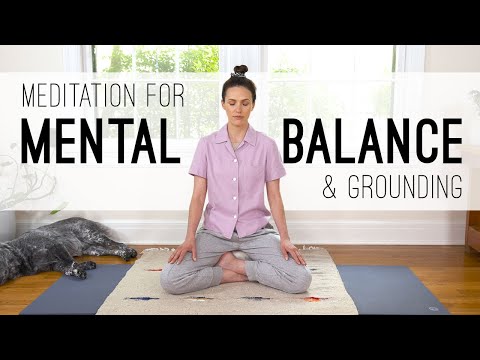
Hey, you! Let’s chat a bit about mindfulness and grounding techniques.
You know that feeling when your mind’s racing a mile a minute? It can be super overwhelming. Like, you’re caught in this whirlwind of thoughts and emotions.
Well, that’s where mindfulness comes in. It’s all about being present, just as you are—no judgment. And grounding techniques? They help pull you back to reality when things get too hectic.
Imagine taking a breath and feeling the ground beneath your feet—a total game changer! Seriously, these tools might just be what you need to find some calm in the chaos of life.
So, let’s explore how these practices can seriously boost your mental well-being. You might just find some peace in the everyday madness!
Understanding Grounding Techniques: Enhance Your Mental Health and Well-Being
Grounding techniques are like your mental safety net. They help you feel more connected to the present moment, especially when you’re feeling anxious or overwhelmed. Basically, it’s all about bringing your focus back to reality—even if just for a little while.
What are Grounding Techniques?
They’re simple strategies you can use to pull yourself out of a spiral of anxiety or distress. Think of them as little tools in your emotional toolbox. You might use these during intense moments or even as daily practices to improve your overall mental health.
One popular approach is the 5-4-3-2-1 technique. Here’s how it goes:
- 5 things you can see: Look around and notice what’s in your environment. Maybe it’s a green plant or a picture on the wall.
- 4 things you can touch: Focus on textures that feel comforting—maybe the fabric of your clothes or the coolness of a metal object.
- 3 things you can hear: Listen closely! It could be birds chirping outside or cars passing by.
- 2 things you can smell: This might be tricky if you’re not in a fragrant space, but notice any scents around you—or even bring something like an essential oil if that helps.
- 1 thing you can taste: Pop something in your mouth, like gum or candy, and really focus on that flavor.
It’s surprising how much this technique allows people to feel more anchored in their surroundings. It makes those swirling feelings slow down a bit.
Why are they effective?
Well, grounding techniques work because they redirect your attention from those overwhelming feelings to something tangible—like what’s right in front of you. In moments when anxiety feels like it’s closing in, shifting gears mentally can provide relief.
Another neat technique is deep breathing. This one’s super straightforward: take a long breath in through your nose, hold for just a bit, and then exhale slowly through your mouth. Try counting to four for each inhale and exhale; it creates a rhythm and brings oxygen into play.
The Benefits
Engaging with grounding techniques regularly has some fantastic benefits:
- You’ll likely experience reduced anxiety levels.
- Your emotional regulation improves over time.
- You develop resilience against stressors in daily life.
Here’s an example: Picture someone getting anxious before giving a big speech at work. They could use grounding techniques beforehand—maybe do some deep breathing and the 5-4-3-2-1 exercise—to calm those nerves before stepping up to speak.
A Note on Mindfulness
Grounding often overlaps with mindfulness practices because both urge us to be present without judgment. Mindfulness encourages awareness of thoughts and feelings without letting them overwhelm us. Grounding does that too! It just has its specific tricks for doing so.
The beauty of these techniques is that they’re totally customizable! Some folks might find comfort in nature sounds while others prefer silence—what works best is unique to everyone.
So next time life gets hectic, remember that grounding techniques could give you that needed pause—a little oasis amidst chaos—and trust me, being present does wonders for mental well-being.
Mastering the Rule of 5 Grounding Techniques: A Simple Guide to Enhance Your Mental Well-Being
Grounding techniques are fantastic tools for getting your head back in the game when life feels overwhelming. They help anchor you to the present moment, making it easier to cope with anxiety, stress, or even those moments when you just feel a bit lost. One of the popular methods is called the **Rule of 5**, which offers a straightforward way to check in with yourself and take a breather. Let’s break it down.
First off, the Rule of 5 suggests looking around and identifying:
- Five things you can see: This can be anything from the color of your couch to that cool lamp in the corner.
- Four things you can touch: Maybe it’s your hair, the fabric of your shirt, or even the ground beneath your feet.
- Three things you can hear: Listen closely! Is it birds chirping outside? Traffic? The hum of your fridge?
- Two things you can smell: This might be a bit tricky if you’re not near anything strong. If not, think about scents that evoke good feelings—like fresh coffee or grandma’s cookies baking.
- One thing you can taste: Take a sip of water or just notice the aftertaste of whatever you’ve eaten recently.
Doing this little exercise pulls your focus back to reality. You know how sometimes thoughts spiral outta control? Well, grounding helps snap that cycle.
Here’s an emotional nugget: think about a time when anxiety hit hard—maybe before a big presentation or an important call. Your heart races, mind whirls like crazy. This is where grounding techniques come into play. By recognizing what’s around you and engaging those senses, you regain control over that anxious buzz.
So yeah, practicing this technique regularly strengthens your ability to stay calm during stressful moments. It’s like training for your mind! Eventually, reaching for these grounding tools becomes second nature.
Plus, it’s super adaptable. You don’t need fancy equipment or long sessions; just take a minute wherever you are—waiting in line at coffee shop? Perfect time! Everything you’ve seen and felt connects with who you are right now.
Give the Rule of 5 a shot next time things get tough; it might just become one of your go-to strategies for mental clarity and peace!
Unlock Inner Peace: Essential Mindfulness Grounding Techniques PDF for Stress Relief
It’s tough to find a moment of peace with everything going on around us, huh? Stress can really pile up, and finding ways to manage it is important. That’s where mindfulness and grounding techniques come in. They’re like little tools you can use every day to help chill out your brain and get back in touch with yourself.
What is Mindfulness?
Mindfulness is basically being present in the moment. It means paying attention to what you’re doing right now instead of worrying about the future or regretting the past. Imagine sitting outside, feeling the sun on your skin and hearing birds chirp. You’re not thinking about that deadline at work. You’re just there.
Grounding Techniques
These techniques help pull your focus back to the present, especially when stress starts creeping in. Here are some cool strategies:
- 5-4-3-2-1 Technique: This one’s super popular! You look for 5 things you can see, 4 things you can touch, 3 things you can hear, 2 things you can smell (or one if that’s easier), and 1 thing you can taste. It helps bring you back to reality.
- Breathing Exercises: Simple but oh so effective! Just take a deep breath in through your nose for four counts, hold it for four counts, then let it out through your mouth for six or eight counts. Repeat that a few times and feel the tension start to fade.
- Body Scan: Lie down or sit comfortably and mentally check in with each part of your body from head to toe. Notice any tension and imagine breathing into those spots. You might be surprised how tight we carry our stress!
Think about a time when everything felt overwhelming—maybe a big project at work or personal challenges? Well, using these grounding techniques during those moments could have made a real difference.
The Benefits
Practicing these techniques regularly can lead to some cool benefits: reduced anxiety, improved mood, clearer thinking—you name it! It’s like giving your mind a mini-vacation during stressful times.
When life gets hectic, try incorporating mindfulness into your daily routine. Maybe meditating for just five minutes every morning or practicing those breathing exercises when you need a quick break at work could go a long way.
So don’t underestimate the power of these simple practices! They’re not just “fluffy” ideas; they really help foster mental well-being and bring back that inner peace we all crave—making life feel more manageable overall.
You know, there’s something really calming about the idea of mindfulness and grounding techniques. It’s like when you’re feeling all over the place, these practices can pull you right back to center. Picture this: you’re sitting at your desk, and suddenly your mind’s racing. You’ve got a million things on your to-do list, and it feels overwhelming. Been there? Totally relatable.
But then, maybe you take a moment to breathe deeply. Just that simple act can feel like hitting the reset button. When you focus on your breath or even just what’s around you—like the feel of your chair or the sound of birds outside—you start to notice things more vividly. It’s amazing how often we ignore what’s happening in the moment because we’re caught up in our thoughts.
A friend of mine used to struggle with anxiety, and she swore by grounding techniques. She would carry around little stones in her pocket. Whenever she felt her anxiety creeping in, she’d pull one out and really focus on how it felt—the texture, the weight, everything about it. Just that little ritual helped her reconnect with reality and calm those racing thoughts.
Mindfulness can be practiced anywhere—it doesn’t have to be complicated at all! Sometimes it’s just about paying attention to what you can see, hear, touch, or taste right now. It’s like giving yourself permission to pause for a second instead of getting swept away by whatever storm is brewing inside your head.
And let’s be honest: life is chaotic enough as it is; adding stress doesn’t help anyone. So when you’re feeling lost or overwhelmed? It’s worth trying these techniques out! They might not solve everything overnight but hey—taking tiny steps toward mental well-being is always a win in my book. And who knows? You might just find a new favorite way to keep your head clear and grounded among life’s ups and downs.