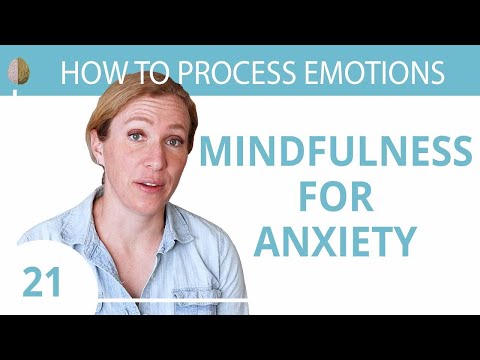
You know those days when everything feels a bit heavy? Like, you just can’t shake off that cloud hanging over you? Yeah, we’ve all been there. Anxiety and depression can be seriously draining.
But here’s the thing: there are ways to lighten that load. Mindfulness techniques—yeah, it sounds kinda fancy, but stick with me—can really help. They’re like little tools in your back pocket for when life gets overwhelming.
Just imagine taking a deep breath and letting go of that tension. Feels good, right? That’s what mindfulness is all about. It’s not just for yogis or Zen masters; it’s for regular folks like you and me.
So grab a comfy seat and let’s chat about some simple mindfulness practices that can bring a little peace into your day-to-day life. Trust me, it might just change how you deal with those tough moments!
10 Free Mindfulness Techniques to Alleviate Anxiety and Depression
Anxiety and depression can feel like a heavy weight, right? Mindfulness techniques can help lighten that load a bit. They draw you into the present moment, making it easier to deal with those racing thoughts. Here’s a rundown of 10 free ways you can practice mindfulness to tackle anxiety and depression.
1. Breathing Exercises
Start by taking a minute to focus on your breath. Inhale deeply through your nose, hold it for a few seconds, and then exhale slowly through your mouth. If your mind starts wandering, gently bring it back to your breath. This simple act can calm your nervous system.
2. Body Scan
Lie down or sit comfortably and close your eyes. Now, pay attention to different parts of your body, starting from your toes up to your head. Notice any tension or discomfort without trying to change anything—just acknowledge it.
3. Mindful Walking
Go for a walk but keep it slow and deliberate. As you walk, focus on each step—the feeling of your feet touching the ground, the rhythm of your breath, or even the sounds around you. It’s amazing how grounding this can be!
4. Gratitude Journaling
Take a few minutes each day to jot down three things you’re thankful for. They don’t have to be big; sometimes the smallest things matter most—a warm cup of coffee or the sun shining through the window.
5. Five Senses Exercise
Engage all five senses by stopping for a moment and noticing: what do you see? What do you hear? Smell? Touch? Taste? This practice can really pull you into the present moment and away from negative thoughts.
6. Guided Imagery
Picture yourself in a peaceful place—like lying on a beach or sitting in a quiet forest—whatever helps calm you down! Spend some time imagining this place in detail: what does it smell like? How does it feel?
7. Mindful Eating
Try eating something slowly without distractions—no phone or TV! Focus on each bite: its texture, taste, smell, and how it feels as you chew and swallow.
8. Progressive Muscle Relaxation
Tense each muscle group in your body for about five seconds then release them slowly starting from your toes up to your head (or vice versa). Notice how good it feels to let go of that tension.
9. Nature Connection
If possible, spend time outside—you know? Just being in nature can work wonders! Listen to birds chirping or feel the wind against your skin; it’s grounding stuff that helps boost mood.
10. Daily Mindfulness Moments
Set aside just five minutes during your day where you’re fully present—maybe while brushing teeth or washing dishes—and focus completely on what you’re doing without letting other thoughts intrude.
These mindfulness techniques are totally free and don’t take much time! They won’t cure everything overnight but incorporating even one into your routine could make things feel more manageable over time—you follow me? It’s all about finding what works best for you!
Free PDF Guide: Mindfulness Exercises to Alleviate Anxiety and Enhance Well-Being
Mindfulness is kind of like a superpower you can tap into when anxiety starts to creep in. It’s all about being present in the moment, focusing on your breath, and letting those racing thoughts take a backseat. This practice can be a real lifesaver if you’re feeling overwhelmed or anxious.
One common technique is **breathing exercises**. You’d be surprised how just being aware of your breath can shift your entire mood. Try this: sit comfortably, close your eyes, and take a deep breath in through your nose for a count of four. Hold it for a moment, then slowly release it through your mouth for six counts. Do this several times and notice how the tightness in your chest starts to ease.
Another cool method involves **body scans**. This one’s great for connecting with how you’re feeling physically. Basically, you lie down or sit comfortably and mentally scan your body from head to toe. Notice any areas that feel tense or achy, and just acknowledge them without judgment. It’s like giving yourself permission to relax.
You might also explore **mindful walking**. Ever thought about walking as a form of meditation? When you walk mindfully, pay attention to each step—the way your foot hits the ground and the rhythm of your movement. It can really bring you into the present moment and help shake off some nerves.
Don’t forget about **gratitude practices**, either! Taking time each day to think about what you’re thankful for can work wonders on your mindset. Maybe write them down in a journal or just reflect on them quietly before you sleep.
And hey, mindful eating is another fun way to boost well-being! Next time you eat something, really focus on each bite—the taste, texture, smell—like you’re experiencing it for the first time. You’ll find that food becomes more satisfying when you’re not rushing through it.
If you want something easy-peasy to follow along with—there are plenty of free PDF guides out there that lay out mindfulness exercises designed specifically for anxiety relief! These often include various activities like those mentioned above plus other techniques tailored to help manage anxiety effectively.
Engaging regularly with these mindfulness exercises isn’t just about alleviating anxiety; it’s also about enhancing well-being overall. Think of it like building a muscle; the more you practice being mindful, the easier it gets!
Incorporating these small changes can make such a big difference in how you handle stressors in life. Start small: pick one technique today and see how it feels!
Transform Your Mental Health: Exploring Mindfulness-Based Interventions for Anxiety and Depression
Mindfulness-based interventions can totally change the game when it comes to managing anxiety and depression. You know how life sometimes feels like it’s just spinning out of control? Mindfulness is all about grounding yourself in the moment, taking a breath, and really paying attention to what’s happening around you and inside you.
What is Mindfulness? It’s pretty simple, really. Think of mindfulness as a way to notice your thoughts and feelings without judging them. You’re not trying to change anything; just acknowledging what’s there. It’s like standing on the shore and watching the waves come in—some are big, some are small, but you don’t have to jump in every time.
How Does Mindfulness Help with Anxiety? When you’re anxious, your mind often races with “what ifs.” Practicing mindfulness helps slow that down. You might start by focusing on your breath—taking deep inhales and long exhales. This can help shift your focus from racing thoughts to just being present. Imagine sitting quietly for five minutes, noticing how your body feels or what sounds you hear around you. It can be surprisingly calming.
Anecdote Alert! Just the other day, a friend shared that they’d been feeling super anxious about work deadlines. They decided to try a short mindfulness meditation before diving into their tasks. After just ten minutes of breathing and refocusing, they found themselves less overwhelmed and more productive! Sometimes all we need is a little pause.
Mindfulness Techniques for Depression work similarly by helping you get out of that heavy fog. When you’re feeling low, it can be easy to get lost in negative thoughts or feelings of hopelessness. Mindfulness encourages you to notice those feelings without getting sucked into them. You might tell yourself something like “I’m feeling sad right now,” rather than “I am sad.” That little shift can make a big difference.
Some effective
These practices don’t just make symptoms feel more manageable—they also foster resilience over time. You start developing tools that help you navigate stressors better.
If you’re thinking this sounds too good to be true, well, research backs it up! Studies show mindfulness-based interventions can significantly reduce symptoms of anxiety and depression across various populations.
In any case, incorporating mindfulness into your life doesn’t have to be complicated or time-consuming. Just start small! Try setting aside ten minutes a day or even less if that feels overwhelming at first.
So remember: taking care of your mental health isn’t about being perfect—it’s about finding what works for *you*. Mindfulness could be that helpful tip for finding calm in the chaos of life! It’s all about those little moments where you choose presence over panic.
You know, anxiety and depression can be total buzzkills. It’s like carrying a heavy backpack filled with worries and sadness everywhere you go. I remember sitting in my room one afternoon, feeling overwhelmed by this dark cloud. My mind was racing, and all I wanted was to find some peace amidst the chaos.
That’s when a friend told me about mindfulness techniques. At first, I was like, “What even is that?” But once I gave it a shot, things slowly started to shift for me. Mindfulness is basically about being present in the moment—like paying attention to your breath or noticing the little things around you instead of getting lost in your thoughts.
Breathing exercises were one of the first techniques I tried. It sounds simple, right? But focusing on my breath really helped calm my mind. Just inhaling deeply and then letting it go felt like pushing the reset button every time anxiety creeped in.
Then there’s body scanning—a technique where you mentally check in with your body from head to toe. I used to hold so much tension without realizing it! Noticing where I held stress made me feel more connected to myself and oddly liberated.
Journaling also became a game changer for me. Writing down my feelings not only cleared some mental clutter but also helped me understand patterns in my mood swings better. Sometimes just getting those tangled thoughts out onto paper feels like releasing a little bit of that weight off my shoulders.
And let’s not forget about mindfulness walks! Seriously, stepping outside and focusing on nature—even observing the movement of leaves in the wind—reminded me that life continues regardless of what’s happening inside my head.
But here’s the thing: mindfulness isn’t some magical cure-all; it won’t fix everything overnight. Sometimes it felt like two steps forward and one step back. Still, each small moment of presence chipped away at that heavy feeling over time.
So if you’re struggling with anxiety or depression, maybe give some mindfulness techniques a try? They might just offer you a bit of relief or even help you discover new ways to cope with feelings that seem overwhelming at times. You deserve it!