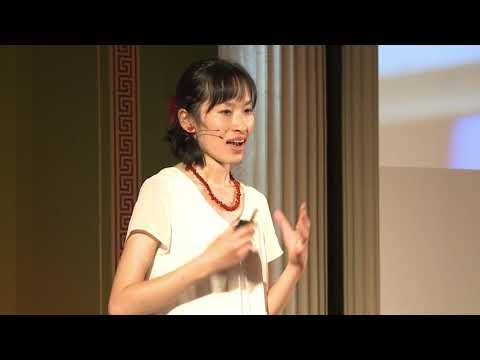
So, let’s be real for a second. Performance anxiety? Yeah, it totally sucks. Whether it’s that big presentation at work or speaking in front of a crowd, the butterflies in your stomach can feel like they’re throwin’ a party up there.
I remember the first time I had to give a speech in front of my class. My hands were sweaty, my heart was racing, and honestly? I almost bolted out the door!
But you know what? There are ways to chill out and get through it. Mindfulness techniques are like little life hacks for your brain. They help ground you when your nerves start to take over.
Let’s chat about some practical ways to shake off that anxiety and own the moment. Sound good?
Mastering Performance Anxiety: 7 Mindfulness Techniques to Boost Confidence and Focus
Performance anxiety can hit you like a ton of bricks, right? You’re about to step on stage, give a big presentation, or even go for that first date, and suddenly you feel this wave of panic wash over you. It’s like your brain forgets everything you know. That’s where mindfulness techniques come in handy—they help bring you back to the moment instead of letting your mind spiral out of control.
Here are some **mindfulness techniques** that can help you tackle performance anxiety head-on:
Using these techniques isn’t about being perfect; it’s about **boosting confidence** and finding ways to manage those anxious feelings when they pop up unexpectedly. You might not eliminate performance anxiety entirely (and honestly, that’s okay), but with regular practice, these mindfulness tricks can seriously help keep those nerves at bay.
So next time you’re gearing up for something nerve-wracking, remember these mindfulness techniques and give them a shot! You may just find yourself feeling more centered and ready to shine than ever before!
Unlocking Mindfulness: A Comprehensive Guide to Understanding Its Benefits and Practices
Mindfulness, huh? It’s one of those buzzwords floating around that seems to pop up everywhere these days. But what does it really mean? Well, at its core, mindfulness is all about being present in the moment. You’re focusing your attention on what’s happening right here, right now, without judgment. Seriously, it’s like putting a pause button on all that noise in your head.
Now, when it comes to performance anxiety—like when you’re about to give a speech or hit the stage for a big game—mindfulness can be a total game-changer. Think of it like this: instead of worrying about what could go wrong or how others might perceive you, mindfulness helps you ground yourself in the moment. It’s kind of like taking a deep breath and realizing you’ve got this.
So let’s break down some **benefits** of mindfulness:
- Reduces Stress: Getting wrapped up in anxiety can make stress feel ten times worse. Mindfulness helps calm your mind and reduces those racing thoughts.
- Increases Focus: By concentrating on the present task, whether that’s a big presentation or an exam, you become way more effective.
- Improves Emotional Regulation: Mindfulness allows you to observe your feelings without getting swept away by them. You learn to notice anxiety without letting it control you.
- Builds Resilience: Practicing mindfulness makes you more adaptable and better at handling stressful situations. You bounce back quicker!
But how do we actually practice mindfulness? Here are some easy techniques to get started:
- Breathe Deeply: Just close your eyes and take some slow, deep breaths. It sounds simple but trust me—it works wonders in calming your nerves.
- Sensory Engagement: Focus on what you can see, hear, smell, touch—really engage with your surroundings. This pulls you into the moment.
- Body Scan: Lie down somewhere comfortable and mentally check in with each part of your body from head to toe. Feel any tension? Just notice it without judgment.
- Meditation: Create a routine where you spend even just five minutes focusing on your breath or repeating a calming phrase.
Let me share an example with you: imagine Sarah—she’s got this huge presentation coming up at work. Her stomach’s doing flips as she anticipates all those eyes staring at her. Instead of pacing back and forth over her notes for hours (which we’ve all done), she takes ten minutes to sit quietly and breathe.
She focuses solely on her breathing; each inhale brings calmness while each exhale releases tension. After just ten minutes? Her heart slows down; she feels grounded. When it’s time for her presentation? She steps up feeling way more equipped than before.
What I’m trying to say is that knowledge about mindfulness isn’t just alphabet soup—it’s something practical that can seriously impact how we handle performance anxiety and daily stressors alike!
Look, practicing mindfulness won’t magically erase anxiety overnight—none of us have time for that fairytale ending! But incorporating these techniques into your daily life can really help give you the tools needed when the pressure starts building up again.
In short? Mindfulness is super helpful for anyone looking to conquer their performance fears while leading a calmer life overall! So why not give it a whirl next time you’re feeling anxious? You never know how much calmer you’ll feel once you’re truly living in the moment!
10 Effective Mindfulness Exercises for Anxiety: Free PDF Guide
Feeling anxious about performance? It’s super common, and honestly, those jitters can hit anyone. Whether you’re giving a presentation, stepping on stage, or even just having a tough conversation at work, anxiety can sneak up on you. That’s where mindfulness techniques really shine. They help ground you in the moment and ease that whirlwind of nerves. Here are some exercises that can help.
- Breathing Exercises: Focus on your breath for a few minutes. Try counting each inhale and exhale. Just notice how it feels when the air fills your lungs. This helps switch off that fight-or-flight response.
- Body Scan: Lie down comfortably and pay attention to each part of your body, starting from your toes up to your head. Feel any tension and consciously relax those areas. It’s amazing what a little awareness can do!
- Grounding Techniques: When anxiety kicks in, look around you and name five things you see, four things you can touch, three sounds you can hear, two things you can smell, and one thing you can taste. It pulls your focus back to the present.
- Meditation: Just sitting quietly with your thoughts for a few minutes can work wonders. Focus on what passes through your mind without judging it—let thoughts come and go.
- Sensory Awareness: Use an object like a stone or piece of fabric to focus on during anxious moments. Notice its texture, temperature, weight—this keeps your mind anchored instead of spiraling.
- Mindful Walking: Go for a walk while paying attention to each step as if you’re experiencing it for the first time: the feeling of the ground underfoot or the rhythm of your breath.
- Acknowledge Your Feelings: Instead of pushing away anxious feelings, try acknowledging them: “I feel anxious right now.” This simple act makes it less scary!
- Create a Visualization: Picture yourself succeeding in whatever performance situation is stressing you out—dazzling the crowd or acing that conversation—with all the details included!
- Loving-Kindness Meditation: Send kind thoughts towards yourself and others by thinking phrases like “May I be happy” or “May I be healthy.” This not only calms but also builds compassion.
- Praise Yourself: After practicing mindfulness techniques or facing anxiety triggers, give yourself credit! Acknowledging any progress helps build confidence over time.
The thing is—these mindfulness exercises aren’t magic fixes but they’re tools that can help manage performance anxiety more effectively over time. You practice them regularly so they become second nature when those nerves hit hard! Remember that everyone experiences anxiety differently; take what resonates with you and leave the rest behind.
If you’re looking for an easy way to keep these exercises handy while you’re busy living life—maybe consider creating a simple PDF guide for yourself with these techniques written out! It could be like having a little mental health toolkit ready whenever those panicky feelings pop up.
Your journey with performance anxiety could really shift by incorporating some mindful practices into your routine; just take it step by step! Seriously, every little bit counts!
Performance anxiety can be a real beast, right? It’s that feeling when you’re about to give a speech or step onto a stage, and your brain just goes into freak-out mode. I remember this one time I had to present in front of my class. My hands were sweaty, my heart was pounding—seriously, it felt like it might leap right out of my chest! You can imagine how much fun that was.
So, here’s where mindfulness techniques come into play. Basically, mindfulness is all about being present and aware of your thoughts and feelings without judgment. Sounds simple enough, but it can work wonders when you’re battling those nerves. Let’s say you’re standing backstage, waiting for your turn. Instead of spiraling into “What if I mess up?” or “Everyone will laugh at me,” you could take a moment to focus on your breath. Inhale deeply… hold… and exhale slowly. Just doing that can help ground you in the moment.
Another technique is visualization. Picture yourself nailing that performance—a confident version of you just rocking it! This isn’t some magic trick, but giving your brain a positive image can shift your mindset from fear to focus.
And hey, don’t forget about body awareness! You could do simple stretches or even just shake out those jitters before stepping into the spotlight. Feel the tension melt away—like releasing a tight rubber band; it’s super satisfying!
Mindfulness isn’t a one-size-fits-all solution; it’s more like creating a little toolkit for yourself. And honestly? It takes practice. Some days are good; others not so much! But gradually incorporating these techniques can help ease that anxiety over time.
In the end, it’s all about finding what clicks for you and remembering that everyone feels nervous sometimes—it’s totally normal! You’ve got this!